The Danish Tea Trade: Copenhagen, British Smugglers and the 1807 Bombardment
Copenhagen grew rich shipping tea that smugglers sold in Britain. Then in 1807 Britain set the city on fire. The Danish tea trade and what to drink.
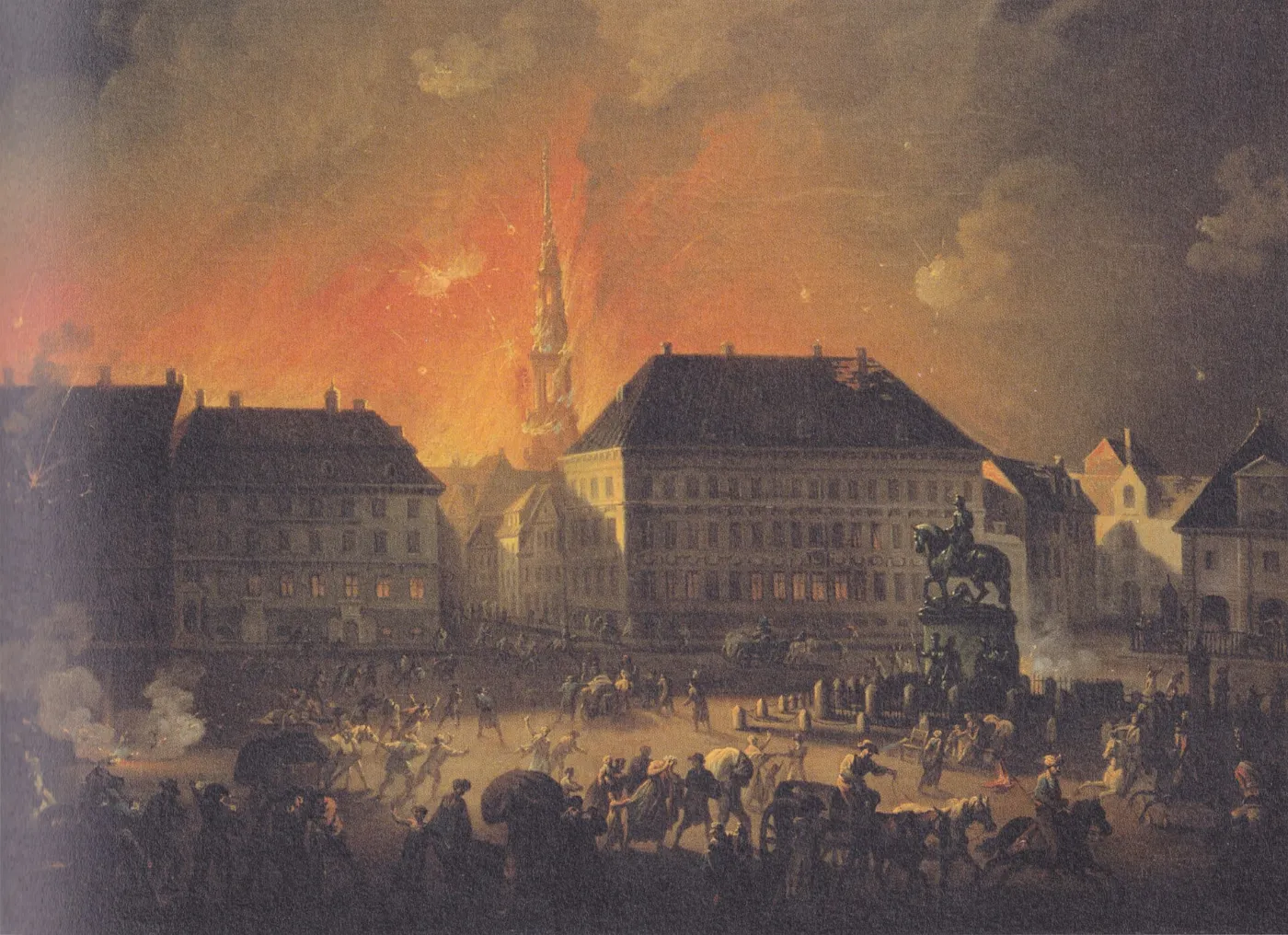
Denmark is a coffee country today. But in the 1700s, Copenhagen was one of Europe’s big tea ports. There is a twist, though. Most of that tea was never meant for the Danes. It went to Britain, and it went there illegally. Then, in 1807, Britain sailed to Copenhagen and set the city on fire. This is the story of the Danish tea trade, and of how a war ended it.
Some product links in this post go through my ShopMy shop and may earn me a small commission, at no extra cost to you.
Silver out, tea back
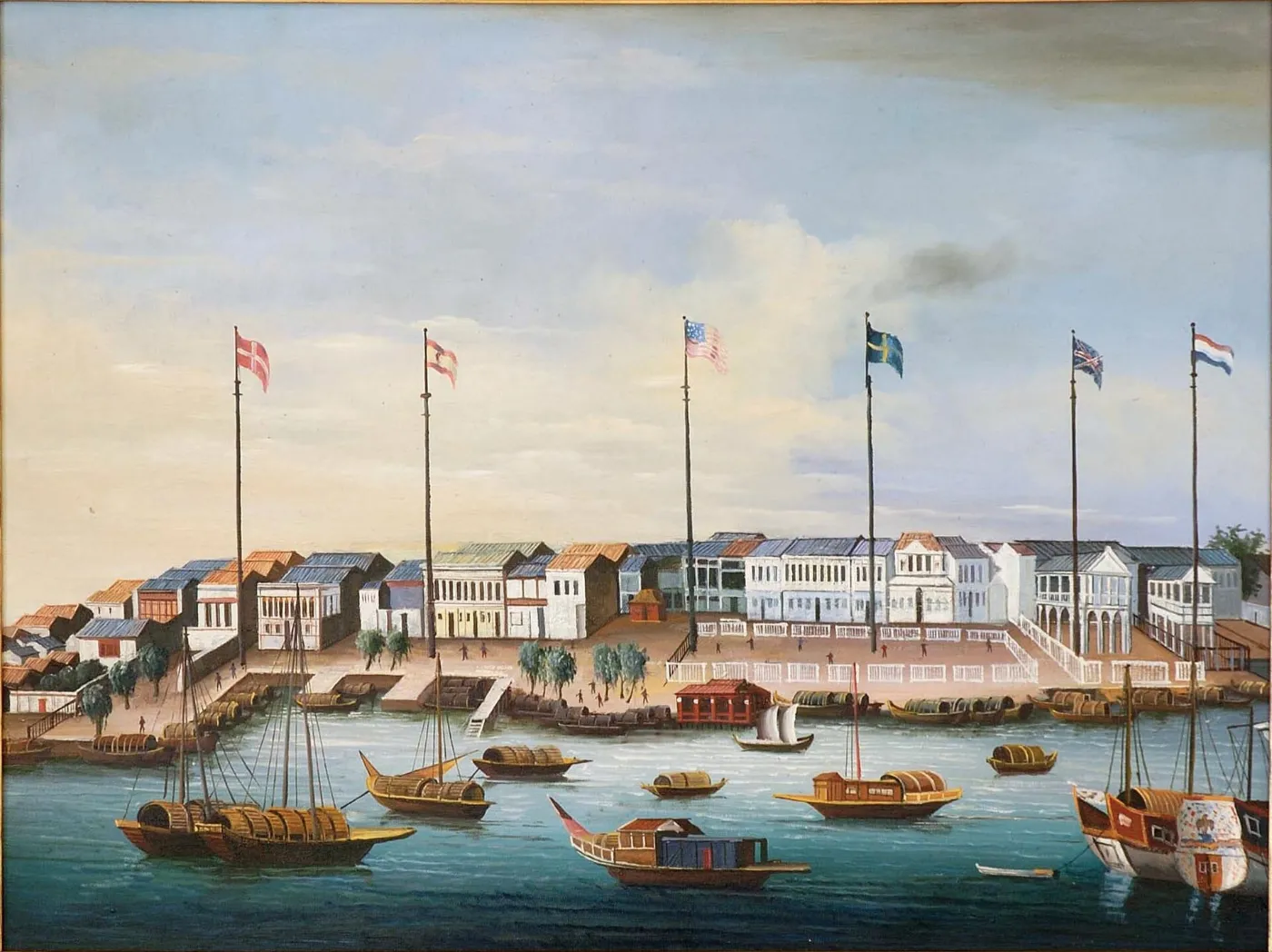
In 1732, Copenhagen merchants got a royal charter for the Asiatic Company. Its ships sailed to Canton in southern China with chests of silver. There, they bought tea, porcelain and silk. A round trip took about eighteen months.
Once back in Copenhagen, the cargo went up for auction. However, the buyers were mostly foreign merchants, especially Dutch ones. The Danes themselves drank only a small part of it. Between 1753 and 1772, Denmark sold on 81 percent of the goods its ships brought from China.
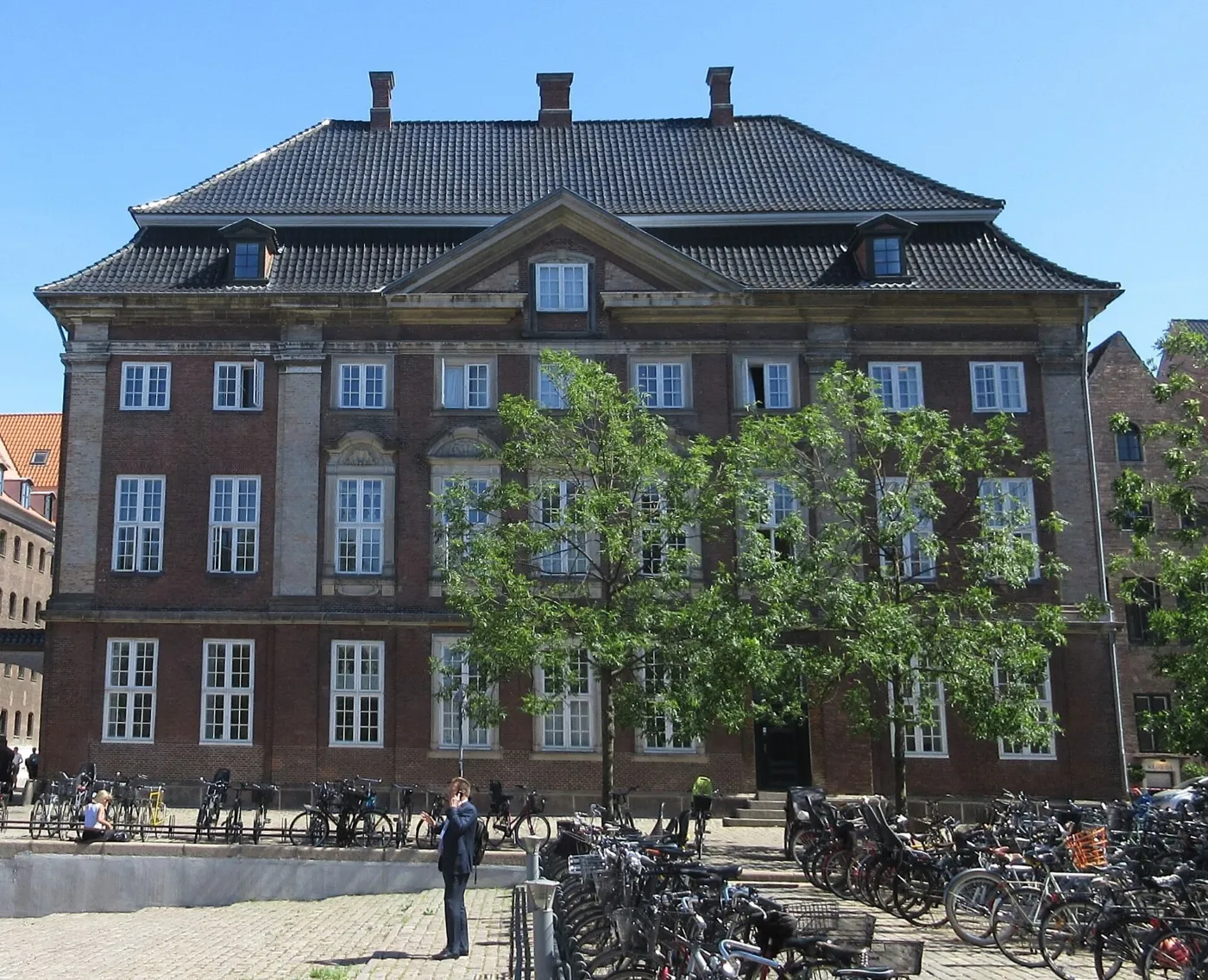
Meanwhile, the company built itself a fine brick headquarters on the Copenhagen harbour in 1738. It still stands on Asiatisk Plads. Today, Denmark’s Ministry of Foreign Affairs works there.
Where the Danish tea trade really went: Britain
So where did all that tea go? Much of it ended up in British teacups. In the 1700s, Britain taxed tea at up to 119 percent. On top of that, only the British East India Company could import it legally. As a result, cheap tea from the Continent was worth smuggling.
Wholesalers in Amsterdam, Rotterdam and Hamburg bought tea at the Copenhagen and Gothenburg auctions. After that, they supplied the smugglers who carried it across the North Sea. Before the 1780s, the Danish and Swedish companies together brought in a quarter to a third of all the tea shipped to Europe.
The numbers are wild. In 1783, the East India Company had 5.9 million pounds of legal tea in its warehouses. That same year, smugglers brought in an estimated 7 to 8 million pounds. In other words, more British tea came in through the back door than the front.
Britain’s war on the tea smugglers
This was a real fight, because the smuggling gangs were violent. In 1747, customs men seized a smugglers’ ship with two tons of tea. About two weeks later, roughly 60 men of the Hawkhurst Gang broke into the customs house in Poole and took the tea back. They left the brandy and rum behind.
Then, in 1748, the gang murdered a customs officer and a witness. Eleven of its leaders were later executed. Still, the smuggling went on for another thirty years.
In the end, Britain did not win this war with soldiers. It won it with a tax cut. In 1784, Prime Minister William Pitt, on the advice of the tea merchant Richard Twining, cut the tea tax from 119 to 12.5 percent. As a result, smuggled tea was soon no longer worth the risk. Copenhagen’s best year had been 1783, when five Danish ships sailed for China at once. After that, the trade began to shrink.
1801: Nelson at Copenhagen
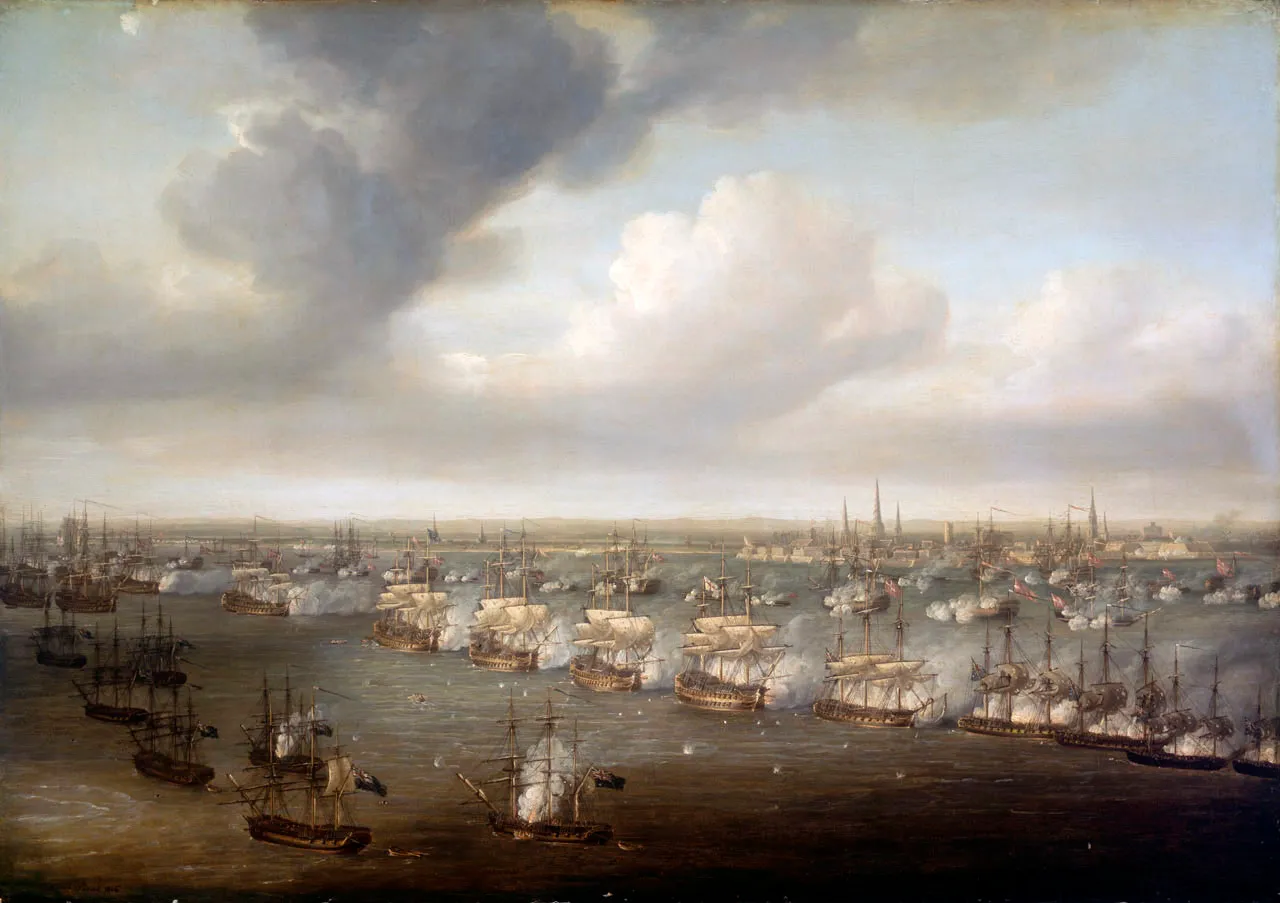
Even so, Denmark stayed neutral while Britain and France fought, and neutral ships could still trade. However, that made Britain nervous. On 2 April 1801, a British fleet attacked the Danish navy in front of Copenhagen. During the battle, Nelson was ordered to pull back. He famously put his telescope to his blind eye and said he could not see the signal. In the end, Britain won, and Denmark made peace.
1807: the British set Copenhagen on fire
Six years later, Britain came back. In 1807, it feared that Napoleon would take over the Danish fleet. So a British army landed north of Copenhagen in August and surrounded the city.
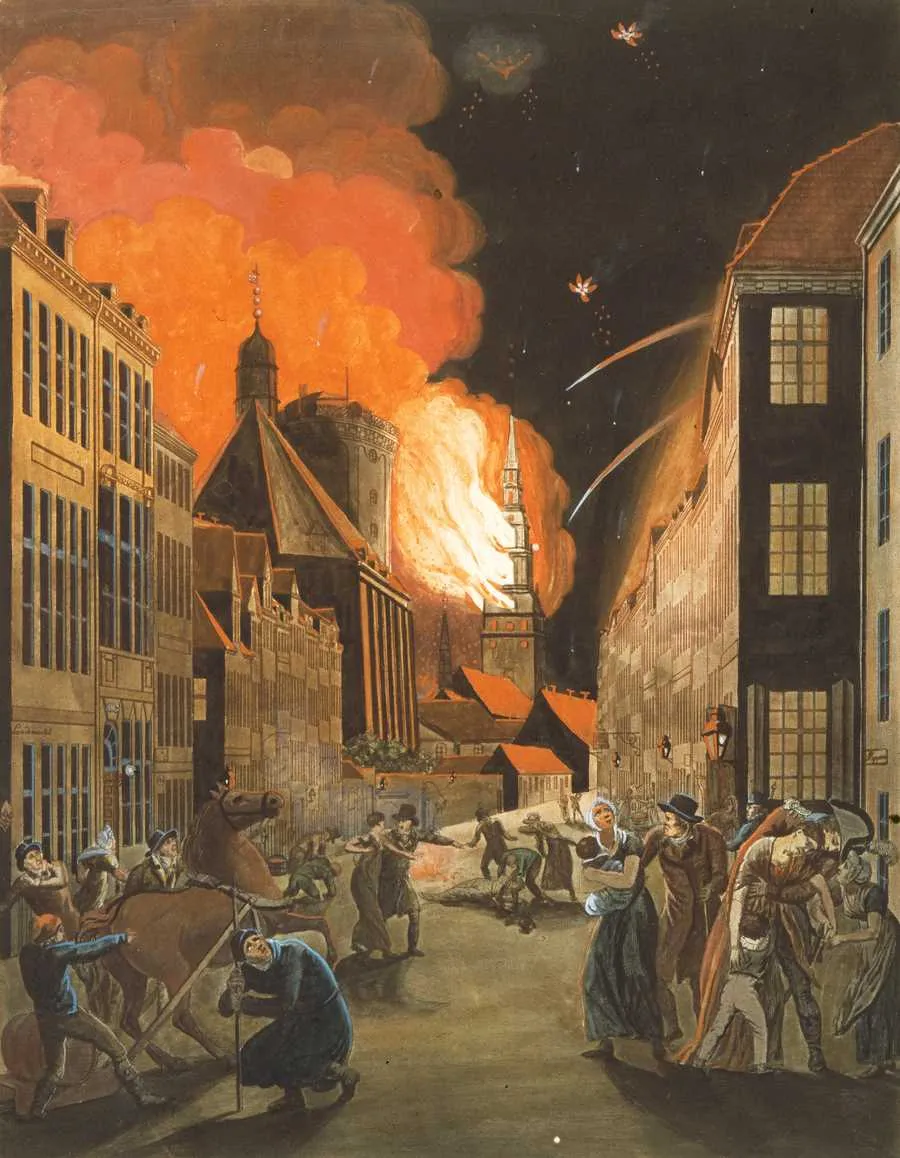
From 2 to 5 September, British guns and Congreve rockets bombarded Copenhagen. By the end, about 195 civilians had died and 768 were injured. More than a thousand buildings burned, including the Church of Our Lady and the university. On 7 September, the city surrendered. Afterwards, Britain sailed home with the Danish navy: 18 ships of the line, 11 frigates and many smaller boats.
Denmark answered by siding with Napoleon. It stayed at war with Britain until 1814, and it lost Norway in the peace.
The tea ships at the other end of the world
Meanwhile, the war reached Danish ships far from home. In January 1808, British officials in Bengal seized seven Danish merchant ships. On 31 January, the Royal Navy captured the company ship Norge at the Cape of Good Hope on her way home. In addition, British troops took the Danish trading towns in India.
After 1807, the Asiatic Company sent out only a few ships. In fact, no Asiatic Company ship sailed to Canton again until 1822. Copenhagen’s golden age of tea was over.
A dinner in Canton, fifteen years later
My favourite part comes after the war. In 1822, the company ship Kronprinsessen finally sailed back to Canton. During all those years, a Chinese merchant called Chunqua had looked after the Danes’ business there. To thank him, the crew gave him a portrait of the Danish king.
In return, Chunqua invited thirteen of them to dinner at his home. Westerners were not allowed inside the city walls, so the Danes had to be smuggled in. On the way home, the crew stopped at Saint Helena and visited the grave of Napoleon, the man whose war had cut them off from China.
Finally, the last Danish company ship left for Canton in 1833. The company lost its charter in 1844.
What to drink with the story of the Danish tea trade
A Wuyi black tea, like lapsang souchong. In the 1700s, Europeans called the black teas of the Wuyi mountains “bohea”. It was the cheap, everyday black tea that filled the Scandinavian ships; one study found it made up 84 percent of Swedish China cargoes. Lapsang souchong is the smoky member of that family, which feels right for a city on fire. Try Magic Hour’s organic lapsang souchong.
Pour it into blue and white porcelain. The Danish ships brought home Chinese porcelain as well as tea. In 1775, Royal Copenhagen made its first pattern, Blue Fluted, inspired by those Chinese pieces. It still makes it today, for example this Blue Fluted Plain teapot.
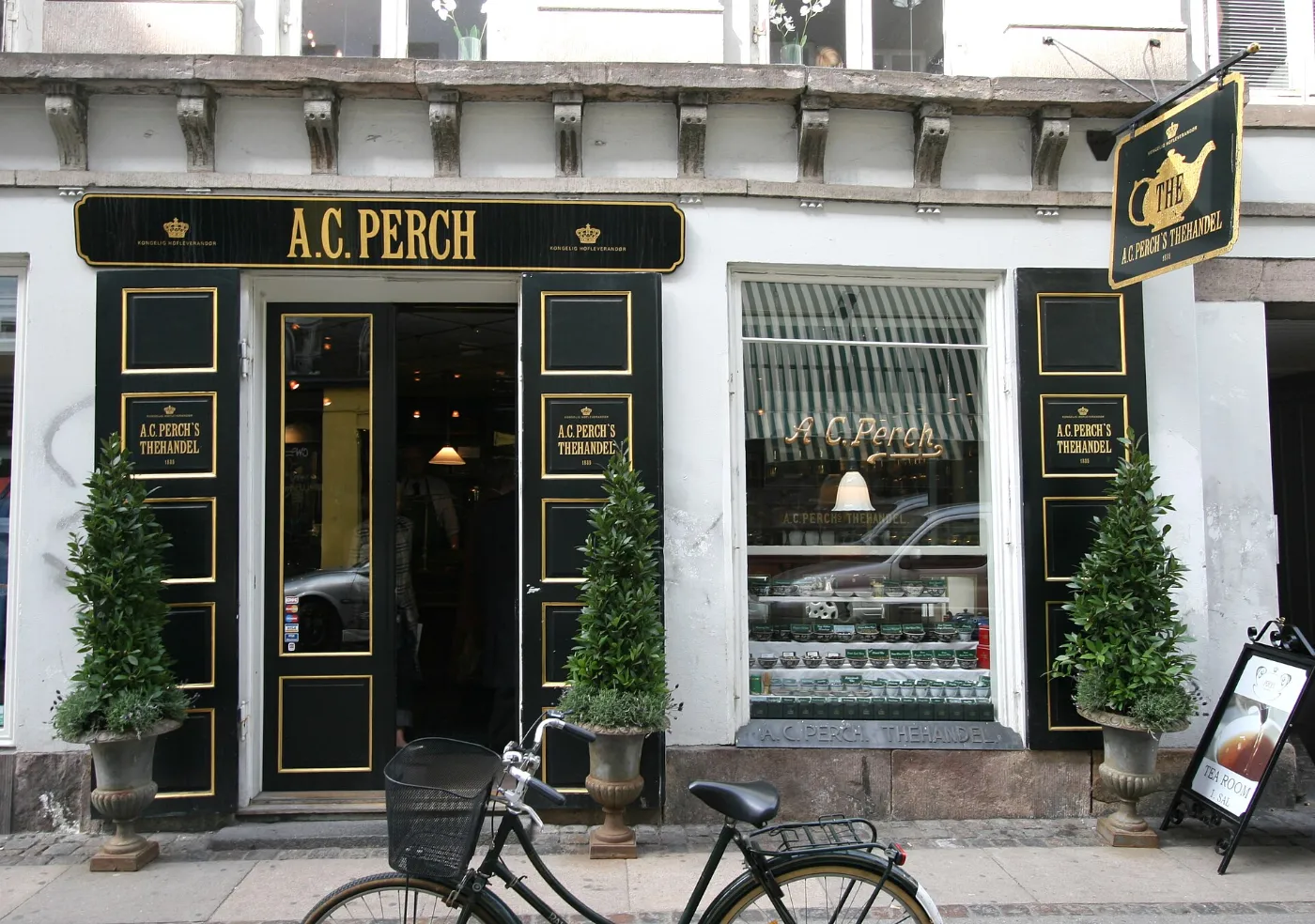
And if you are in Copenhagen: A.C. Perch’s Thehandel has sold tea on Kronprinsensgade since 1835. Its building went up in 1805, two years before the bombardment, and it is still standing.
Questions about the Danish tea trade
A Copenhagen trading company chartered in 1732. Its ships carried silver to Canton in China and brought back tea, porcelain and silk, which were auctioned in Copenhagen. It lost its charter in 1844.
Mostly abroad. Denmark re-exported about 81 percent of its China goods between 1753 and 1772. Much of the tea passed through Dutch and German wholesalers to smugglers who sold it in Britain, where tea was heavily taxed.
Britain feared Napoleon would take over the Danish fleet. From 2 to 5 September 1807 it bombarded the city, then sailed away with the Danish navy. Denmark then sided with France until 1814.
A smoky Wuyi black tea such as lapsang souchong, from the family of teas Europeans called bohea, the cheap black tea the Scandinavian ships carried. Serve it in blue and white porcelain.
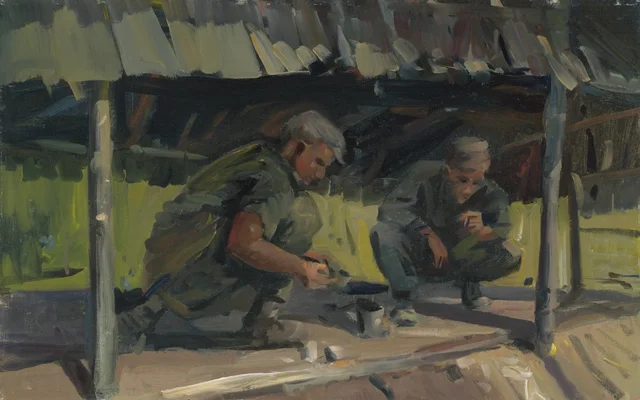
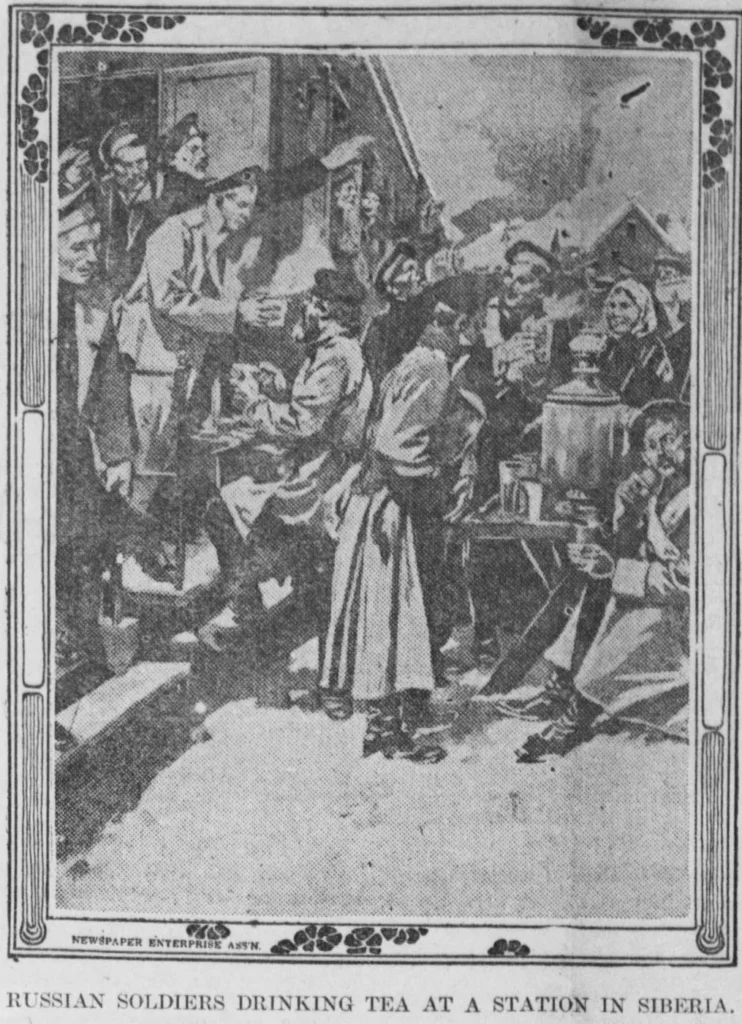
Go deeper: What Cossacks and Russian Soldiers Really Drank · Tea in the Vietnam War
Sources
- Danish Asiatic Company, Asiatisk Kompagni (Lex, in Danish) and Asiatisk Plads
- Maxine Berg, Timothy Davis, Meike Fellinger, Felicia Gottmann, Hanna Hodacs and Chris Nierstrasz, “Private Trade and Monopoly Structures”, University of Warwick (2013)
- Chris Nierstrasz, “Have your tea and drink it too!”, University of Warwick
- Tea, chapter 2, “Before”, Cornell University Press (open access)
- Commutation Act 1784
- “Cuppa thugs: these brutal smugglers ran an 18th-century tea cartel”, NPR via WGBH (2016)
- Battle of Copenhagen (1801) and Battle of Copenhagen (1807)
- Norge and Kronprinsessen (Asiatic Company ships)
- A.C. Perch’s Thehandel; Royal Copenhagen, Blue Fluted Plain; Lapsang souchong