Tea and Shungite: Brewing with a Two-Billion-Year-Old Stone from Karelia
The story of shungite, the black stone from Karelia that I keep in my water pitcher, and how I use it for all my tea brewing.
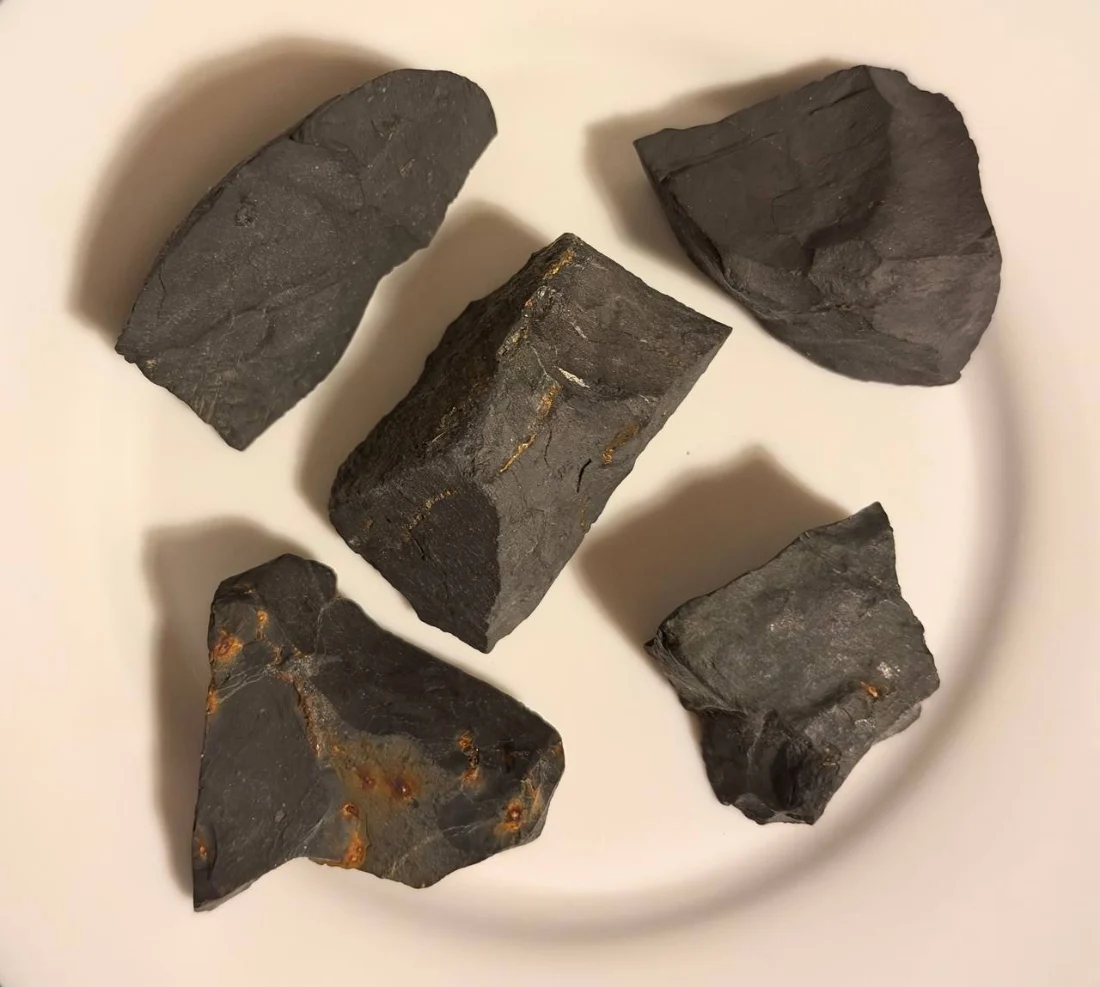
I discovered shungite through my mom. She had a couple of stones, which were imported from Russia, and shared with me all the benefits when it comes to purifying water. I am lucky to have excellent tap water in NYC, but I’ve been interested in ways to make water taste better for a while. Shungite was a welcome curiosity, and I’ve been using it for years. It needs to be washed very thoroughly, which is what my mom recommended. Some water filter cartridges are filled with shungite too.
I mentioned shungite briefly in my post on the best water for tea. It deserves a post of its own, so here is the story of the stone and how I use it.
What is shungite?
Shungite is a black, carbon-rich rock found almost only in Karelia, in northwest Russia, around Lake Onega. It takes its name from the village of Shunga, and the name was first used by the Russian geologist Aleksandr Inostrantsev in 1879.
The rock is about two billion years old. Geologists think it began as organic-rich sediment, something like an ancient oil shale, that was buried and transformed by heat and pressure long before plants or animals existed on land.
Shungite is sold in grades by how much carbon it holds:
- Elite (or noble) shungite: up to about 98% carbon. Silvery and shiny, light in the hand, sold as rough nuggets. It is the rarest kind.
- Regular shungite: much less carbon, matte black or dark grey, heavier. This is the kind that gets cut and polished, and the kind most water stones are.
The rusty or ochre flecks you can see on some pieces, including mine, are iron minerals such as pyrite that have oxidised on the surface.
Shungite also has a small claim to scientific fame: in 1992 researchers reported finding fullerenes in it, the cage-shaped carbon molecules whose discovery later won a Nobel Prize.
Peter the Great and Russia’s first spa
In 1719 Peter the Great founded Russia’s first spa, Marcial Waters, in Karelia, close to the shungite deposits. The story goes that he had been told about the local springs while travelling with his army, and that his soldiers carried a piece of the stone in their water flasks.
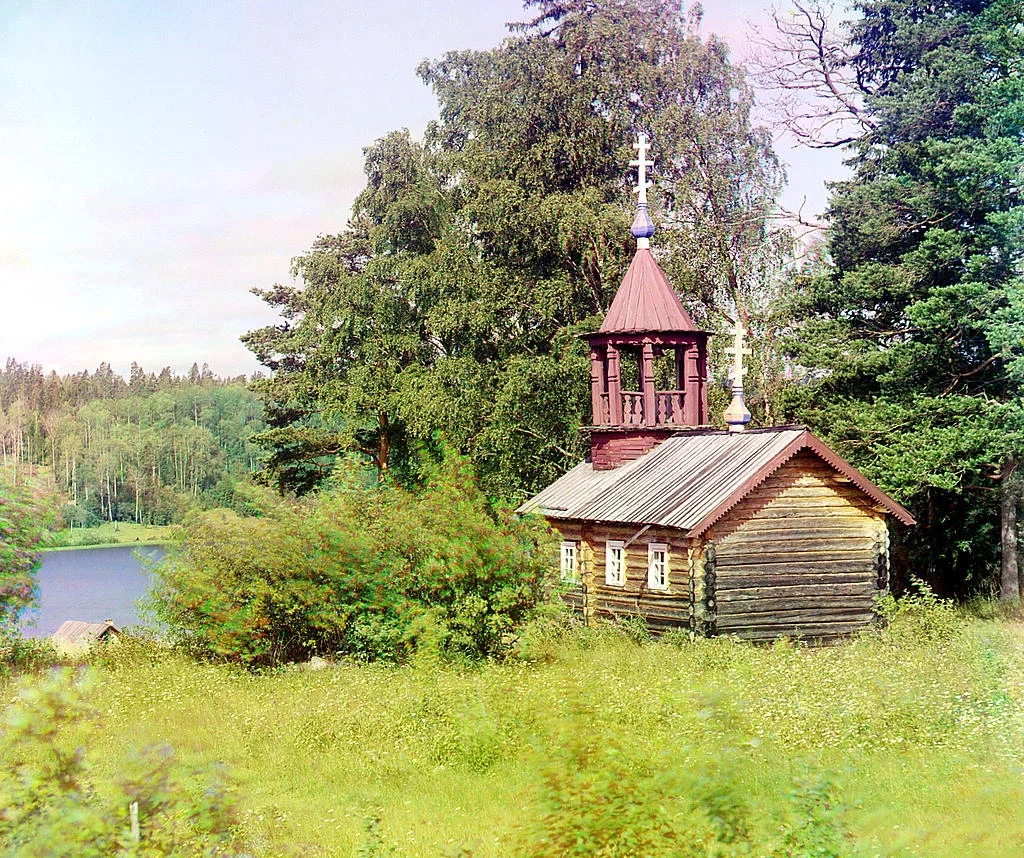
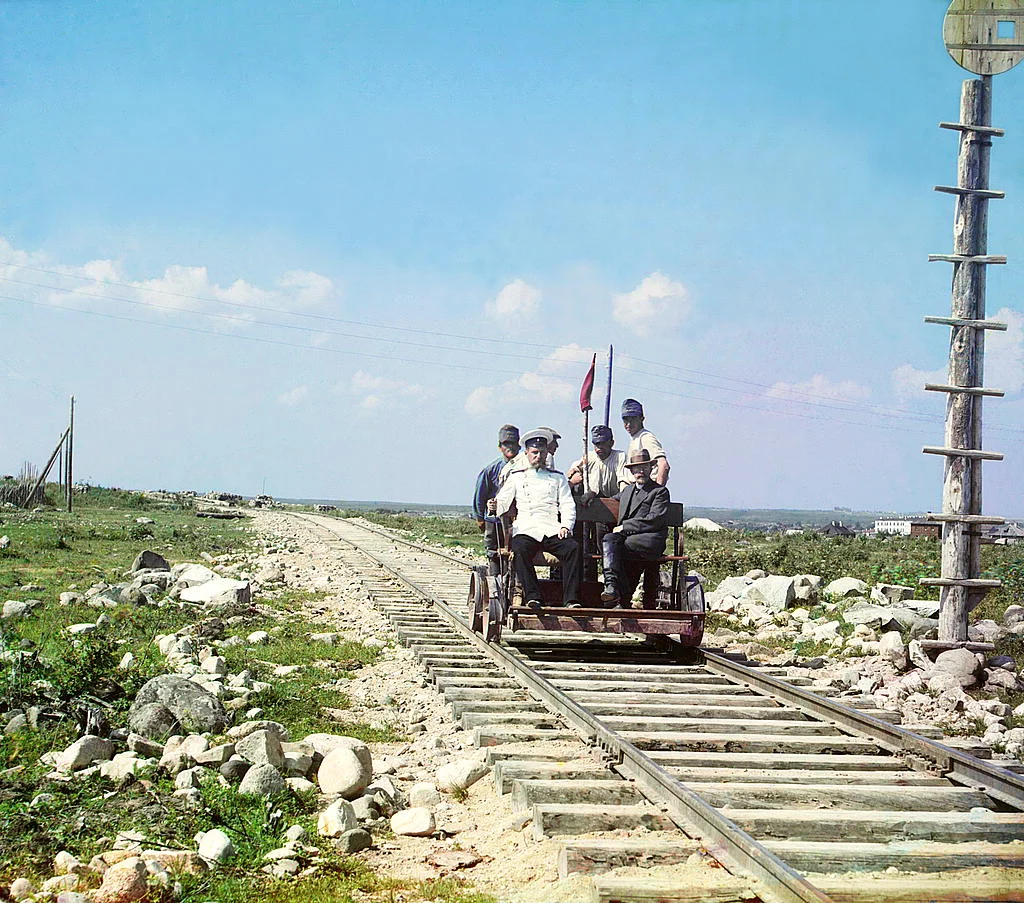
People around Lake Onega have kept shungite in their water for generations since, and it is still sold for that purpose in Russia today.
How I use shungite for tea water
I use it for all my tea brewing.
- Rinse the stones very well before the first use. Scrub them under running water until the water runs completely clear. New stones shed black dust.
- Soak and pour away the first few batches. Leave the stones in water for a day, discard it, and repeat two or three times before you start drinking it.
- Use a glass pitcher. Put the stones in the bottom and fill with tap or filtered water.
- Leave it a few hours or overnight, then pour off the water for your kettle.
- Rinse the stones regularly, about once a week, and let them dry in the sun now and then.
A note on the rinsing: shungite is a natural rock and its makeup varies from piece to piece. A 2021 study in the Journal of Water and Health found that shungite can release some of its own minerals and metals into water, and recommended washing it with more water, for longer, than sellers’ instructions usually say. So be generous with the rinsing, and buy from a seller who states where the stone comes from.
If you are looking for stones, VinasHealingCrystals on Etsy sells raw shungite chunks imported from Karelia, sent unwashed.
A tea from the same corner of Russia: Ivan chai
If the stone makes you curious about the region, there is a tea to go with it. Ivan chai is made from the leaves of fireweed (Chamaenerion angustifolium), which are rolled, oxidised and dried much like black tea. It is also called Koporye tea, after the village of Koporye near St Petersburg where it was produced in quantity in the nineteenth century. It is still made across northwest Russia, Karelia included.
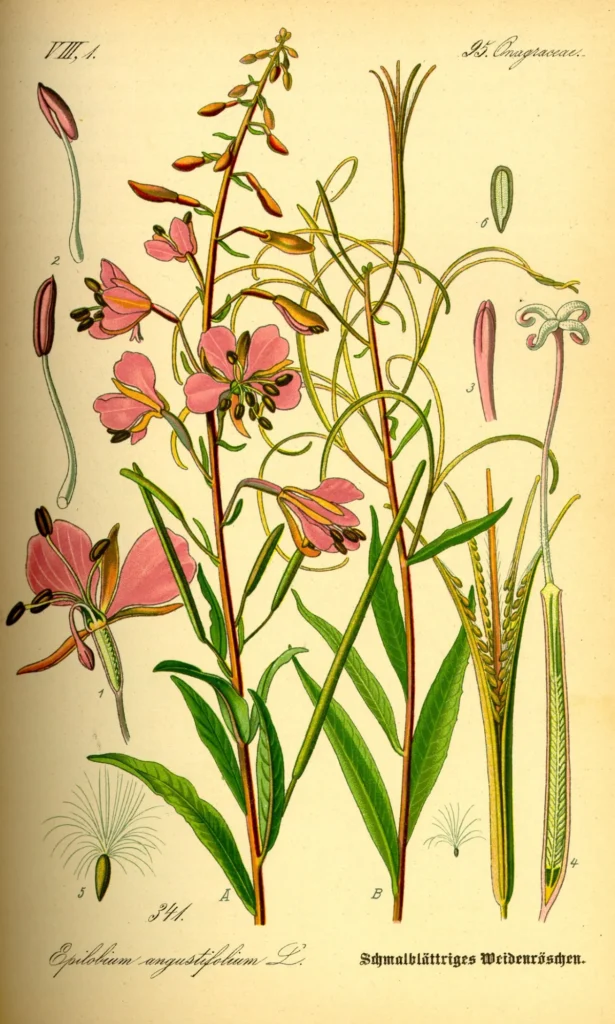
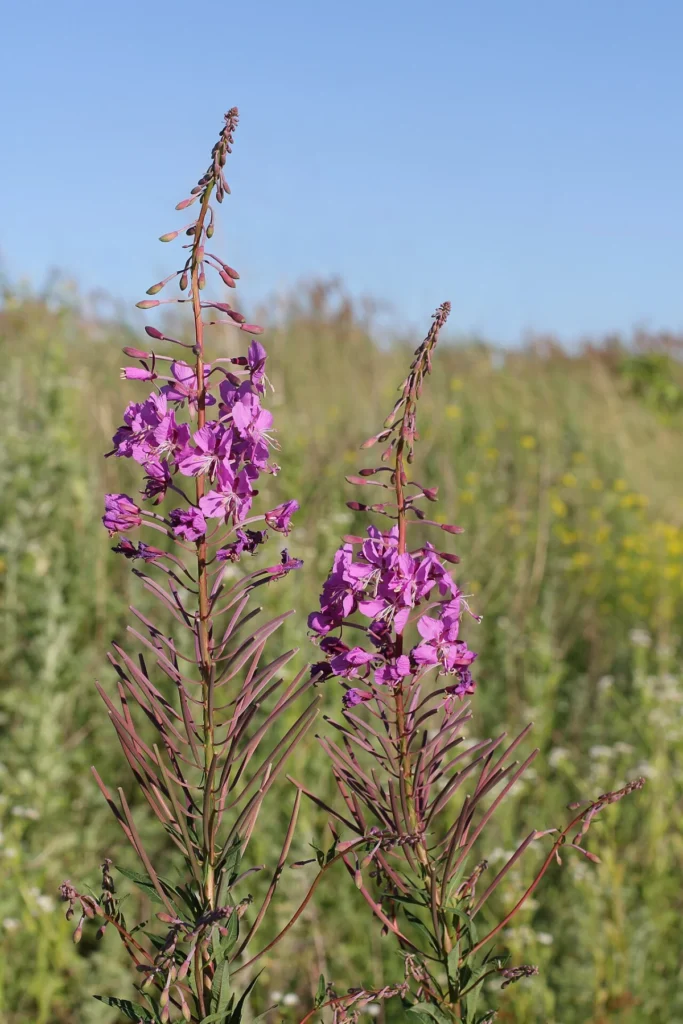
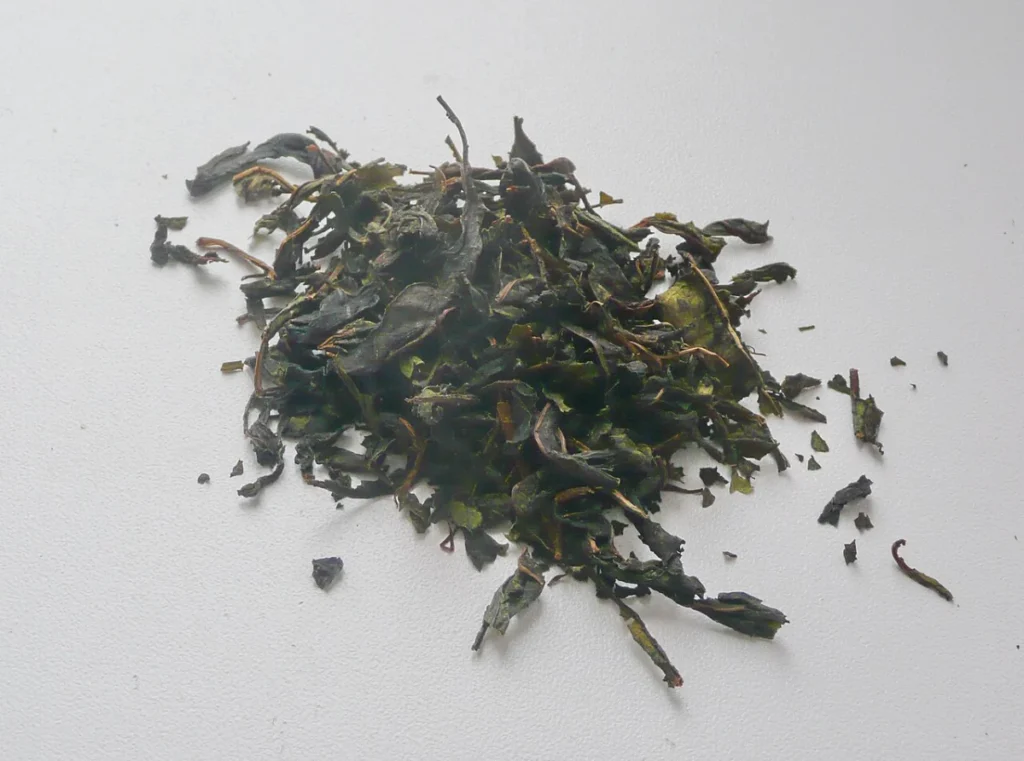
If you want to try it, ChagaTeaShop on Etsy sells a wild fermented Ivan chai from the Altai region of Siberia.
If you keep anything in your water pitcher, or brew with shungite yourself, please feel free to share in the comments. Thanks!
Frequently asked questions
What is shungite?
A black, carbon-rich rock about two billion years old, found almost only in Karelia in northwest Russia and named after the village of Shunga.
How do you use shungite stones in water?
Rinse them thoroughly, soak and discard the first few batches of water, then keep them in a glass pitcher of water for a few hours or overnight. Rinse the stones about once a week.
What is the difference between elite and regular shungite?
Elite shungite is up to about 98% carbon, silvery and sold as rough nuggets. Regular shungite has less carbon, is matte black, and is the kind usually sold as water stones.