Tea in the Trenches: Petrol Tins, Rum and the French Who Drank Wine
Tea in the trenches of WWI: petrol-can water, chloride of lime, rum in the brew, Tommy cookers, and the French poilus who stuck to wine.
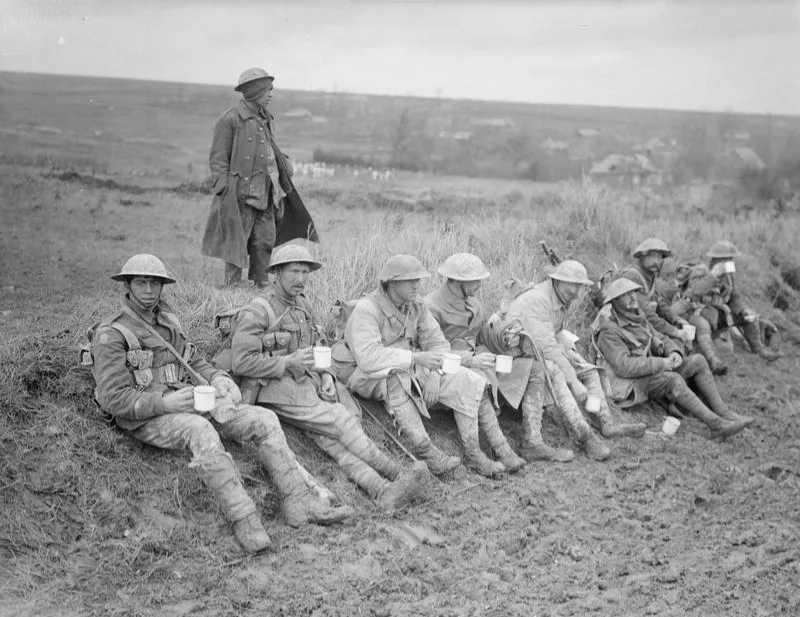
On the Western Front, two armies shared the same mud in northern France. The French drank wine. The British drank tea. Neither side thought the other had it right. And the British tea, honestly, was often terrible. This is the story of tea in the trenches of the First World War, and why it tasted of petrol.
Some product links in this post go through my ShopMy shop and may earn me a small commission, at no extra cost to you.
Pinard: the French ration
Let’s start with the hosts. The French soldier, the poilu, had his wine ration, called pinard. It was cheap red wine, about 9 percent alcohol. The soldiers had a saying: “Pas de pinard, pas de poilu.” No wine, no soldier.
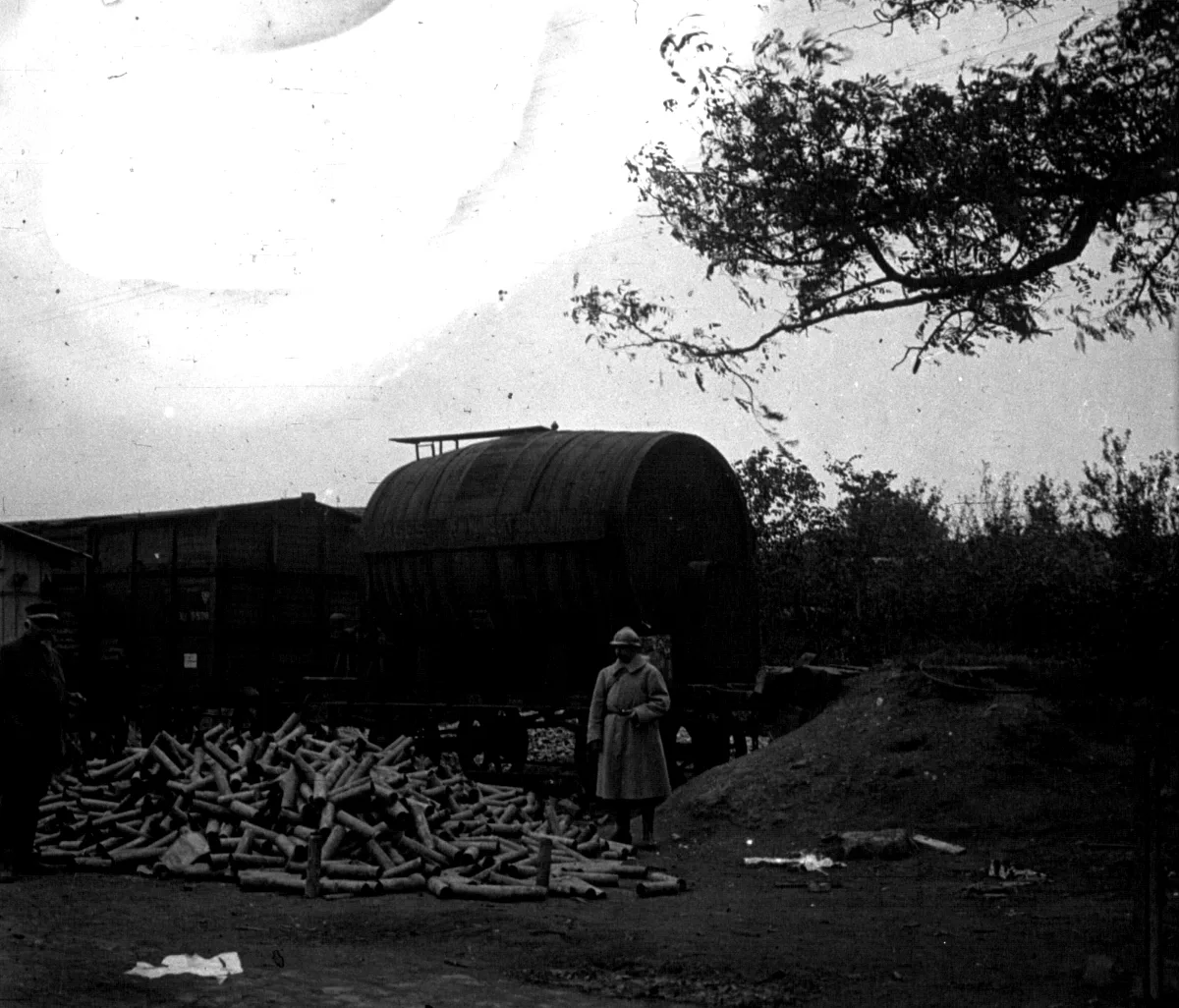
The ration kept growing. In 1914 it was a quarter of a litre a day. By 1916 it was half a litre. And by 1918 it was close to a full litre. The army took about a third of all the wine France made. It even moved it in railway tank wagons, like the one below.
Why tea in the trenches tasted of petrol
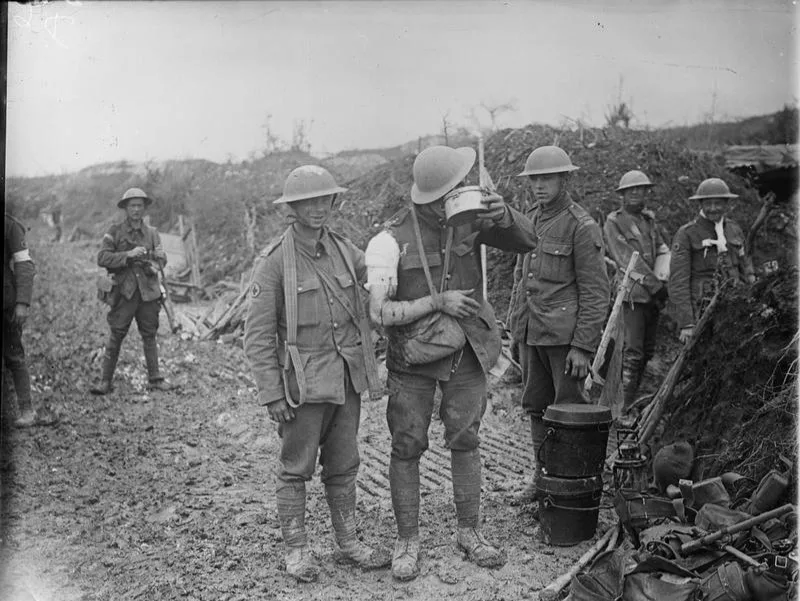
The British, meanwhile, wanted tea. But tea needs clean water, and clean water was hard to find in the trenches. So it was carried up from the rear at night, in old petrol cans. Soldiers called them “flimsies”. They leaked, and men often dropped them while jumping from crater to crater under fire.
Unfortunately, the cans never quite lost their smell. Writers like Robert Graves, in his memoir Goodbye to All That, remembered the taste of fuel in their water. On top of that, the army often treated water with chloride of lime, a bleaching powder. That made it taste like a swimming pool.
So what did soldiers do? They made the tea extremely strong. Black, stewed and very sweet, it covered the petrol a little. Most of the time, though, it still didn’t work.
Two hours for half a pint
Next, boiling the water was its own fight. Many soldiers used a Tommy cooker, a little tin stove that burned solid fuel. It was light and it made no smoke. However, it was also slow. One soldier complained that it took two hours to boil half a pint of water. That is a long wait for one cup of tea.
Interestingly, a 1916 advert said the cooker was used by the British, Belgian and French armies. So the French did boil water too. Probably for coffee.
Rum in the tea
After that, there was rum. Every morning and evening, at “stand-to”, an officer handed out a quarter of a gill, about 35 ml, per man. It came in stone jars stamped “SRD”. Officially this meant Service Rations Depot. The soldiers said it meant “Seldom Reaches Destination”.
Often the rum went straight into the tea. A Black Watch medical officer later said that without the rum ration, he did not think they would have won the war. Temperance groups back home disagreed. In 1914 they asked the army for hot drinks in the morning “instead of the cold deception of the rum ration”.
Canteens, hampers and a cup of “char”
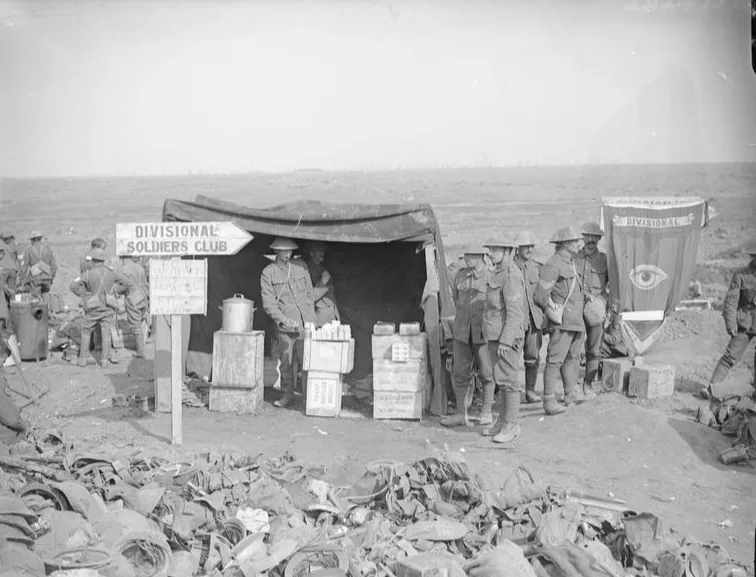
Behind the lines, however, things got better. Divisions set up canteens and soldiers’ clubs. At Guillemont in September 1916, the Guards hung a sign that read: “For Wounded: Tea, Cake etc. Free at any hour.”
Officers, in addition, had another option. In 1914 and 1915, Fortnum & Mason sold food parcels for officers at the front, and wealthy families sent them over by the box.
The soldiers also brought a new word home. Many had served in India, and they called tea “char”, from the Hindustani cha. “A cup of char” stuck in British slang. “Chai” followed as army slang around 1919.
Even the prisoners got tea
Here is my favourite photo from the Somme. In July 1916, at the British Fourth Army headquarters in Querrieu, a group of German prisoners sat down at a long table. What were they served? Tea, of course.
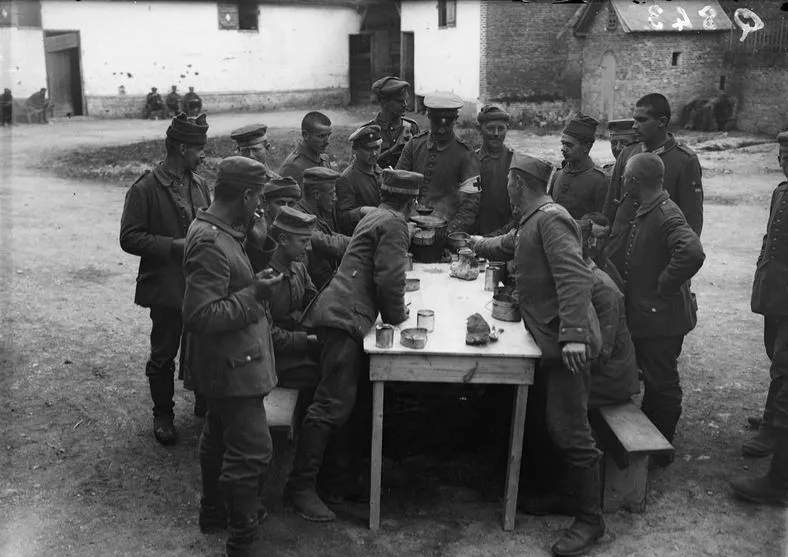
On 11 November 1918, the guns stopped. The French went home with a taste for pinard, and the British went home with a taste for char. Neither side ever converted the other.
What to drink on 11 November
The Tommy: a stand-to brew. A strong Assam, like DONA’s Amber Assam, stewed until it is dark, with milk and two sugars. If you want the full ration, add a small spoon of dark rum. Please skip the petrol can.
The contrarian: tea and pinard. Make a pot of plain black tea, and pour a small glass of simple French red next to it. Sip one, then the other. It is a terrible idea, and it is also the whole Western Front in one table setting.
Questions about tea in the trenches
Mostly tea, made very strong and sweet, plus a daily rum ration of a quarter of a gill. Water often came up in old petrol cans and was treated with chloride of lime, so the tea often tasted of petrol or chlorine.
Wine, called pinard. The daily ration grew from a quarter of a litre in 1914 to half a litre in 1916 and close to a litre by 1918. The soldiers’ saying was “Pas de pinard, pas de poilu”.
A small portable stove that burned solid fuel, used by British soldiers to heat water and food in the trenches. It made no smoke, but it was slow: one soldier said it took two hours to boil half a pint.
From the Hindustani word cha, brought home by soldiers who had served in India. It became common British slang for tea, as in “a cup of char”.
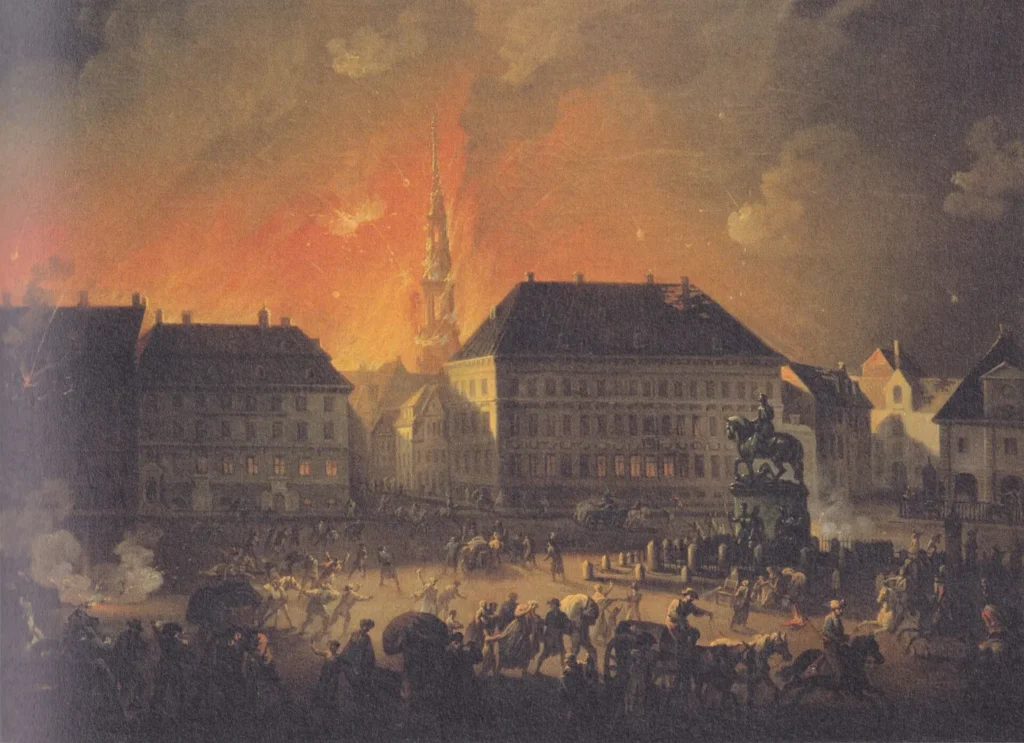
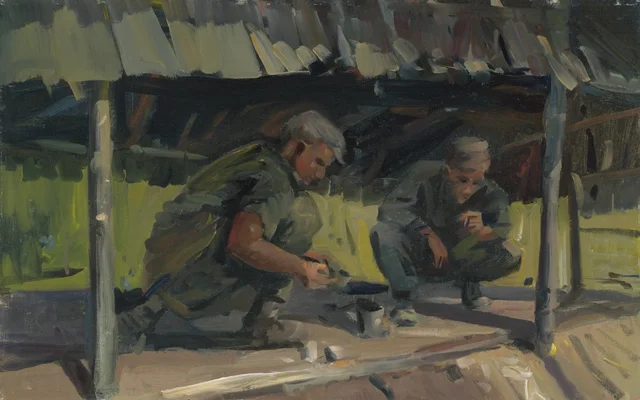
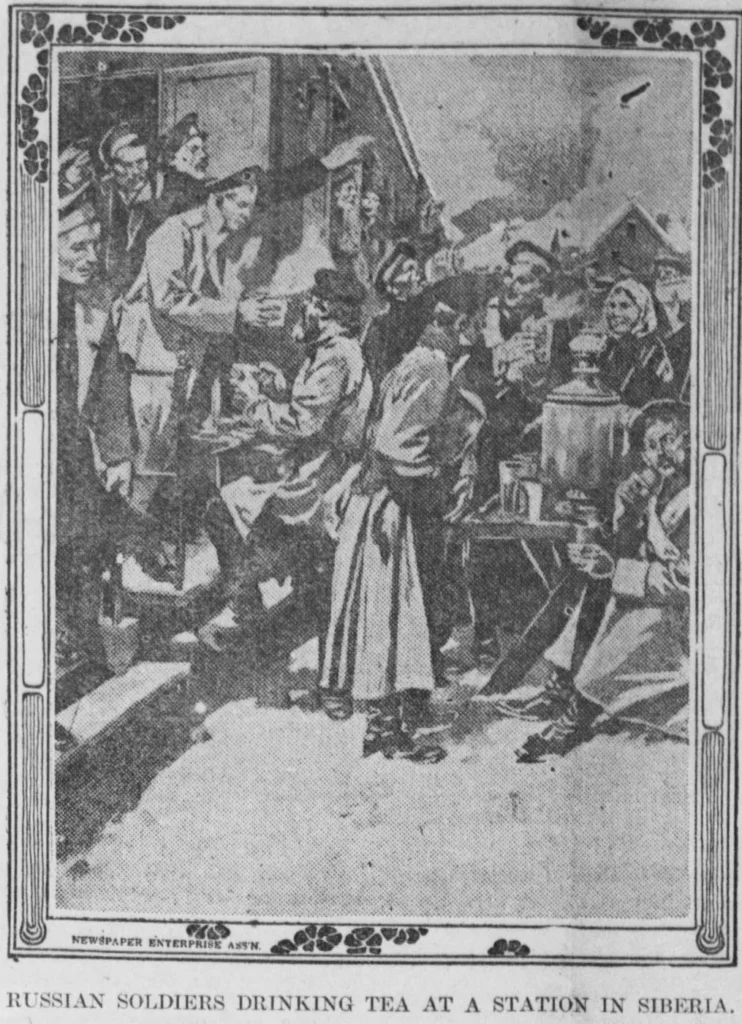
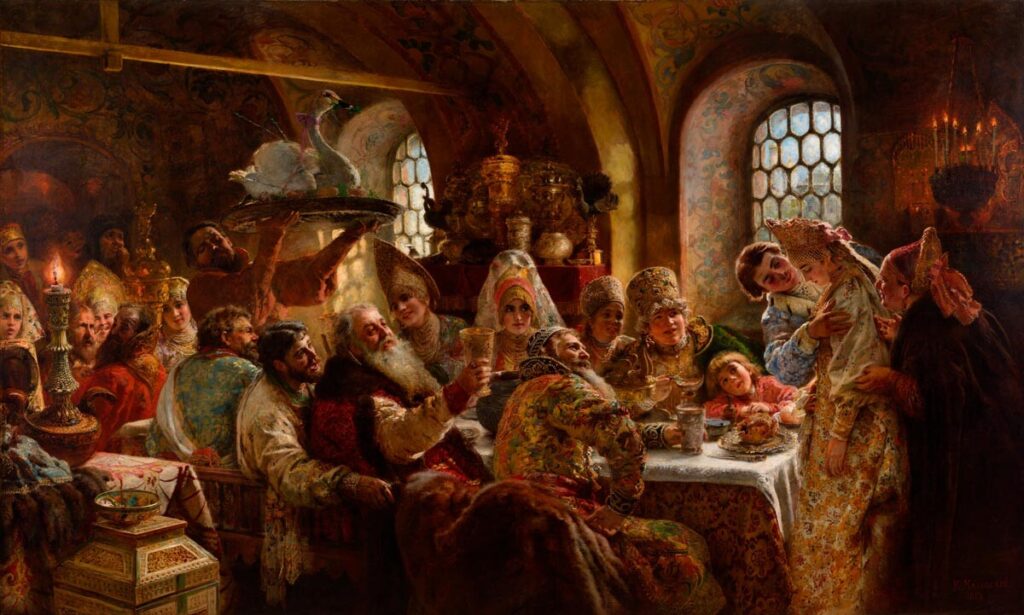
Go deeper: What Cossacks and Russian Soldiers Really Drank · Tea in the Vietnam War · The Danish Tea Trade and the 1807 Bombardment of Copenhagen
Sources
- “Flimsies: The Re-used Water Cans of the First World War”, Great War Centre (2017)
- “Hygiene in WWI trenches”, SOFREP
- “Alcohol in the trenches: the rum ration”, Western Front Association
- Tommy cooker and Pinard (wine), Wikipedia
- “Les tranchées de la guerre de 1914-1918 étaient pleines d’hommes saouls”, Slate.fr
- “Fortnum & Mason provision the front”, Roads to the Great War (2014)
- “Tea and etymology: where your cuppa char came from”, South China Morning Post
- Top image: British troops having hot tea on their way out from the trenches, Hamel, November 1916. Photo: John Warwick Brooke, Imperial War Museum, via Wikimedia Commons, public domain.