Tea in the Desert Wars: Benghazi Burners, Tank Kettles and Iraqi Chai
Tea in the desert wars: Benghazi burners in 1942, a kettle inside every British tank, Desert Rats back in Kuwait in 1991, and the Iraqi chai they found.
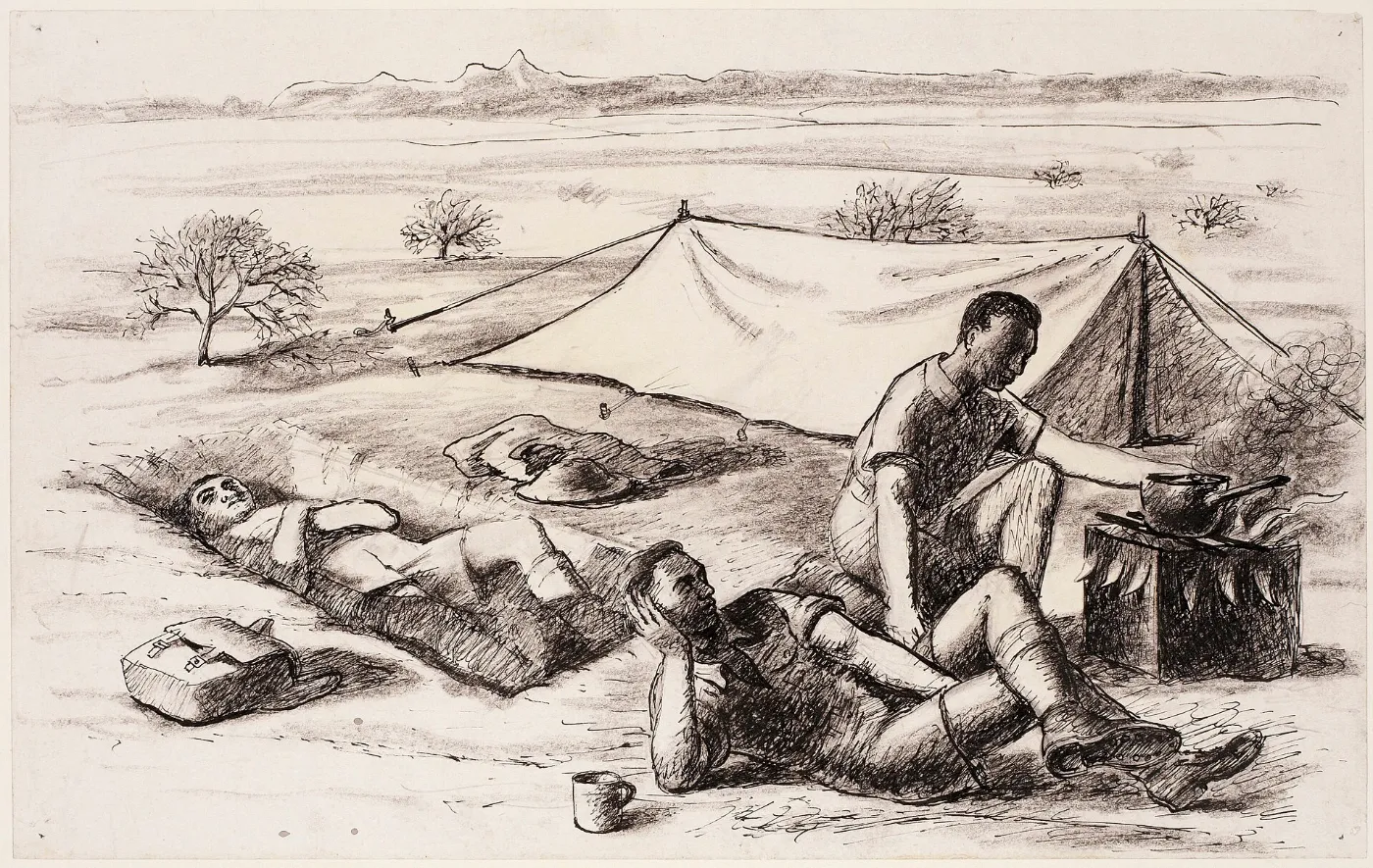
In the North African desert, British soldiers used the words “brew up” for two things. The first was making tea. The second was a tank catching fire. Both happened a lot. And the story of tea in the desert wars, from Libya in 1942 to Kuwait in 1991, is really about how the British Army learned to tell them apart.
Some product links in this post go through my ShopMy shop and may earn me a small commission, at no extra cost to you.
Tea on a fire of sand and petrol
The Eighth Army had an official stove for its tank crews. It was called “Cooker, Portable No 2”, and in the desert it kept clogging with sand. So the soldiers made their own, the Benghazi burner.
It was simple. You took an empty four-gallon fuel can, or a biscuit tin, and punched holes in the top half. Then you filled the bottom half with sand, poured petrol into it and lit it. A second can went on top to boil the water. Sand, fuel and empty cans were everywhere, so a brew was never far away.
There was a catch, though. The fuel often burned out too soon, and some soldiers poured more petrol onto the hot sand. Sometimes the burner exploded.
“The soldiers’ drink: tea”
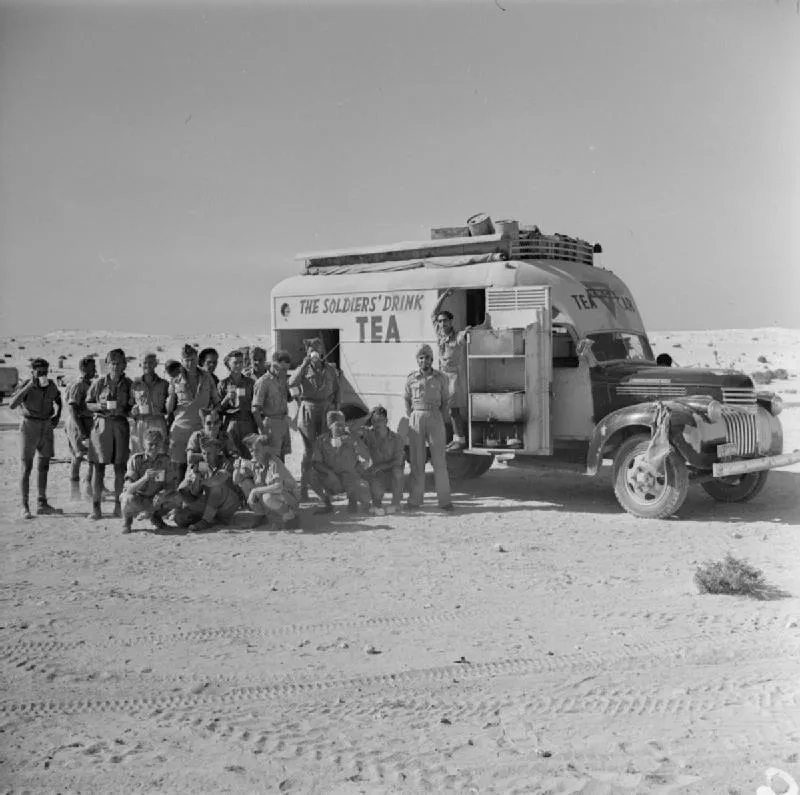
Tea was so important that the army brought it to the front line. In July 1942, an army photographer caught a mobile tea canteen in the forward area. The van carried the words “The Soldiers’ Drink: Tea” on its side.
Tea also worked as money. The war artist Edward Ardizzone painted a scene near Sirte, in Libya, in 1942. In it, two Arab men and three children trade eggs for tea with a British soldier sitting on a petrol can. In the desert, a pinch of tea was worth something to everyone.
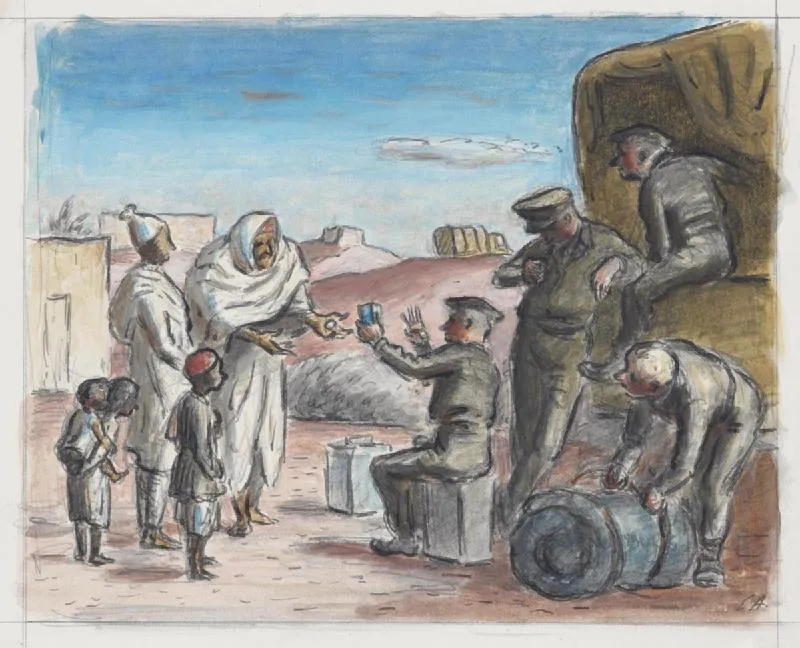
When “brew up” meant a burning tank
Now for the darker meaning. The flames of a burning tank looked a lot like a Benghazi burner. So tank crews started to say a tank had “brewed up” when it was hit and caught fire. Today, a catastrophic kill is still commonly called a brew-up.
The two meanings were also connected in a deadly way. To make tea, a crew had to stop and climb out of the tank. Outside, they were exposed.
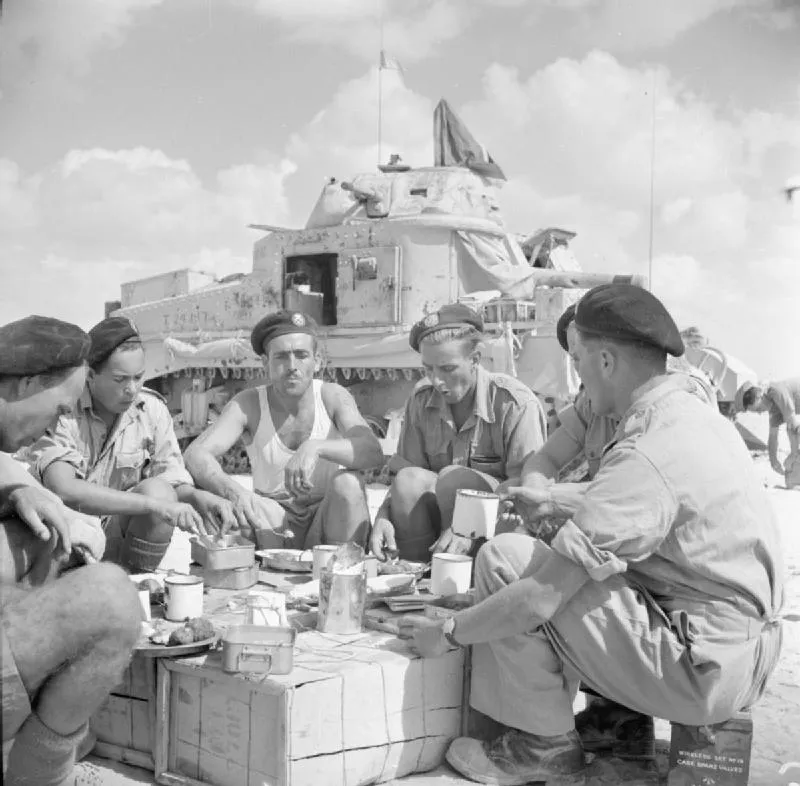
A kettle inside the tank
So the British put the kettle inside. At the very end of the Second World War, the new Centurion tank was fitted with a “boiling vessel”, or BV. It runs off the tank’s electrics. The crew can heat water and ration tins without ever leaving the vehicle.
There is a popular story behind it. On 13 June 1944, at Villers-Bocage in Normandy, a German Tiger tank attacked a British column whose crews had stopped for maintenance and a cup of tea. The British lost 14 tanks in about 15 minutes. Whether that tea break really caused the kettle is not proven. However, a 1946 army study did find that 37 percent of armoured-unit casualties at the end of the war happened while soldiers were outside their vehicles.
Either way, the BV stayed. Every British tank designed since the Centurion has one. Crews still pick a junior soldier as unofficial “BV Commander”, in charge of the brews.
The Desert Rats go back to the desert, 1991
In North Africa, the 7th Armoured Division wore a jerboa, a little desert rodent, on its badge. That is where the nickname “Desert Rats” comes from. Fifty years later, the 7th Armoured Brigade still carried the jerboa, and in 1991 it went back to the desert for the Gulf War.
This time the crews drove Challenger tanks, and each one had a kettle inside. The British Challengers destroyed more than 400 Iraqi tanks without losing one. And here is my favourite detail: in the Gulf War, British soldiers briefly brought back the Benghazi burner, this time made from ammunition boxes. Fifty years on, nobody had forgotten how.
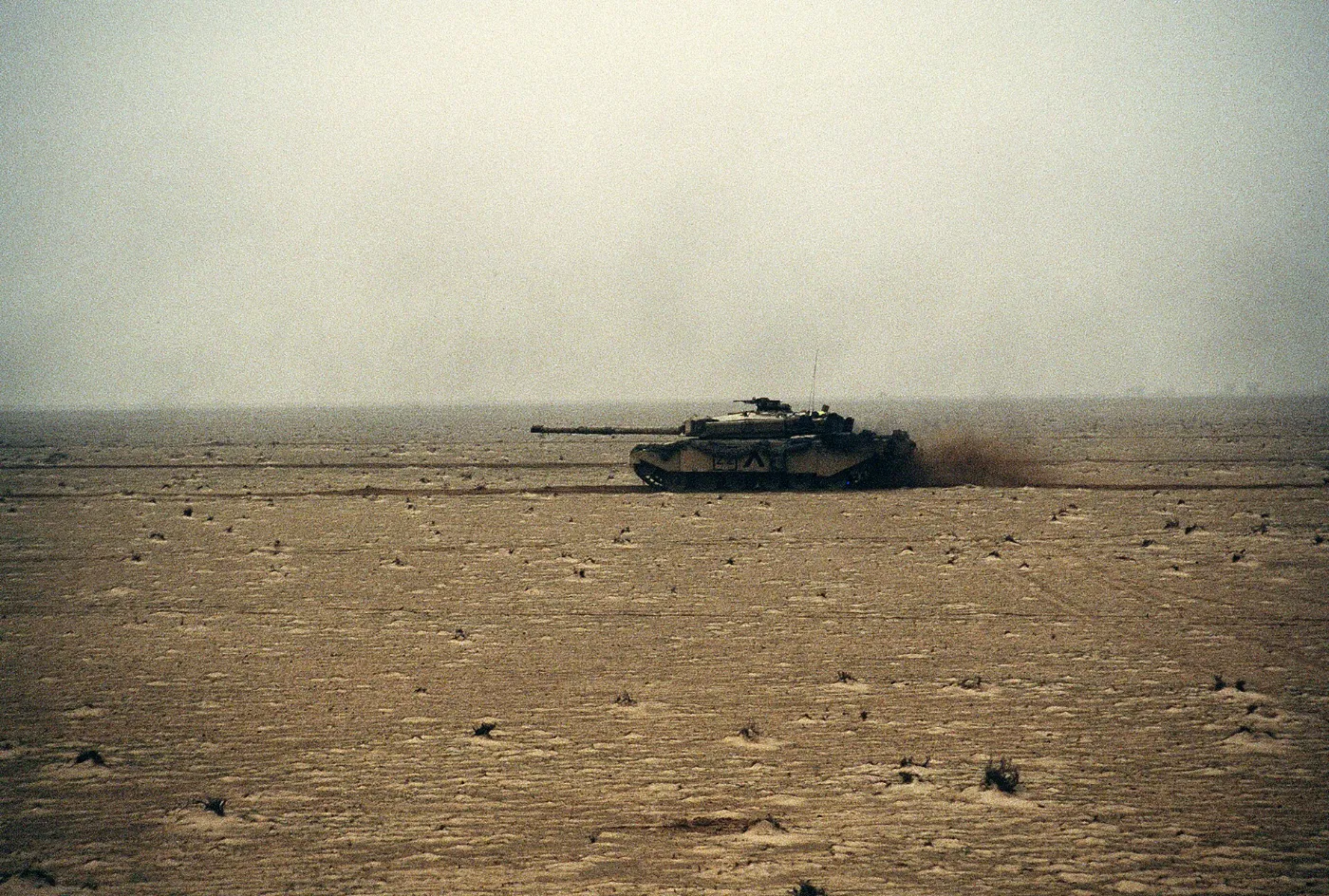
The Americans noticed too. Today many U.S. fighting vehicles carry similar water and ration heaters.
The tea on the other side of the sand
The soldiers were not bringing tea to a land without it. In Iraq, tea is the second most drunk drink after water. Iraqis like it strong and dark, often with cardamom and plenty of sugar, served in small glasses. Tea houses are where people meet, talk and argue.
The little glass even has a name, the istikan. Nobody agrees where the word comes from. One story says it comes from British soldiers calling it an “east tea can”. Most people reject that one, and many prefer the Russian word stakan, a glass.
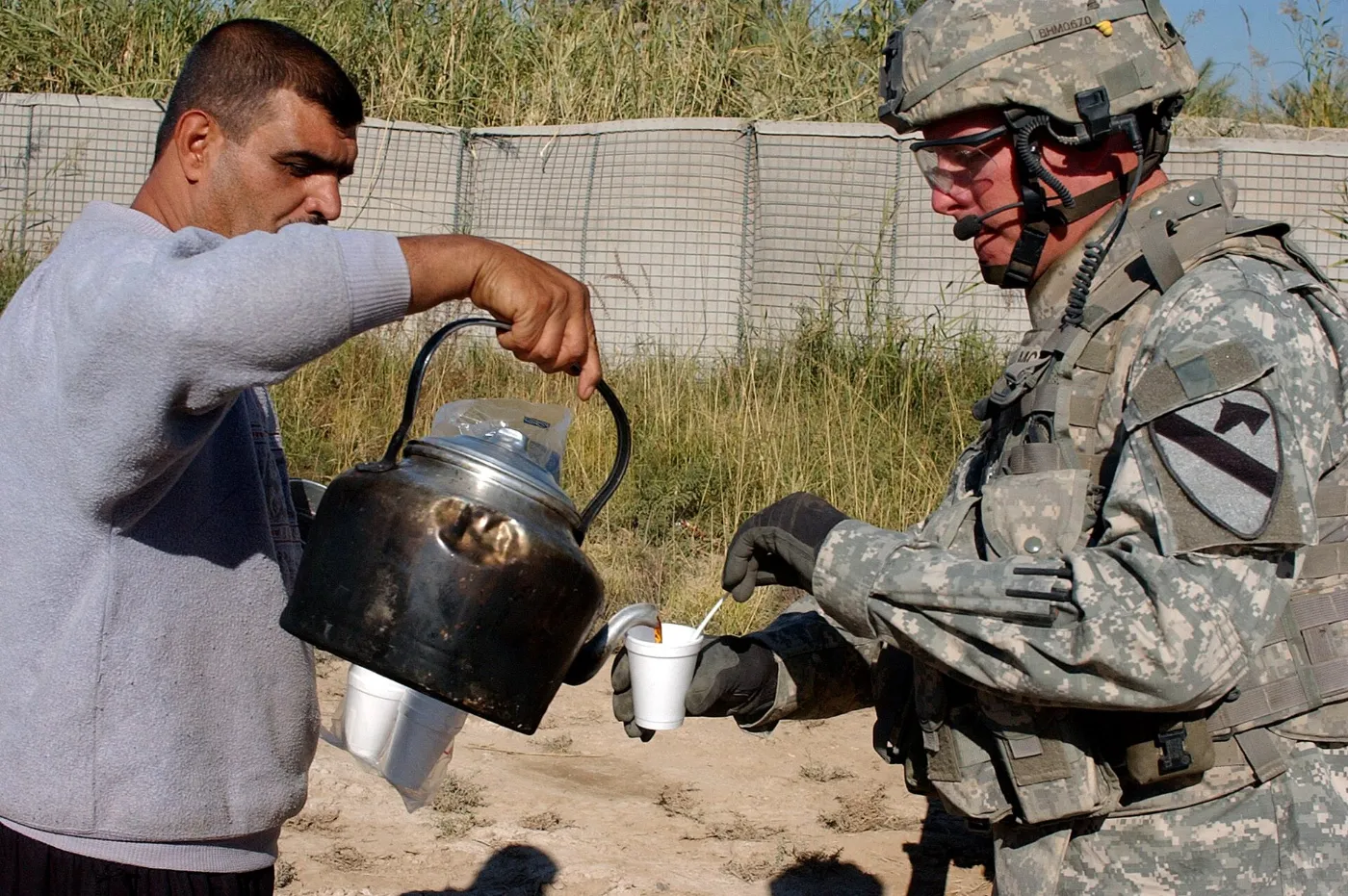
What to drink with the story of tea in the desert
For the tank crews: a builder’s brew. Strong black tea, a splash of milk and two sugars, made fast and drunk hot. Use a steel mug, like the Stanley camp mug. Please skip the sand and petrol.
For the people who lived there: Iraqi chai. Brew strong black tea, ideally a Ceylon, with one or two crushed cardamom pods. Let it stew gently until it is dark. Then serve it very sweet, in small tulip glasses on a saucer, like these ones, and offer a second one before the first is finished.
Questions about tea in the desert wars
A homemade stove used by British and Commonwealth troops in the North African desert in the Second World War. The bottom half of an empty fuel can was filled with sand, soaked with petrol and lit, and a second can on top boiled water for tea.
In the desert, “brew up” meant making tea on a petrol fire. A hit tank burning looked much the same, so British crews said it had “brewed up”. A tank destroyed by fire is still commonly called a brew-up.
Yes. Since the Centurion at the end of the Second World War, British tanks have a “boiling vessel” run off the vehicle’s electrics, used to heat water and ration tins. Challenger tanks had them in the 1991 Gulf War.
Strong and dark, often with cardamom and plenty of sugar, served in small glasses called istikan. Tea is Iraq’s most drunk drink after water.
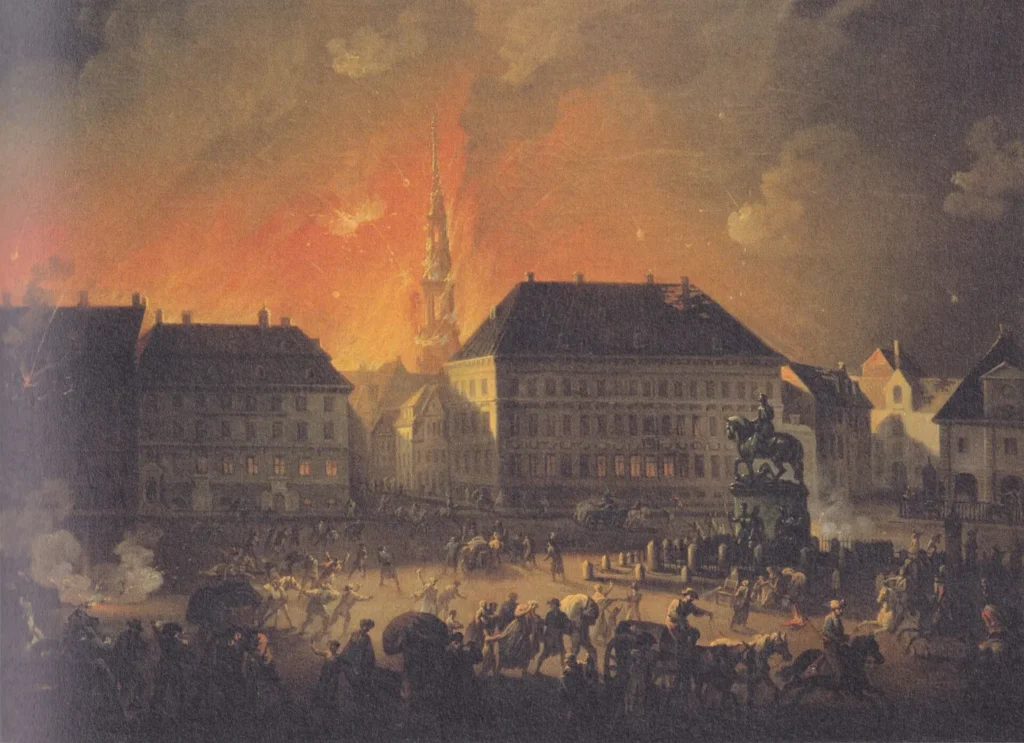
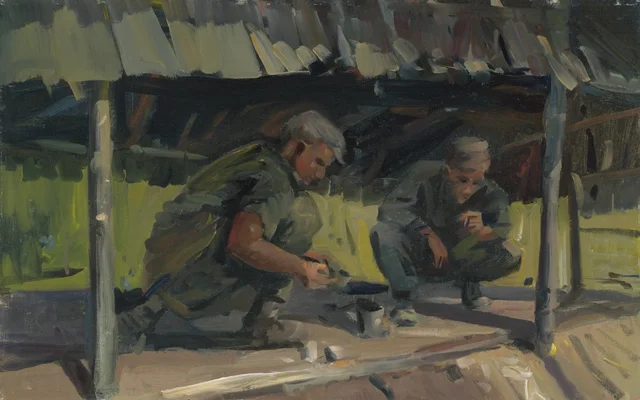
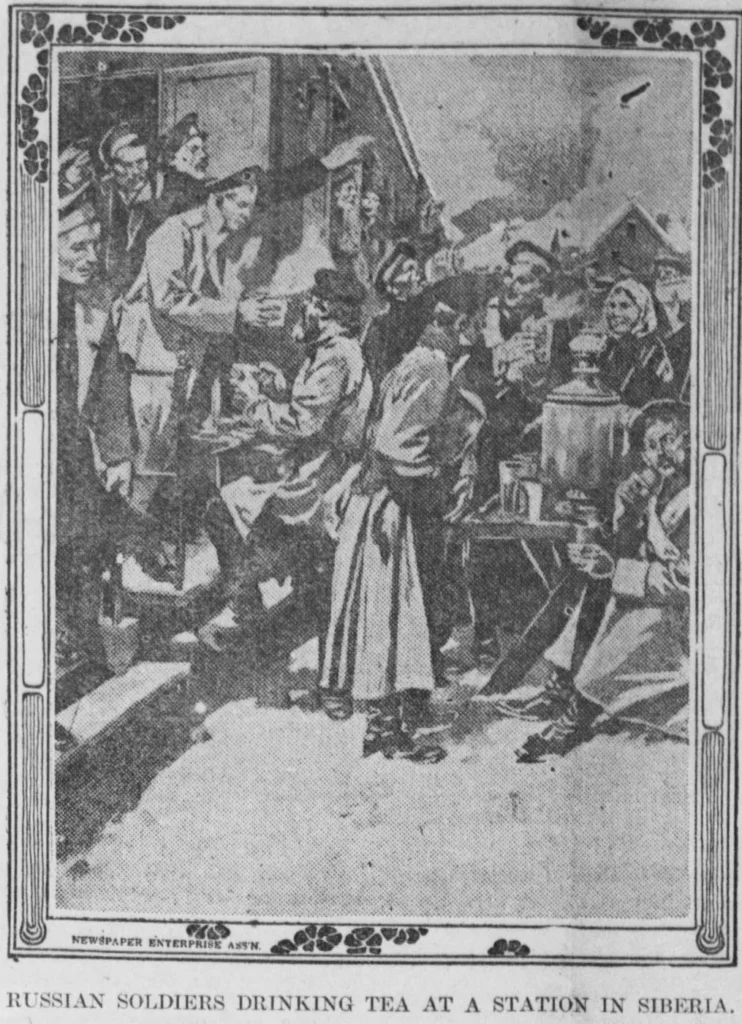
Go deeper: Tea in the Vietnam War · The Danish Tea Trade and the 1807 Bombardment of Copenhagen · What Cossacks and Russian Soldiers Really Drank
Sources
- Benghazi burner, Boiling vessel and Catastrophic kill, Wikipedia
- “Do British Tanks Have Tea-Making Equipment?”, Snopes
- 7th Armoured Brigade (United Kingdom), Wikipedia
- Dave Roos, “The Tanks of the Persian Gulf War”, History.com
- “Tea remains Iraq’s daily ritual despite scorching heat”, Shafaq News
- “Istikan: Arabic word for tea cup has a surprising origin”, The National (2022)
- Top image: Tom White, Brewing-up on a Fire of Sand and Petrol in the Libyan Desert, Second World War. Imperial War Museum, via Wikimedia Commons, public domain.
- Other paintings and photographs: Imperial War Museum and U.S. Department of Defense collections, via Wikimedia Commons