Ivan Chai: The Russian Fireweed Tea Once Banned as a Fake
Ivan chai is a Russian herbal tea of fermented fireweed leaves. Its past as banned Koporye tea, how it is made, what the EMA says and where to buy it.

This post contains affiliate links. If you buy through them, I may earn a small commission at no extra cost to you.
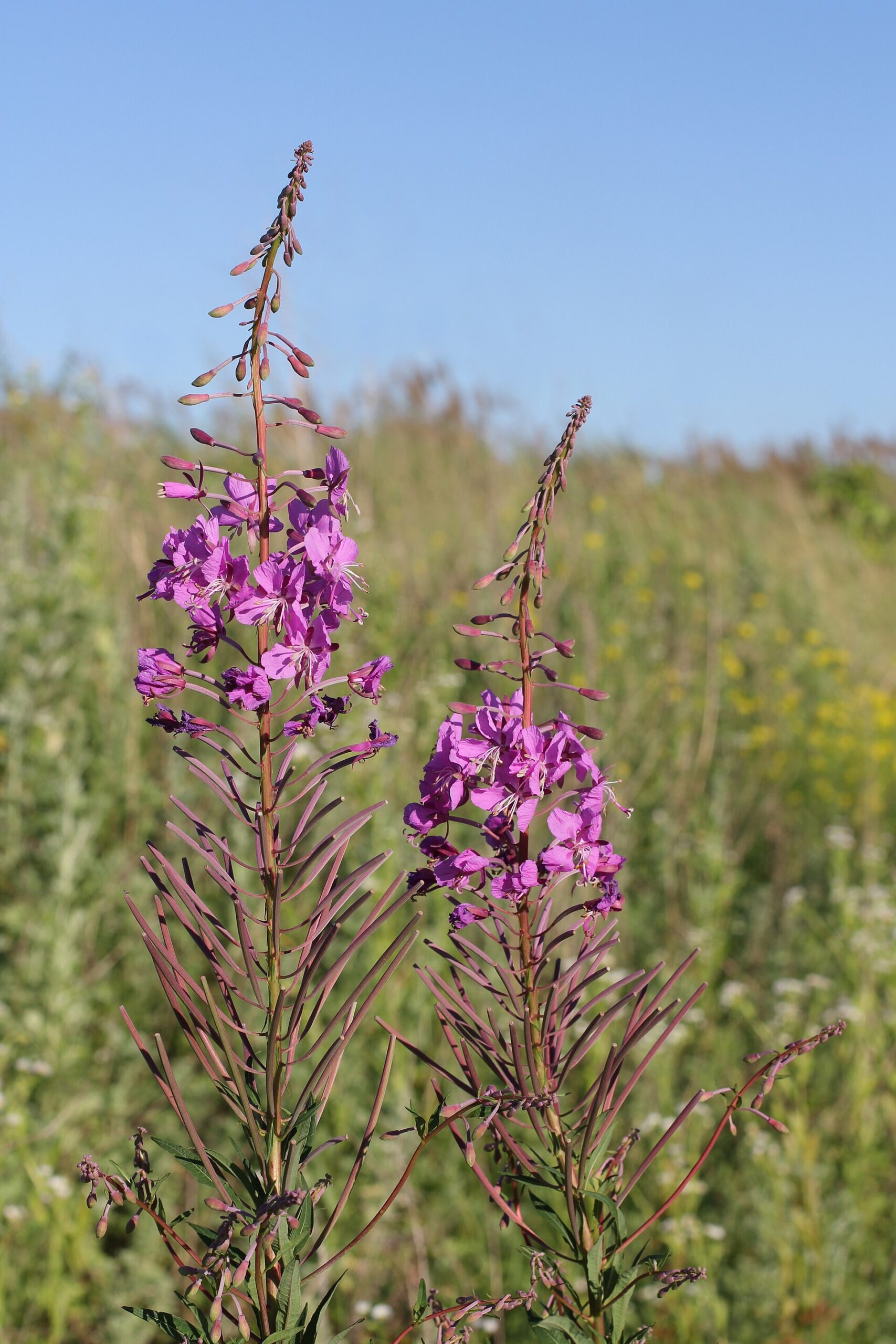
Ivan chai is a Russian herbal tea made from the leaves of fireweed, the tall pink wildflower that fills clearings and roadsides across the north. The leaves are rolled and fermented much as black tea is, and the result looks so much like black tea that for most of the 19th century Russian law treated it as a forgery. Today it is sold under its own name.
The short answer: Ivan chai, also called Koporye tea, is made from fermented leaves of fireweed (Chamaenerion angustifolium) and contains no leaf of the tea plant. In 19th-century Russia it was sold as counterfeit Chinese tea, and decrees of 1816, 1833 and 1839 restricted it. Since the 2000s it has come back as a herbal tea in its own right.
Where to buy Ivan chai: Sayan’s Ivan Chai, a 50 g pouch of fermented loose-leaf fireweed from the Etsy shop ChagaSayan, ships within the United States.
What is Ivan chai?
Ivan chai is the Russian name for both the plant and the drink. The plant is fireweed, or rosebay willowherb, Chamaenerion angustifolium, which older books file under Epilobium. BBC Wildlife lists a few more English names, including bombweed and blooming Sally.
The other name, Koporye tea, comes from Koporye, a village that BBC Wildlife places around sixty miles west of St Petersburg. Langscape Magazine describes it as a tea-manufacturing centre in the 19th century. What sets the drink apart from most herbal teas is the processing. As Russian Life puts it, most herbs are simply dried, while Ivan chai leaves are worked the way tea leaves are.
How old the habit is, nobody can show. Russian Life repeats a popular legend in which monks near Koporye served the drink to Alexander Nevsky, and dates it to the 12th century. BBC Wildlife says the tea is thought to go back to the twelfth or thirteenth century. Neither points to a document, so treat both as legend.
Why was Ivan chai banned in Russia?
Ivan chai was banned because it was being passed off as Chinese tea. Real tea came overland from China and was expensive (that story is in What Cossacks and Russian Soldiers Really Drank). Fermented fireweed looked the part and cost very little. According to Gateway to Russia, a pood of the leaves, 16.3 kg, sold for 1 to 3 rubles.
The same article gives the legal trail. Counterfeiting Chinese tea was first banned in 1816, the trade in counterfeits was banned in 1833, and in 1839 the Rural Police Charter for state peasants banned collecting fireweed at all. Chinese tea merchants had petitioned the government about small traders selling Koporye tea at high prices. A decree of Alexander I set fines and confiscation, with loss of rights and prison companies for repeat offenders. One detail is unclear: the article’s introduction says the 1816 decree banned Koporye tea itself, while its body says it banned counterfeit Chinese tea in general.
None of it worked very well. Gateway to Russia writes that in the middle of the century Russia imported about 360,000 poods of tea a year, almost 6,000 tons, and that Koporye tea circulated in comparable quantities. In 1888 two producers, Alexander and Ivan Popov, were tried for it. Alexander Popov took the blame, lost his rights and was exiled to Tomsk province for life.
The fraud was not only Russian. Russian Life notes that the adulterated tea was sold on cheaply to Europe, which did the drink’s reputation no good. And BBC Wildlife cites a British parliamentary investigation of 1835 that found more than four million pounds of fictitious tea had been sold in Britain, much of it made from rosebay willowherb and sloe leaves.
How is Ivan chai made?
Ivan chai is made in four steps: wilt the leaves, roll them, let them ferment, then dry them. The BBC Wildlife recipe, taken from David Hamilton’s book Where the Wild Things Grow, wilts the stripped leaves for 4 to 5 hours in sun or 12 hours under cloud. They are then rolled a few at a time into small balls, covered in a ceramic bowl and left for anything from six hours to four days. Drying takes 4 to 12 hours in a dehydrator or the lowest oven setting.
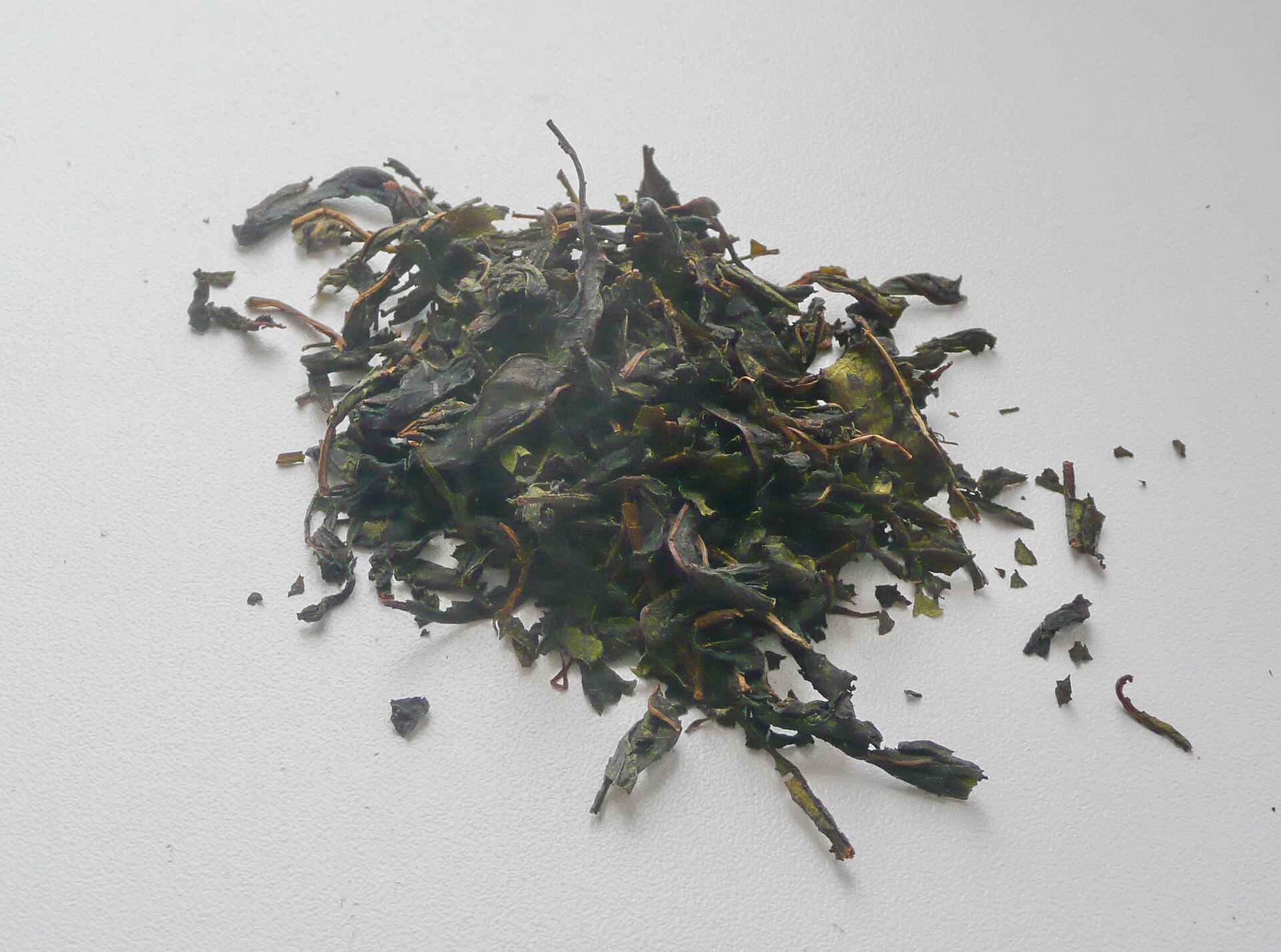
The Russian festival recipe recorded by Langscape Magazine is close to that. Leaves are kneaded by hand until the juice comes out, left in a bag or box for a day or two until they smell fruity, then dried in an oven at 40 to 60 °C. The fermenting step changes the leaf. A 2025 review in the journal Molecules reports that fermentation raises the levels of several of fireweed’s polyphenols, including oenothein B, gallic acid and ellagic acid.
The same Langscape article dates the revival. In 2006 Tatiana Ilinich gathered a small group to bring the craft back, and the festival that grew out of it had been held 13 times when the article was written, around Kupala Night in late June, in the Nizhny Novgorod region and elsewhere. Russian Life adds a darker chapter in between: during the Siege of Leningrad, people fermented fireweed the way black tea is fermented. For the wider picture, see tea facts about Russia.
Does Ivan chai have caffeine, and is it safe?
Ivan chai is sold as caffeine-free, and BBC Wildlife describes it that way, since fireweed is not related to the tea plant. The scientific papers read for this article list tannins, flavonoids and phenolic acids but report no caffeine measurement.
On health, the careful answer is that very little has been tested in people. The European Medicines Agency’s assessment report on willowherb, dated 24 November 2015, mentions the Russian use of “Ivan tea” and accepts the herb as a traditional herbal tea for one purpose only: relief of lower urinary tract symptoms related to benign prostatic hyperplasia, after a doctor has ruled out serious conditions. That rests on long-standing use. The report states that there are no clinical data from which conclusions on efficacy can be drawn.
The same report says no adverse events have been reported so far, but also that there are no data for pregnancy, breastfeeding or children, and that use during pregnancy and lactation cannot be recommended. People with a known hypersensitivity to willowherb should avoid it. The Molecules review likewise notes the lack of clinical trials. A 2025 paper by Mykhailenko and colleagues simply calls fermented fireweed leaves a traditional tea-like beverage, which is a fair way to drink it. Like Sagan Dayla, it is a herb with more tradition than trials behind it.
Where to buy Ivan chai
Outside Russia, Ivan chai is mostly sold online. One option that ships within the United States is Sayan’s Ivan Chai on Etsy, a 50 g pouch of loose leaf from the shop ChagaSayan. The listing gives the material as high fermented willowherb, Chamaenerion angustifolium, says it is wild-harvested in Siberia, and shows it shipping from Los Angeles. It was in stock on 22 November 2026.
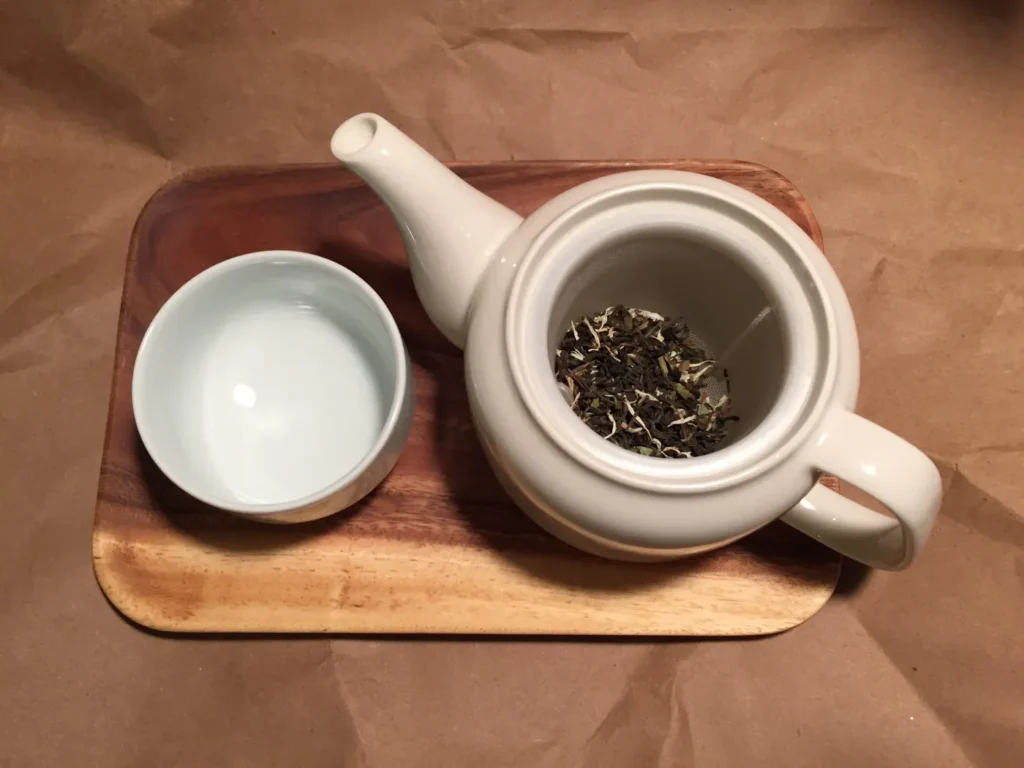
To brew it, the EMA report describes the traditional tea as 1.5 to 2 g of the herb in 250 ml of boiling water.
Questions about Ivan chai
Ivan chai is made from the leaves of fireweed (Chamaenerion angustifolium), a tall pink wildflower also called rosebay willowherb. The leaves are wilted, rolled, left to ferment and then dried. Ivan chai contains no leaves of the tea plant.
Ivan chai is made from fireweed, not from the tea plant, and is sold as a caffeine-free herbal tea. BBC Wildlife describes it as caffeine-free. The scientific reviews read for this article in November 2026 did not report a caffeine measurement.
Ivan chai is called Koporye tea after the village of Koporye, west of St Petersburg, where fireweed leaves were collected and processed in the 19th century. Russian decrees of 1816, 1833 and 1839 restricted Koporye tea because it was sold as fake Chinese tea.
Read next
- Sagan Dayla: the Siberian rhododendron tea
- Butter tea around the world: from Tibetan po cha to Kalmyk jomba
- What Cossacks and Russian soldiers really drank: how real tea reached Russia
Sources
- “How tea was once counterfeited in Russia”, Anna Popova, Gateway to Russia, 2024
- “The Teas of Russia”, Alexandra Curtis, Russian Life, 2021
- “Celebrating Body and Soul: A Tea-Making Festival Reunites Russians with Their Cultural Traditions”, Mariia Ermilova and Tatiana Ilinich, Langscape Magazine
- “How to make rosebay willowherb tea (Ivan’s tea)”, David Hamilton, BBC Wildlife, 2022
- Assessment report on Epilobium angustifolium L. and/or Epilobium parviflorum Schreb., herba, European Medicines Agency, EMA/HMPC/712510/2014, 2015
- Kozhantayeva et al., “Phytochemical Insights and Therapeutic Potential of Chamaenerion angustifolium and Chamaenerion latifolium”, Molecules 30(5), 1186, 2025
- Mykhailenko et al., “The phenology of Epilobium hirsutum L.”, 2025
- Top image: fireweed at Zehnova village, Kenozero National Park, Arkhangelsk region, AnnAkilova, 2016, via Wikimedia Commons, CC BY-SA 4.0