Why Nepali Tea Is Becoming More Popular Among Specialty Tea Drinkers
Nepal has quietly become one of the most interesting tea-producing regions in the world. While countries like China, India, Japan, and Taiwan often dominate the conversation around specialty tea, Nepali tea has been steadily gaining recognition among tea drinkers looking for something a little different.
I was first introduced to Nepali tea several years ago when a tea company reached out to me to share more about their teas and the growing tea culture in Nepal. At the time, I realized that while I was already familiar with many traditional tea origins, Nepal was still relatively unknown to a large number of specialty tea drinkers.
Since then, interest in Nepali tea has continued to grow thanks to its high-altitude gardens, small-scale production, and refined flavor profiles.
Tea from Nepal is still relatively rare on the global market, yet many tea enthusiasts compare its finest harvests to Darjeeling because of the high elevations, complex aromas, and delicate character of the leaves. At the same time, Nepali tea has developed a distinct identity of its own.
Around that time, I also noticed how many tea-related Kickstarter campaigns were beginning to appear. While some focused on tea accessories and brewing gadgets, the projects I found most interesting were the ones highlighting tea origins, producers, and regional tea culture.
Several successful campaigns helped bring greater attention to specialty tea through storytelling, education, and direct sourcing. Projects such as Tea Journey Magazine by Dan Bolton, and Young Mountain Tea are good examples of how crowdfunding introduced more tea drinkers to lesser-known tea regions and producers.
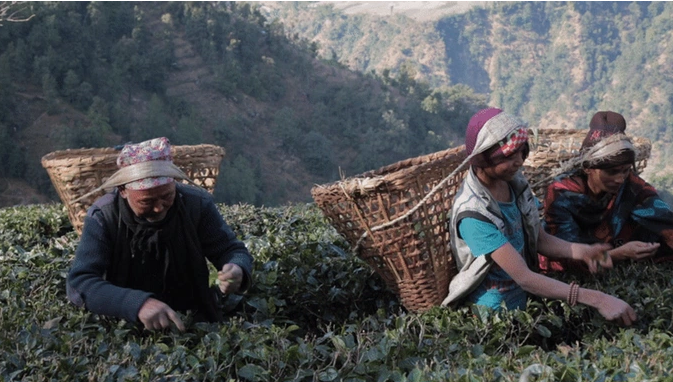
At the time, one of the challenges facing many Nepali tea producers was international visibility. For years, a portion of Nepal’s tea production moved through neighboring India before reaching global markets, which often left Nepali tea without clear recognition as its own origin.
Companies such as Nepal Tea helped bring more attention to estates like the Kanchanjangha Tea Estate by focusing on direct sourcing and highlighting the identity of Nepali tea itself rather than treating it as part of a broader regional market.
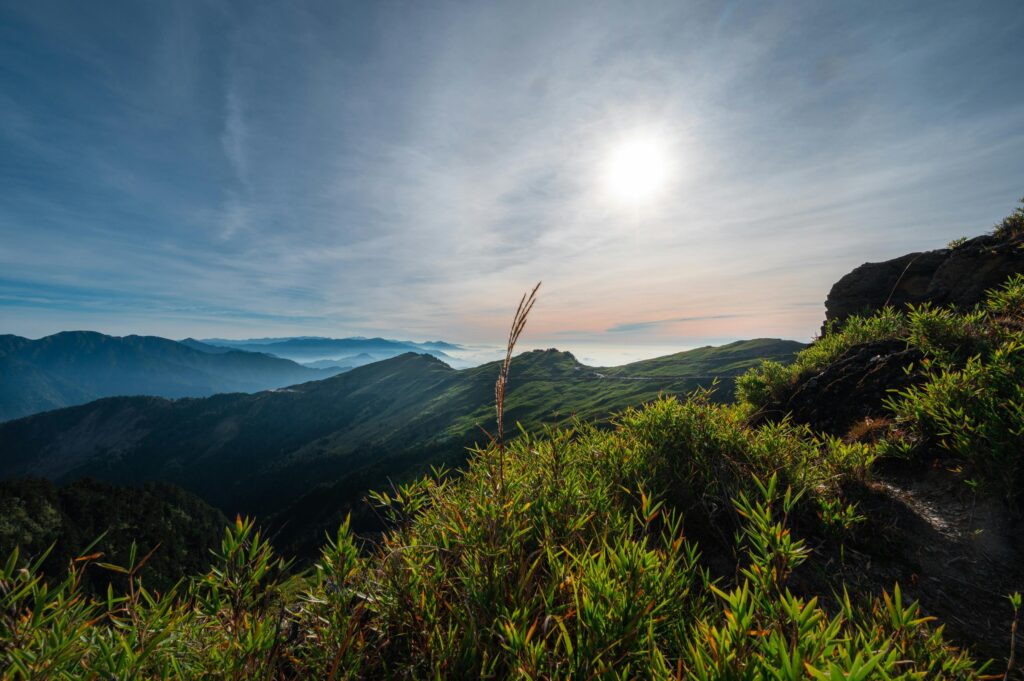
The estate, located in the foothills of Mt. Kanchanjangha, became known for producing high-altitude organic teas with a distinctive Himalayan character that appealed to specialty tea drinkers looking for lesser-known tea origins.

Why Nepali Tea Drew Attention on Kickstarter
Around that time, several tea-related Kickstarter campaigns began appearing online. Many focused on brewing accessories and tea gadgets. The projects that interested me most, however, were the ones centered around tea origins, producers, and regional tea culture.
Crowdfunding gave smaller tea companies a way to introduce specialty teas to a wider audience. It also helped tea drinkers discover lesser-known tea regions such as Nepal.
Projects like Tea Journey Magazine and Young Mountain Tea helped bring more visibility to specialty tea through storytelling, education, and direct sourcing.
Direct Sourcing and Nepali Tea
At the time, many Nepali tea producers struggled to gain international recognition. Some teas were exported through neighboring India before reaching global markets. As a result, Nepali tea often lacked visibility as its own origin.
Companies focusing on direct sourcing helped change that. Estates such as the Kanchanjangha Tea Estate became better known among specialty tea drinkers interested in Himalayan teas and smaller tea producers.
The region is known for producing high-altitude organic teas with floral aromas and delicate flavors.
Why High-Altitude Tea Matters
Tea grown at higher elevations develops more slowly because of cooler temperatures and mountain conditions. Many tea experts believe this slower growth contributes to greater flavor complexity.
Marty Kushner, former chairman of the Tea Association of the USA, described it this way:
“The higher the altitude, the slower the growth of the tea plants. The slower the growth, the finer the quality of the tea.”
This is one reason high-altitude Nepali tea has become increasingly appreciated within the specialty tea community.
Rare and Lesser-Known Tea Origin
Nepal produces only a small percentage of the world’s tea. Because of this, many Nepali teas remain relatively unknown outside specialty tea circles.
That rarity is also part of the appeal. Tea drinkers looking for new origins often explore Nepali black teas, green teas, white teas, and oolongs for their distinctive Himalayan character.
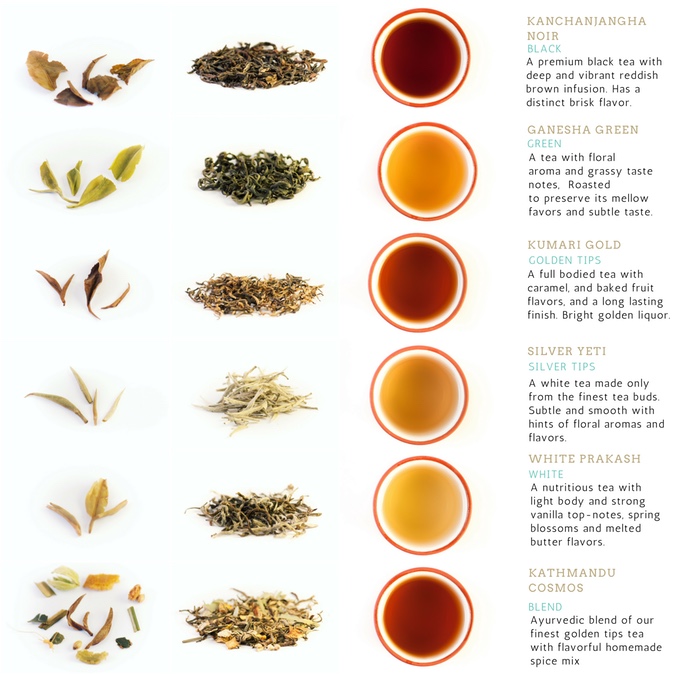
If you’re curious to read more reviews, I would recommend you check out Heather’s review on the Green Pearls, CuppaGeek’s post on the Silver Yeti, and John’s posts on the black and Oolongs teas as well as the Gold tips and Green teas.
Products I’ve Tried Over Time
Read next
- Taiwan’s high mountain oolong — the hidden story of gaoshancha
- Jungpana Darjeeling — a Golden Tips review
- Where to buy loose tea online — 24 shops, organized by specialty
New here? Start Here for the shortest path through the blog.