Tea Spaces in NYC Continue to Evolve
Tea Spaces, Minimalism and Modern Tea Culture
I came across several tea-related stories that felt connected in an unexpected way. Each one explores a different side of modern tea culture. For example, one focuses on Pu’er sourcing in Yunnan, while another highlights minimalist tea spaces in Japan. At the same time, I also noticed how tea shops in New York City continue to evolve.
Exploring the World of Pu’er Tea
One of the most interesting articles I read came from Max Falkowitz. He explores Pu’er tea sourcing in Yunnan Province and meets a pretty well known Tea Guy in the Tea blogging community.
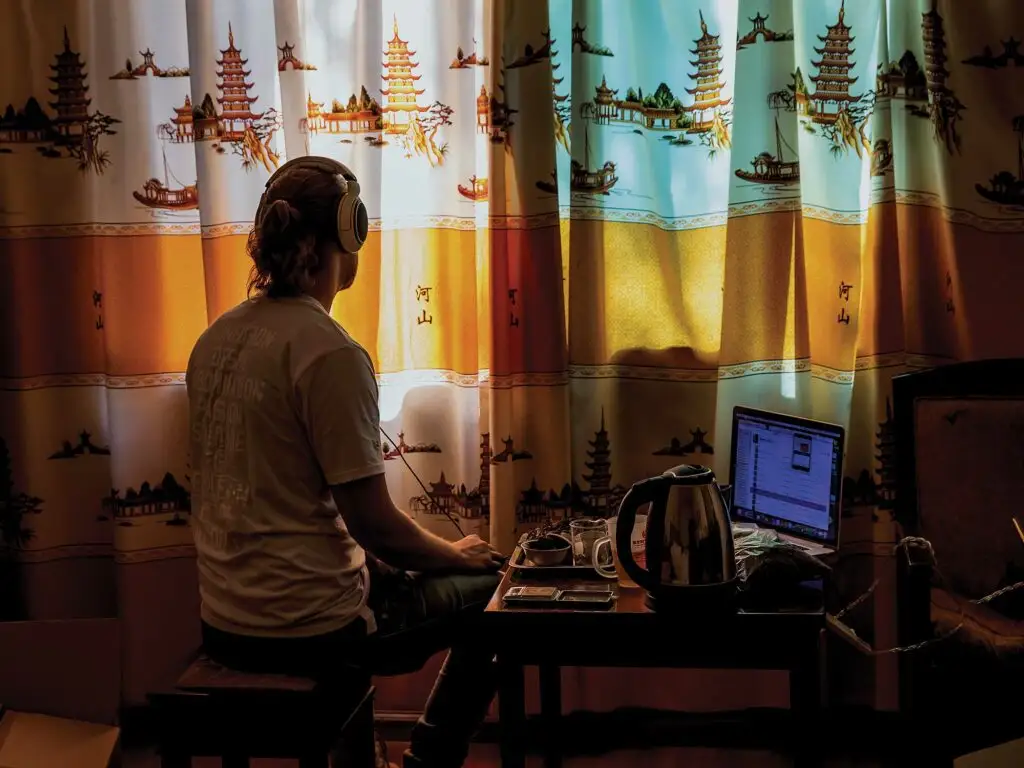
The article looks at Pu’er through the perspective of Paul Murray (pictured above, photo from the actual article) from White2Tea. It also takes a closer look at tea mountains, old arbor trees, and the complexity of sourcing tea in Yunnan.
Speaking of White2Tea, I just subscribed to their monthly club, after more than a decade. Paul knows his tea!
Japanese Minimalism and Tea Spaces
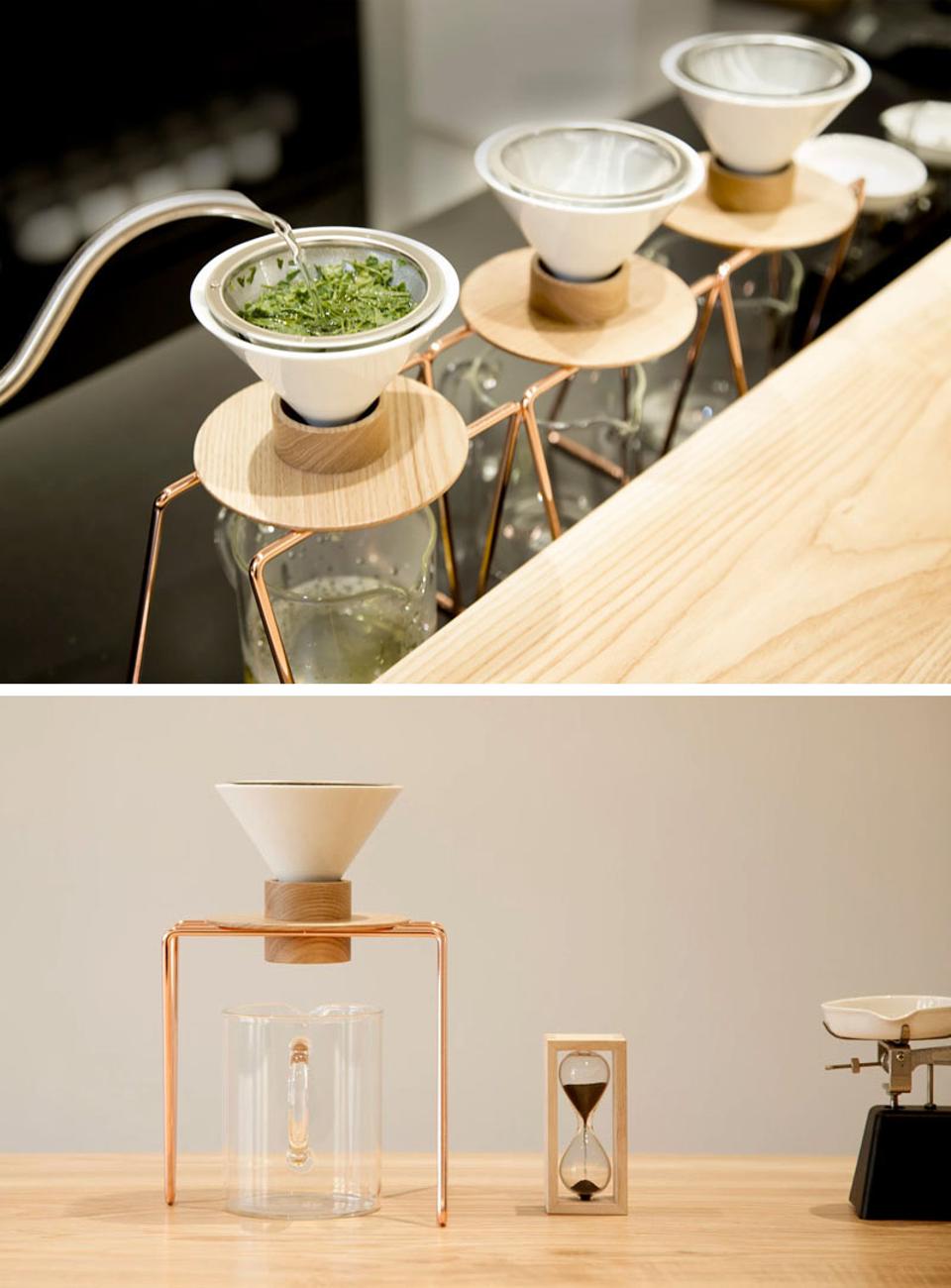
Another tea space that stood out to me is Tokyo Saryo. This minimalist tea shop in Japan focuses on atmosphere, design, and precision.
The space feels quiet and intentional. Everything slows the tea experience down instead of speeding it up.
I have always been drawn to minimalism. Because of that, I find it interesting how naturally it connects with tea culture and design.
The Evolution of Tea Spaces in New York City
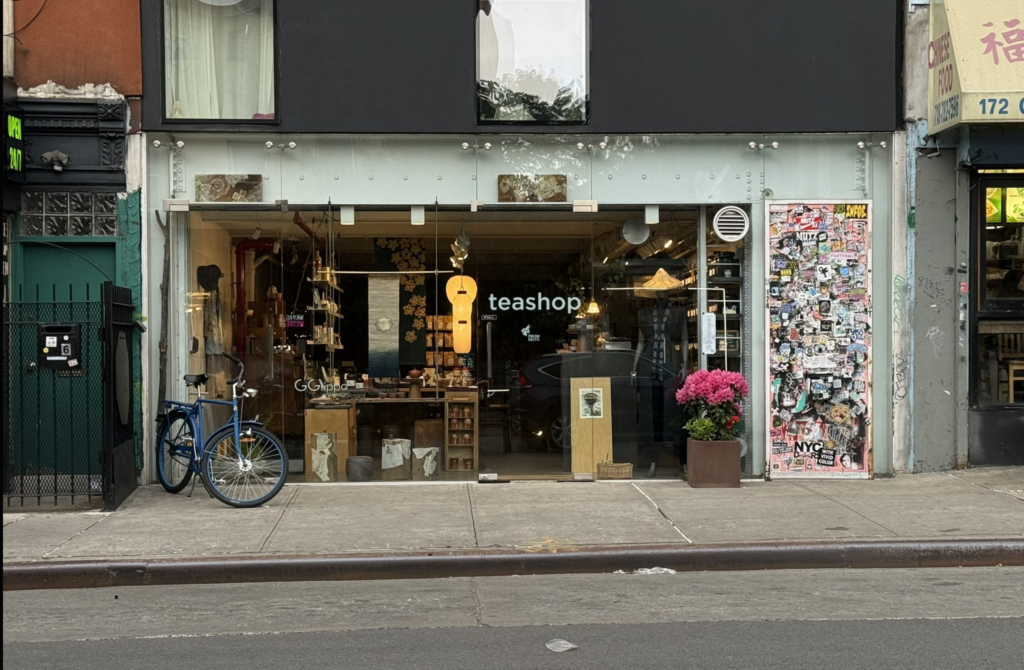
Back when I first wrote this post, the tea scene in New York City was still relatively small compared to today.
Since then, it has expanded significantly. There are now matcha cafés, gongfu tea spaces, Taiwanese tea shops, and modern tea bars across the city.
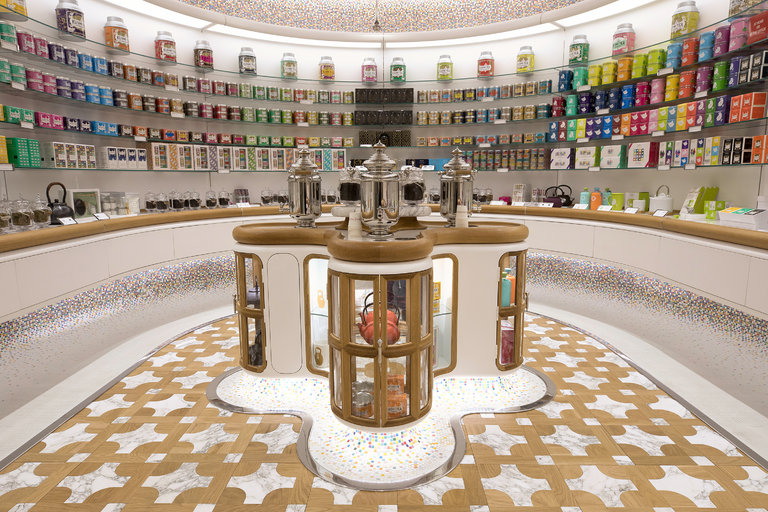
At the time, I was curious to see Kusmi Tea open a store inside the Oculus.
Different Expressions of Modern Tea Culture
What stands out across all these examples is how differently tea culture can express itself depending on place and context.
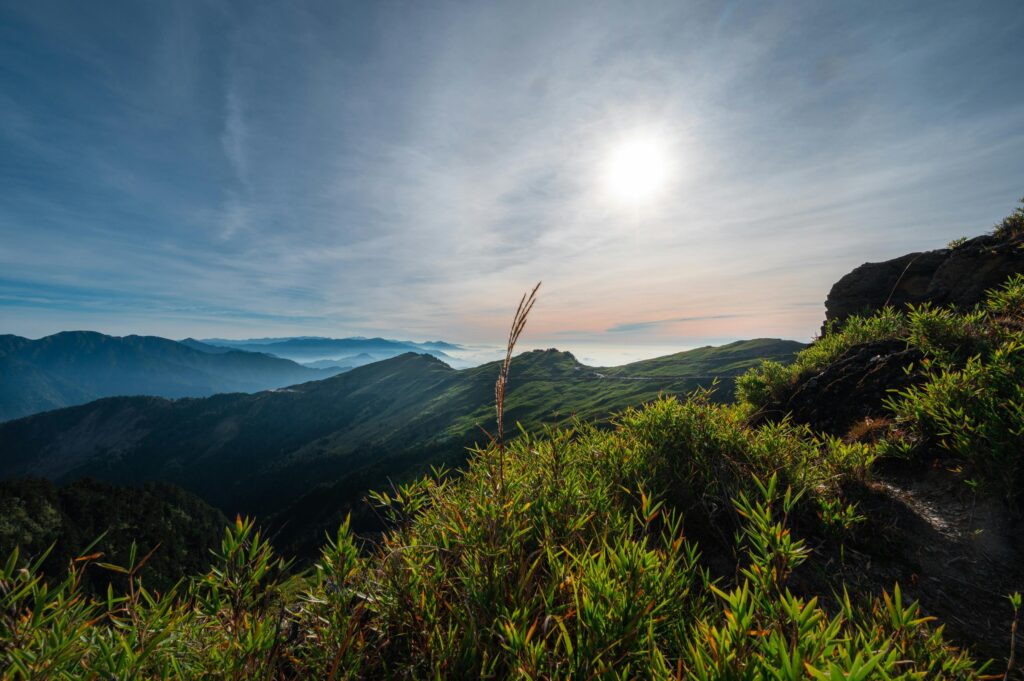
In one case, tea is tied to remote mountains and old trees. In another, it becomes part of minimalist design. Elsewhere, it is integrated into modern retail and fast-paced urban life.
Tea continues to evolve while still carrying traces of history, identity, and geography. It currently has its challenges as the world and trade is evolving and becoming challenging.
Read next
- Puerh Brooklyn in Williamsburg — a hidden tea shop with serious pu’er and maté
- Matcha in NYC — ten years of tasting matcha across the city
- The 5 best tea shops in NYC — the overview, by neighborhood
New here? Start Here for the shortest path through the blog.