5 Best Books About the History of Tea
This post contains affiliate links. If you buy through them, I may earn a small commission at no extra cost to you. As an Amazon Associate I earn from qualifying purchases. I only recommend things I genuinely use or love.
The five books I recommend on tea history are The Classic of Tea by Lu Yu, The Tea Cyclopedia by Keith Souter, Tea: The Drink That Changed the World by Laura C. Martin, Darjeeling by Jeff Koehler, and A Brief History of Tea by Roy Moxham. Start with Moxham for the global story, and read Lu Yu to see where tea writing began.
Recently, I came across many posts recommending The Book of Tea by Okakura Kakuzō as a must-read classic. However, I have not read it yet.
At the same time, I find myself more drawn to the origins of tea in China. While I respect Japanese tea culture, I am primarily interested in where tea truly began.
So, I started asking my Chinese friends about tea. Interestingly, they all mentioned the same book first: The Classic of Tea by Lu Yu.
I have not read the full translation yet. However, I have explored its main ideas and historical context. Even through summaries, its importance is clear.
Because of this, I wanted to create a short and accessible reading list. If you are curious about tea, its history, and its cultural significance, these books are a great place to start.
Best Books About Tea History and Culture
Here are five books about tea to explore, from global history to deeper cultural insights:
5. A Brief History of Tea
by Roy Moxham. First published in 2003 as Tea: Addiction, Exploitation and Empire.
A clear and engaging introduction to tea’s global journey.
This book explains how tea spread from China to the rest of the world and became a daily habit for millions.
👉 Check price and availability on Amazon
4. Darjeeling: The Colorful History and Precarious Fate of the World’s Greatest Tea
by Jeff Koehler (2015)
This book focuses on one of the most famous tea regions in the world.
At the same time, it explores colonial history, economics, and the challenges tea producers face today.
→ View this book on Amazon
3. Tea: The Drink That Changed the World
by Laura C. Martin (2007)
If you want a broader perspective, this is a strong choice.
It shows how tea influenced trade, culture, and global history in unexpected ways.
2. The Tea Cyclopedia
by Keith Souter (2013)
This is a more practical and visual guide.
In addition to history, it covers tea varieties, preparation methods, and everyday enjoyment.
→ Explore this book here
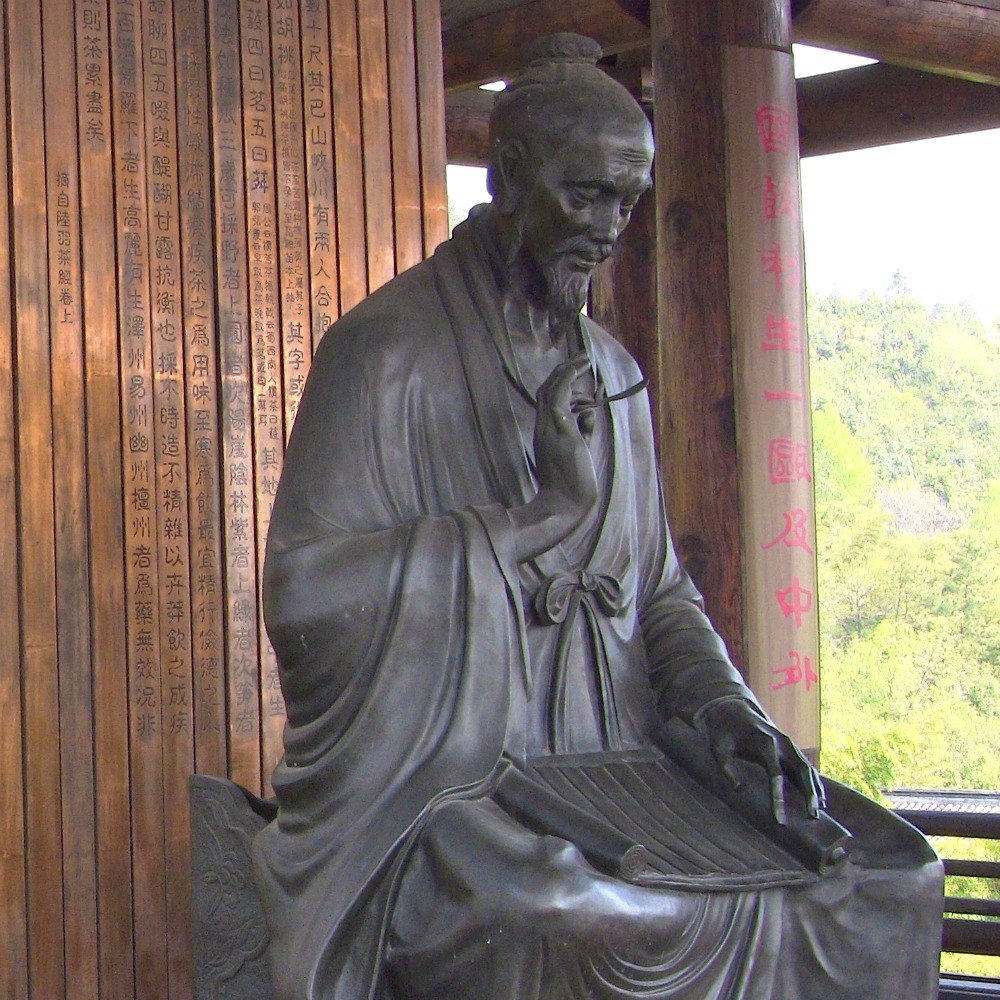
1. The Classic of Tea
by Lu Yu
This is where it all begins.
Written around 760 to 762 CE, during the Tang dynasty, in ten chapters, this is the first known book entirely dedicated to tea.
It explains how tea was grown, prepared, and appreciated in ancient China. English translations include Francis Ross Carpenter’s (1974).
More importantly, it reflects a way of thinking about tea that goes beyond the drink itself.
→ Get The Classic of Tea
Why is The Classic of Tea still worth reading?
Lu Yu’s work is not just a historical document. Instead, it offers a foundation for understanding tea as a cultural practice. While Japanese tea culture refined ritual and aesthetics, Chinese tea culture preserves the origin story. Because of this, reading The Classic of Tea gives you a deeper perspective on everything that came after.
Which tea history book should you read first?
Start with A Brief History of Tea by Roy Moxham for the global story. Then read The Classic of Tea to see where tea writing began.
If you are serious about tea, you eventually return to its roots.
These books offer different entry points. However, together they help you see tea not just as a drink, but as a cultural legacy shaped over centuries.
Frequently asked questions
The Classic of Tea (Cha Jing) by Lu Yu, written around 760 to 762 CE.
A Brief History of Tea by Roy Moxham, for a readable account of how tea spread from China.
Okakura Kakuzō’s The Book of Tea is an essay on Japanese tea aesthetics, not a history.
Read next
- The ancient tea trees of Yunnan — where Chinese tea’s oldest living history still grows
- Tea vs cha — why the world uses two words for tea
- Russian tea culture — history and samovar traditions
New here? Start Here for the shortest path through the blog.