Is the Coffee and Tea Festival NYC Still Happening? What Became of It and Its 2019 Tea Booths
Short answer: as far as I can tell, no. The Coffee and Tea Festival NYC came back once after the pandemic, in February 2022, and I couldn’t find a confirmed edition since. If you were hoping to spend a weekend tasting tea in Brooklyn, I list some places to do that further down.
I went in March 2019, at the Brooklyn Expo Center in Greenpoint, and took photos of a handful of tea booths and the floor map. Seven years later those photos turned out to be a useful snapshot. Some of those brands grew, some vanished, and one tea that was a niche thing then is now so popular it’s hard to buy. Here is each booth then and now, and what it tells you about buying tea today.
The festival
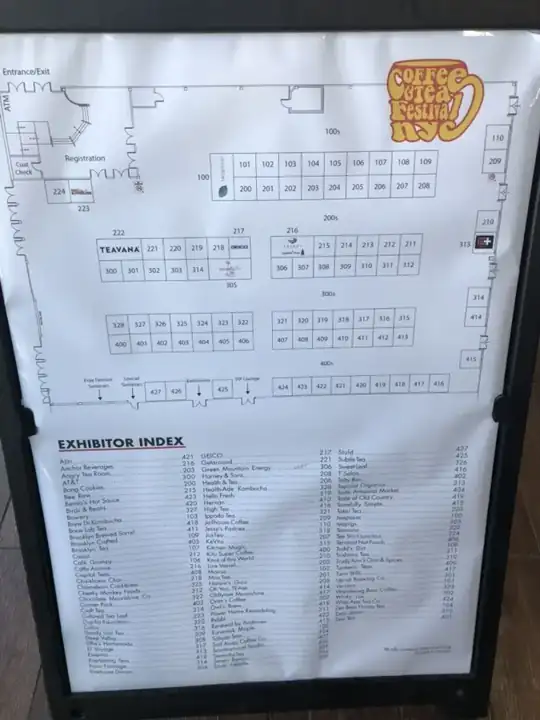
2019: Four aisles of booths, numbered 100 to 400, free seminars at the back and a VIP lounge. Tea stood next to cold brew, kombucha, donuts, hot sauce and, a little oddly, GEICO, AT&T and a window company.
2026: It returned for a 15th edition in February 2022. After that, I couldn’t find one. The closest thing in New York now is Coffee Fest, a trade show for café owners rather than a day out for tea drinkers. Its next New York show is March 7–9, 2027, at the Javits Center.
Mansa Tea (booth 201)
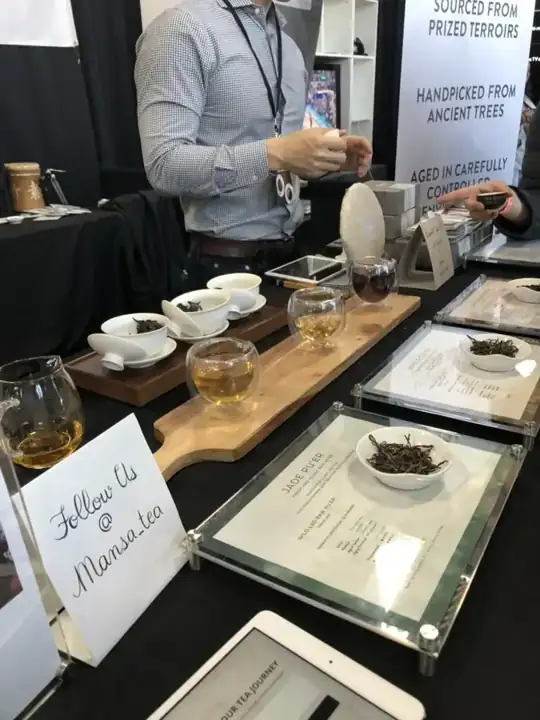
2019: A long tasting bar of gaiwans and glass cups, each tea on its own card with tasting notes and dots for fermentation, body, astringency and dryness. The one I photographed was a Wild Lao raw pu’er from spring 2018: Yiwu Mountain in Laos, 6,500 feet, trees 100 to 200 years old, notes of “Japanese iris, Brazilian nut, fig marmalade”. $32 for 19 servings, each good for 5 to 7 steeps.
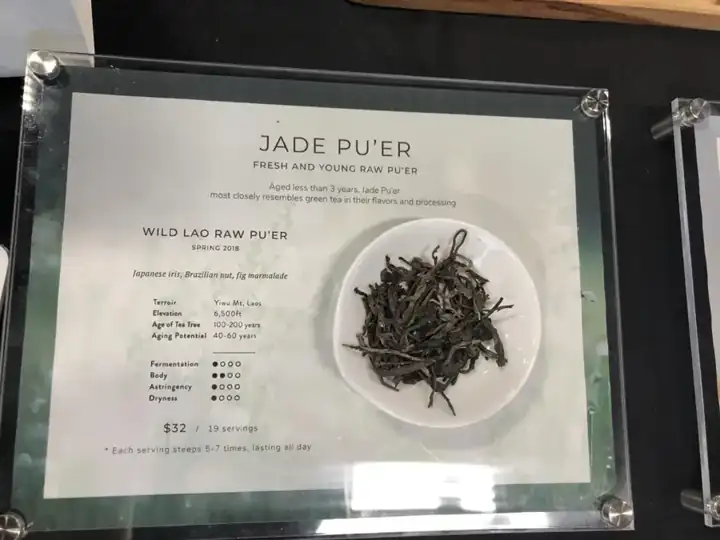
2026: Still in Brooklyn, still about aged tea. Mansa Tea now runs a lot of tastings: virtual ones, an introduction to pu-erh, and aged tea paired with chocolate, honey or cheese. That spring 2018 pu’er is eight years old now. Anyone who bought some in 2019 now has a deeper, mellower tea than the one they paid for, which is the whole point of raw pu’er. (More on old trees in ancient tea trees in Yunnan.)
Ippodo Tea (booth 209)
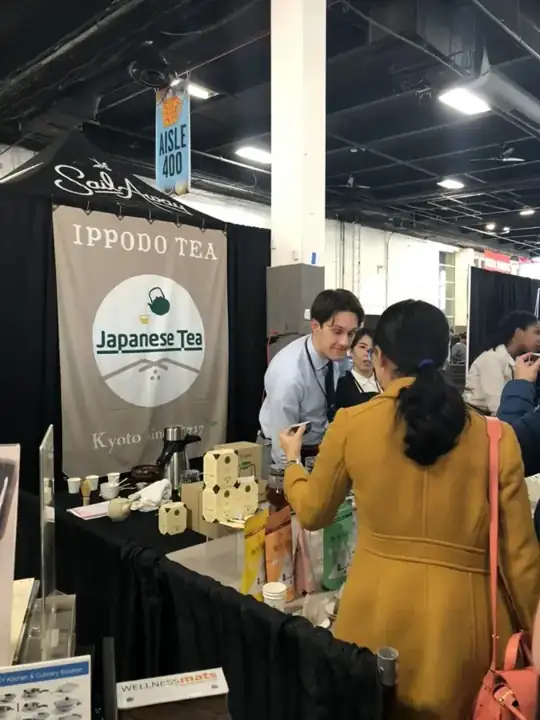
2019: The Kyoto tea house, around since 1717, pouring Japanese green tea under a big “Japanese Tea” banner. Matcha was something tea people cared about.
2026: Everyone cares about it now, and it’s getting harder to buy. U.S. retail matcha sales rose 86% in three years, and after a weak 2025 harvest in Japan one importer paid 75% more for top-grade matcha. Ippodo’s New York shop has closed, though it still sells online in North America. Where to drink it in the city: matcha in New York City. What to drink instead while prices are high: matcha alternatives.
Everlasting Teas (booth 314)
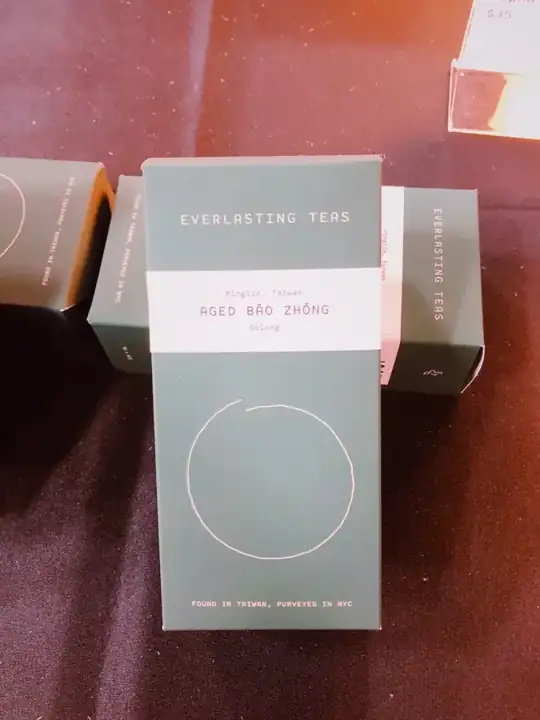
2019: Quiet green boxes with a hand-drawn circle and the line “Found in Taiwan, purveyed in NYC”. This one held an aged Bao Zhong from Pinglin, the lightly oxidized oolong I wrote about in a cup of Pouchong, but aged.
2026: I couldn’t find recent news of them. If you know where they went, let me know.
Teapasar (booth 100)
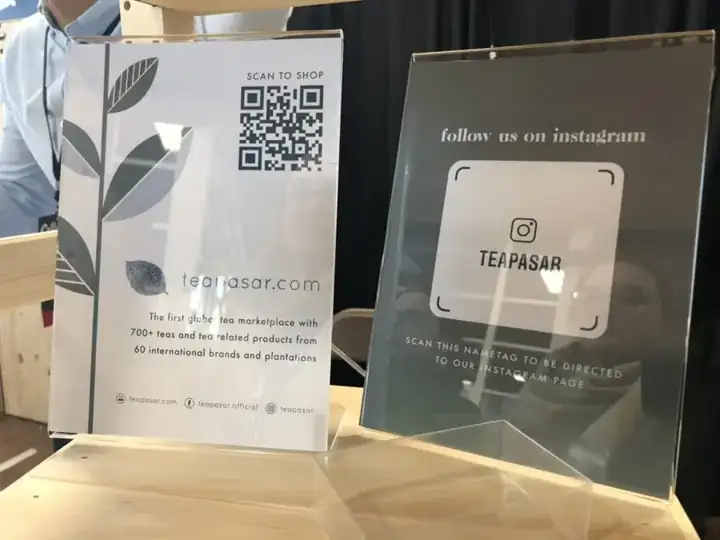
2019: Teapasar, from Singapore, called itself “the first global tea marketplace”: 700+ teas from 60 brands and plantations, one QR code to shop them all.
2026: When I checked, teapasar.com loaded an empty page, and I couldn’t find news of it from the last few years. Buying tea online didn’t go away, though. Most of us just buy straight from the tea company now. My list of where to buy loose tea online is the one I keep updated.
Zero Japan (booth 310)
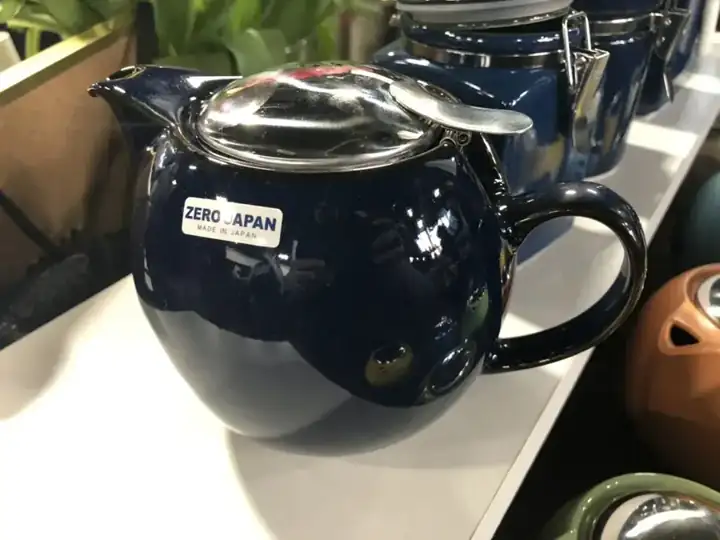
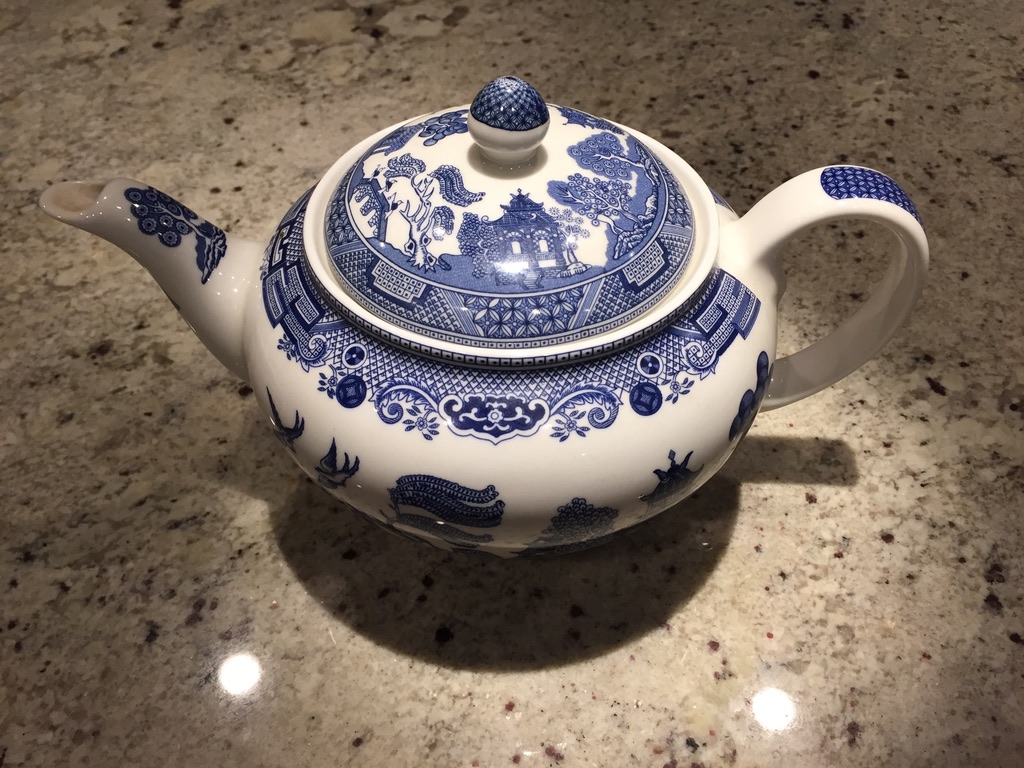
2019: Rows of round, glossy ceramic teapots with stainless steel lids and infusers, made in Japan.
2026: Nearly the same teapots, still in shops and online. Seven years is nothing for a good teapot.
Teavana (booth 222)
2019: Its name in big letters on the map, even though Starbucks had already closed every Teavana store.
2026: A name on a supermarket box. In 2018 Starbucks moved Teavana onto grocery store shelves, and the name lives on mostly there and on Starbucks menus.
What seven years taught me about buying tea
- The specialists lasted. The big chain became a grocery label and the everything-marketplace became an empty page. The small company that knew one kind of tea deeply is still pouring. When you find a seller like that, it’s worth sticking with.
- Aged tea is the rare purchase that gets better. A raw pu’er or an aged oolong bought in 2019, and stored well, has only gotten more interesting. A green tea from 2019 is not.
- Buy the teapot once. The same model is still sold seven years later.
- Trends make tea expensive. Matcha was a quiet booth in 2019. Now it’s in short supply. Hojicha, bancha and sencha haven’t had that moment yet, and they’re still cheap.
Where to taste tea in NYC without a festival
- Mansa Tea runs aged tea tastings and pairing workshops, the closest thing to that 2019 tasting bar.
- Puerh Brooklyn in Williamsburg has pu’er, maté and workshops.
- My favorite tea shops in NYC, and where to find good matcha in the city.
Were you at the Coffee and Tea Festival in 2019 or 2022? Or have you heard it’s coming back? Write to me, I’d love to hear.