Then and Now: Nepali Tea, 9 Years After the Kickstarter
In 2017 a Kickstarter promised Nepali tea a name of its own. Nine years on: a new trademark, a company still selling, and trouble at the Indian border.
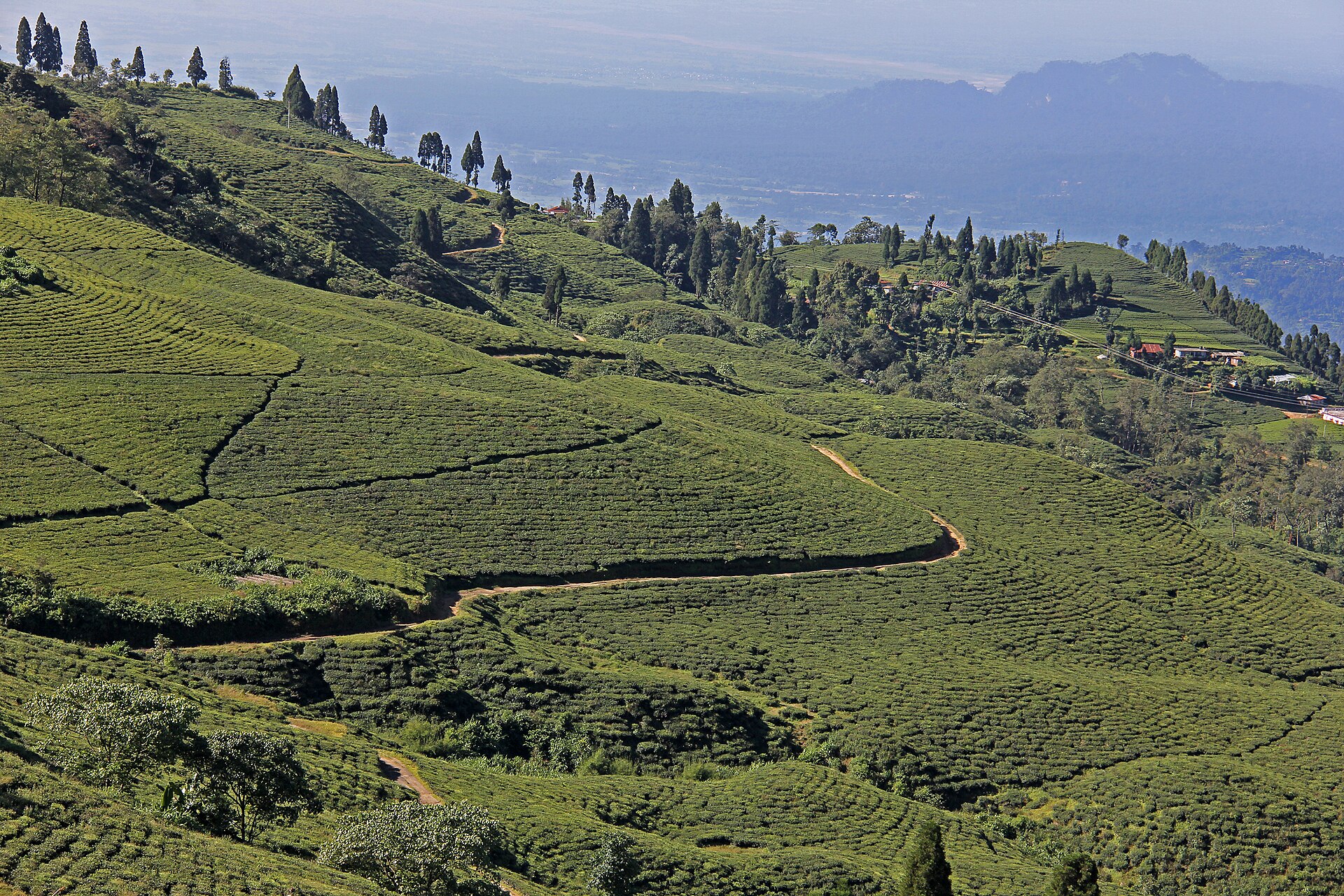
In February 2017 this blog published a post on why Nepali tea was getting more attention, prompted by a Kickstarter campaign from a young company called Nepal Tea. That post says part of Nepal’s crop “moved through neighboring India before reaching global markets” and so never got a name of its own. Nine years later, here is what became of the company, the campaign and the problem. This is part of Then and Now, a series that revisits old tea stories to see how they turned out.
The short answer: The company is still in business, now as Nepal Tea Collective, and the estate behind it still sells its black tea online. Nepal has had its own tea trademark in use since 2020. But most of the country’s fine tea still crosses the Indian border, and in 2026 that border got harder to cross.
What the 2017 story promised
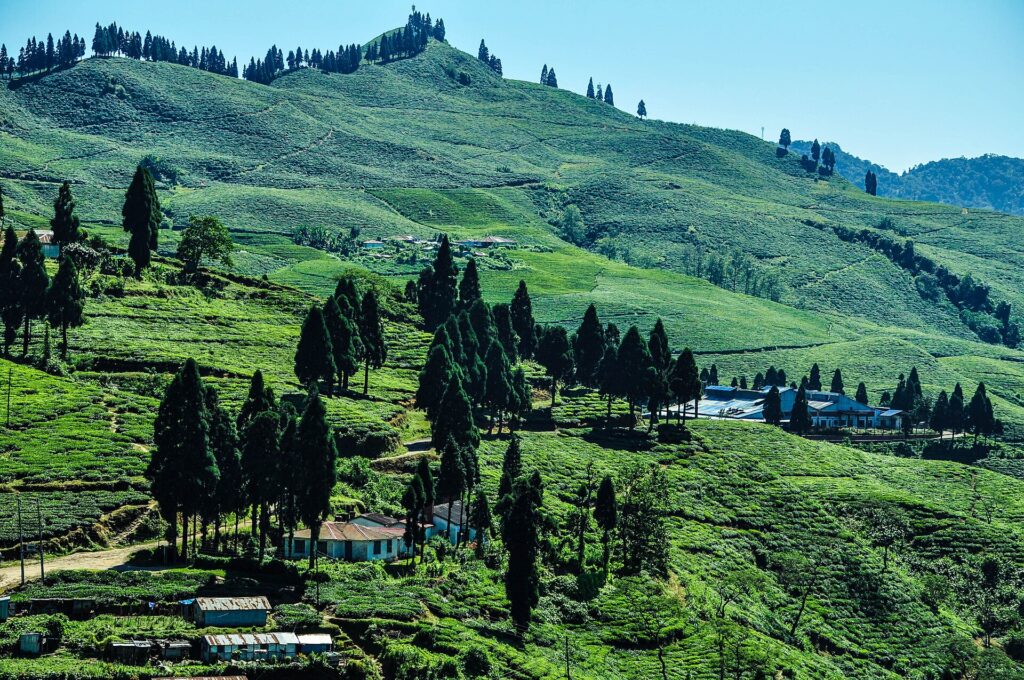
The campaign was the work of Nishchal Banskota, then 24 and a recent graduate of a New Hampshire college, who had set up Nepal Tea, LLC in Jersey City. That is how a Tea Biz profile by Dan Bolton described him at the time. His father, Deepak Prakash Baskota, built the Kanchanjangha Tea Estate in Panchthar district, north of Ilam. Its factory was completed in 1984, and the profile calls it the first tea garden in Nepal to achieve organic certification.
The plan was simple: sell the estate’s tea straight to American drinkers, with Nepal on the label. The profile also mentions a scholarship fund tied to the estate that had educated 2,300 students since 2002.
The early sources do not agree on everything. Tea Biz dates the company to May 2016 and counts 600 farmers at the estate. The company’s own blog post from July 2016 says it took off in March 2016 and gives the estate “about 100 farmers”. Either way, World Tea News ran a piece on 27 March 2017 under the headline Nepal Tea’s Kickstarter Campaign Exceeds Goal.
What happened to Nepal Tea next
It changed its name and kept going. In July 2023 the Kathmandu Post reported that Nepal Tea Collective, led by Banskota and Pratik Rijal, had been shipping orthodox Nepali tea since 2016, had buyers in more than 42 countries, and was starting to sell in Nepal itself. In a February 2024 interview, Rijal said the company had a team of 19 and 12 partnerships across Nepal.
As of November 2026 the online shop is open, offers free shipping on US orders over $64 and describes the company as B Corp certified. The estate’s black tea, formerly Kanchanjangha Noir, is now listed as Organic Himalayan Sunrise at $18 for 100 grams, in stock, and credited to the Kanchanjangha Tea Estate and Research Center.
Nepal got its own tea trademark
The 2017 complaint was that Nepali tea had no identity abroad. A year later, in February 2018, the Himalayan Times reported that a logo of mountains over the words “Nepali Tea Quality from the Himalaya” had been registered, and that Nepali orthodox tea had until then been exported under the Darjeeling logo. (The Kathmandu Post gives the wording as “Nepal Tea”.)
It took until September 2020 for the mark to be put to use, 157 years after the country started growing tea. Forty-two factories applied and 12 qualified. Growers were not all convinced: the organic certificate the mark requires costs a producer more than 500,000 Nepali rupees a year. By January 2024, 33 tea estates had obtained it.
The India problem did not go away
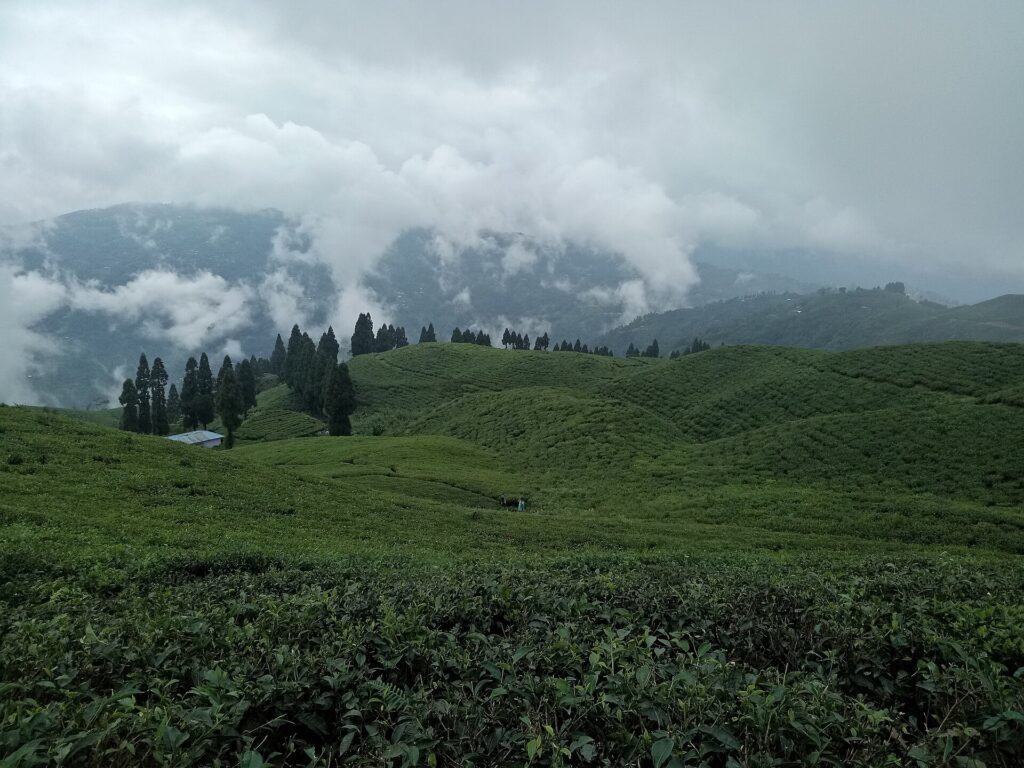
Nepal makes about 7 million kilograms of orthodox tea a year. About 6 million go to India and about 1 million everywhere else, according to Kathmandu Post figures from May 2026. Rijal, in the 2024 interview, put India’s share of Nepal’s export tea at 96 percent. The two numbers measure different things and point the same way.
Meanwhile the border has become a recurring argument. Producers in Darjeeling say cheaper Nepali tea is blended in and sold under their protected name. In June 2022 an Indian parliamentary committee asked for stricter certificates of origin and an anti-dumping duty of 40 to 100 percent. That October, India lifted an 11-month ban on blending Darjeeling with other teas, on condition that the mixture is not called Darjeeling.
Then came the lab tests. From 10 April 2024, Indian customs required samples from every consignment. On 1 May 2026 the rules tightened again, with each shipment tested at a lab in Kolkata. Exports nearly stalled for two weeks, and one consignment from Jhapa sat at the Panitanki crossing for 14 days. About 20 days in, India relaxed the rule for tea sold inside India. Tea meant for re-export is still tested.
The cost shows in the customs figures. Nepal exported 15,598 tonnes of tea worth 4.59 billion rupees in fiscal 2024/25, up 26.64 percent. In 2025/26, exports through the Kakarbhitta customs office fell to 13,045 tonnes worth 3.53 billion rupees, from 15,311 tonnes and 4.17 billion a year earlier.
So did the bet pay off?
For the company, yes, on its own terms. It is still here, the estate’s tea still carries Nepal on the label, and nobody needs a crowdfunding campaign to find it.
For the country, only partly. The trademark exists, yet the buyer next door still takes most of the crop and sets the terms. An Ilam estate director told the Kathmandu Post in 2024 that Nepali tea “closely resembles Darjeeling tea”, which is both its selling point and its problem. Readers who know Darjeeling from this blog’s notes on Jungpana and Arya Ruby will see why the two are so easy to confuse, and why a name matters.
Nepali tea: frequently asked questions
No. The two grow on neighboring Himalayan hills and can taste alike, but Darjeeling is a protected name for tea from that Indian district. Nepali orthodox tea has had its own trademark in use since 2020.
To India. Kathmandu Post figures from May 2026 put orthodox tea at about 7 million kilograms a year, of which about 6 million kilograms are sold to India.
Yes. As of November 2026 its online shop is open and lists the Kanchanjangha estate black tea, now named Organic Himalayan Sunrise, at $18 for 100 grams.
More Then and Now
All of the series →Read next
- Taiwan’s high mountain oolong: the hidden story of gaoshancha
- The ancient tea trees of Yunnan: tea from trees older than most countries
- Where to buy loose tea online: 24 shops, organized by specialty
New here? Start Here for the shortest path through the blog.