Golden Tips, Jungpana Darjeeling tea, a review
This post contains affiliate links. If you buy through them, I may earn a small commission at no extra cost to you. I only recommend things I genuinely use or love.
Introduction
This article is a review of Jungpana Darjeeling tea from Golden Tips.
It also includes notes on the estate, tea grade, and tasting profile.
Golden Tips has been producing Indian teas since 1933.
Their focus includes Darjeeling, Assam, and Nilgiri teas.
Darjeeling tea is often considered one of the most distinctive teas in the world.
Each estate produces a different flavor profile depending on altitude, soil, and climate.
Jungpana Premium Darjeeling Tea Overview
The first tea in this review is Jungpana Premium Darjeeling.
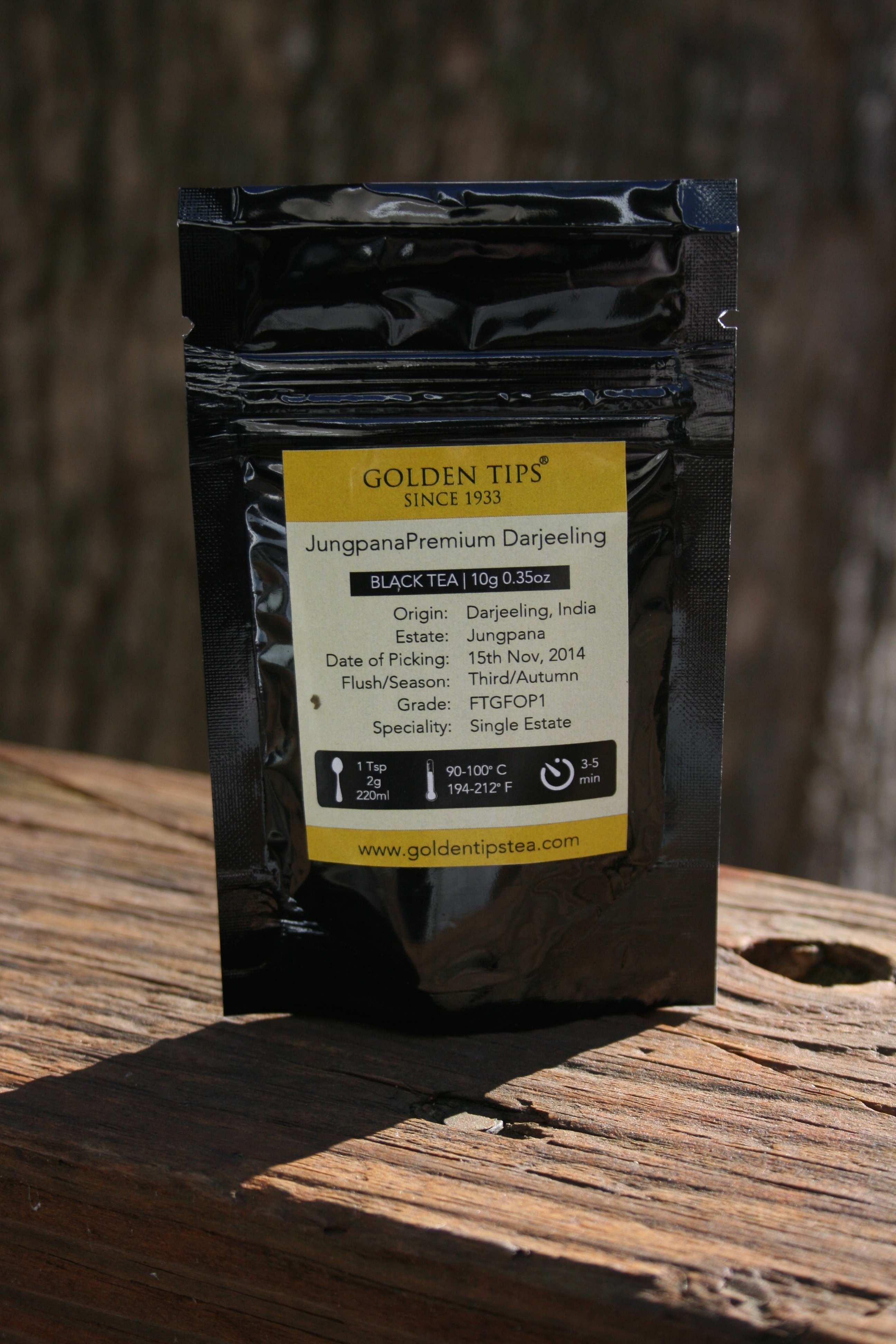
One of the first things I noticed is the clarity of the packaging information.
It includes origin, estate, harvest date, flush, grade, and brewing instructions.
It also provides water temperature and steeping time.
This level of detail is helpful for anyone brewing loose leaf tea.
It shows a clear focus on quality and precision.
What Is a Tea Estate in Darjeeling?
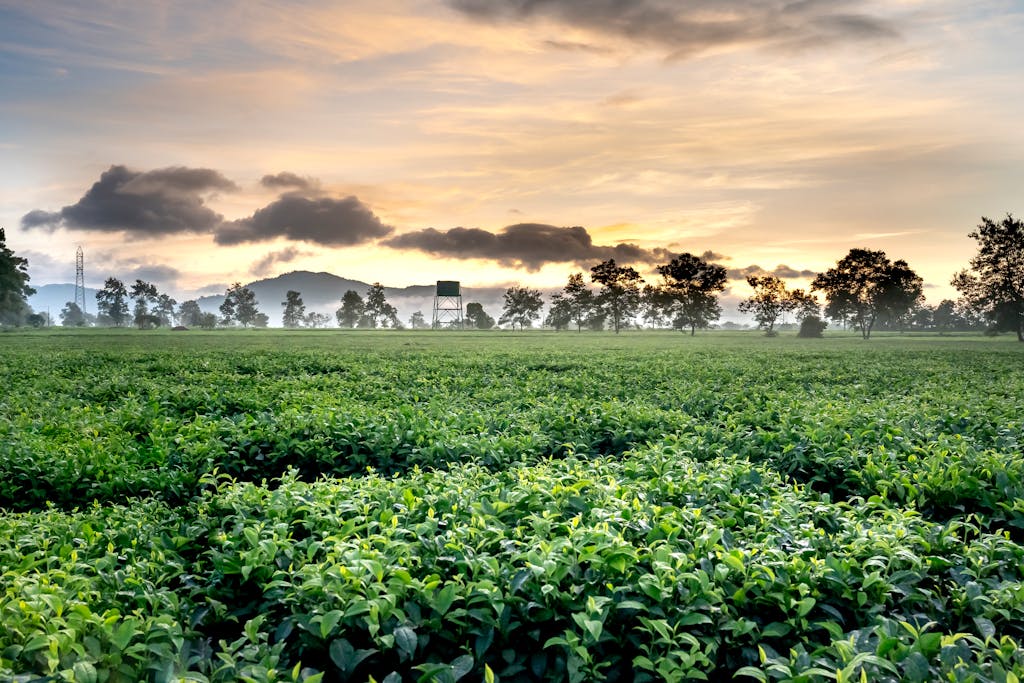
A tea estate is a tea garden where leaves are grown and harvested.
Darjeeling is a tea-growing region in India.
It is similar in concept to Champagne in France.
Just like Champagne, Darjeeling is both a region and a protected designation.
Each estate produces teas with unique characteristics.
Jungpana is one of these estates.
It is located in the Kurseong hills and covers around 77 acres.
The estate was established in 1899 by British planter Henry Montgomery Lennox.
Over time, ownership changed, and it became part of India’s established tea industry.
Jungpana is known for producing high-quality Darjeeling tea.
Its location and climate contribute to a distinctive flavor profile often described as muscatel.
Muscatel refers to a fruity, floral, and slightly wine-like aroma.
What Does FTGFOP1 Mean?
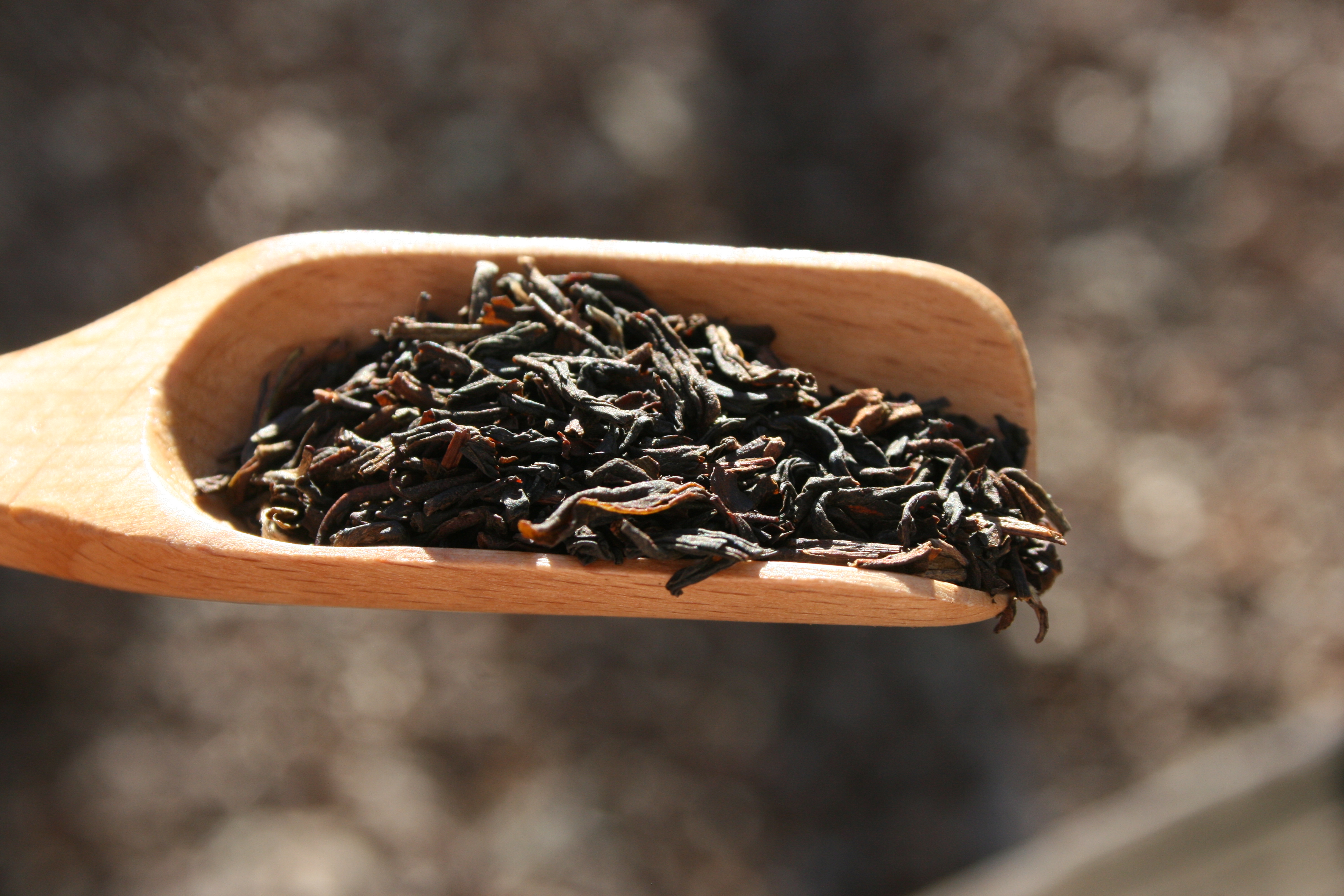
FTGFOP1 is a tea grading system used in India.
It stands for Finest Tippy Golden Flowery Orange Pekoe 1.
You can read more about tea grading terms in my glossary.
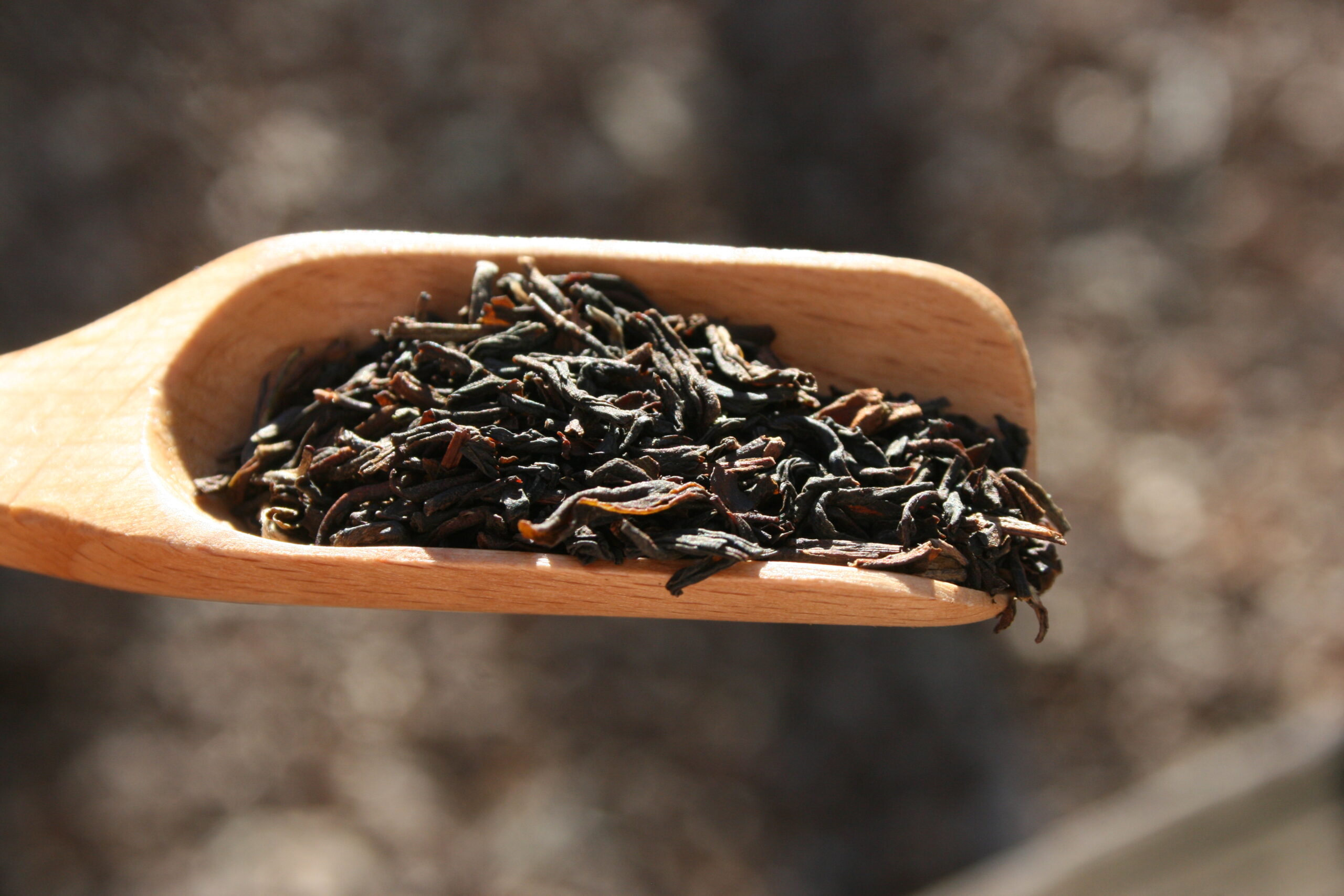
This grade indicates a high-quality whole leaf tea.
It includes young leaves and buds.
Unlike tea bags, which often contain broken leaves or dust,
this grade preserves the structure of the leaf.
Whole leaf teas tend to produce a more complex and layered infusion.
Autumn Flush Darjeeling Tea Characteristics
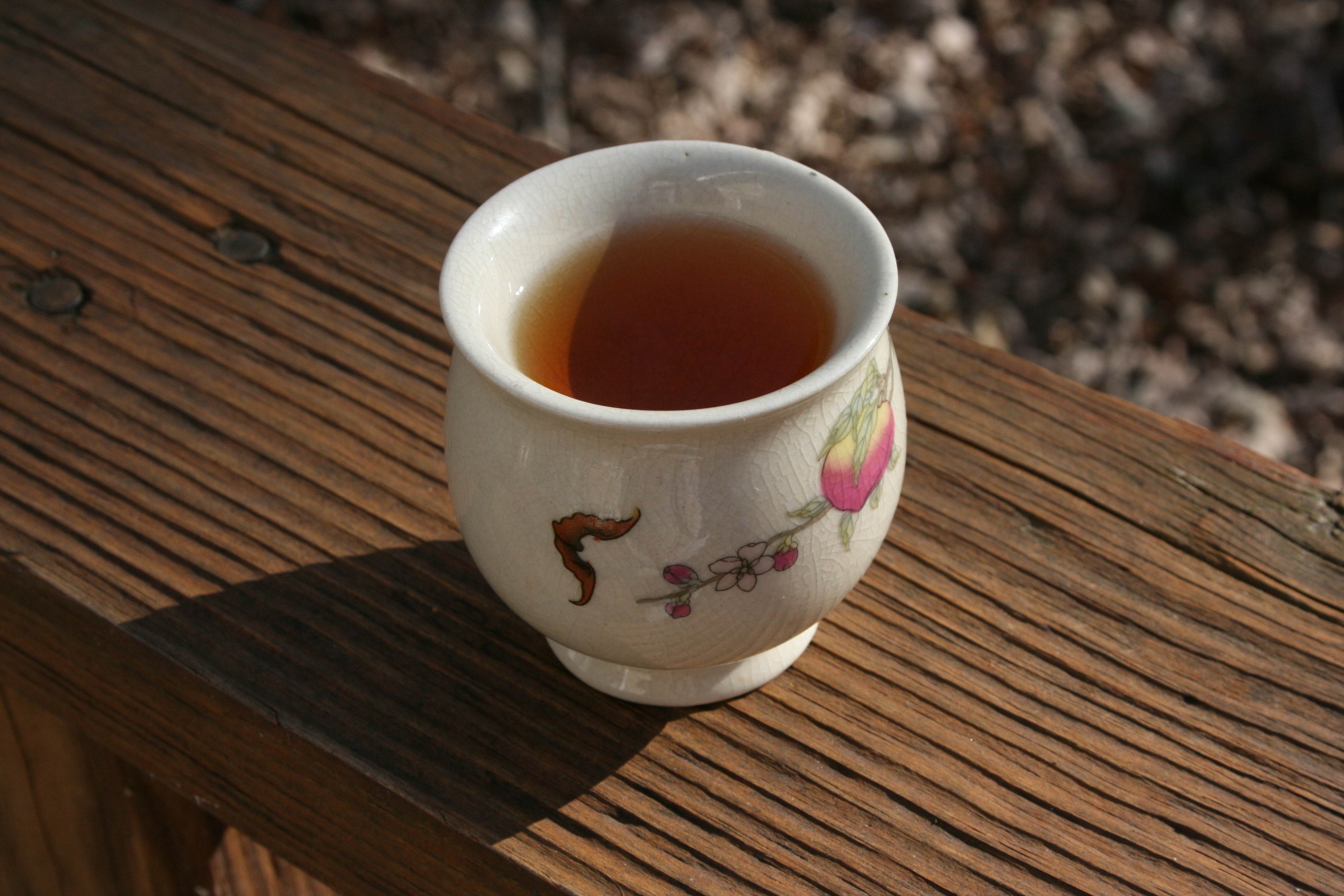
This tea is an Autumn Flush Darjeeling.
Darjeeling teas are typically harvested in multiple “flushes” throughout the year.
The Autumn Flush occurs after the monsoon season.
It is usually the third harvest of the year.
Autumn Flush teas tend to have a fuller body.
They are less floral than spring teas.
They often produce a darker liquor and a smoother, rounder taste.
This makes them well-suited for those who prefer a more structured cup.
Tasting Profile
Jungpana Darjeeling tea has a light and floral aroma.
The first infusion is soft and slightly fruity.
The second infusion becomes more floral and rounded.
The tea has a clean finish and a delicate structure.
It is not overpowering.
Instead, it develops gently over multiple steepings.
This is typical of high-quality Darjeeling teas.
Final Thoughts
Jungpana is a well-regarded Darjeeling estate.
This tea reflects the characteristics associated with high-grade production.
It is a good example of an Autumn Flush Darjeeling tea.
It highlights both floral and fruity notes in a balanced way.
Golden Tips provides clear brewing guidance, which is helpful for beginners and experienced tea drinkers.
This review is based on personal tasting notes and independent research.
It is not sponsored.
Read next
- Arya Ruby Darjeeling — a rare second flush
- Bailin Gongfu black tea — with gongfu brewing tips
- Where to buy loose tea online — 24 shops, organized by specialty
New here? Start Here for the shortest path through the blog.