Butter Tea Around the World: From Tibetan Po Cha to Kalmyk Jomba
Tea with butter and salt, from Tibet and Bhutan to Ladakh, Mongolia and Kalmykia in Russia: what each place calls it and how to make it at home.

The reference side of Humble Tea Leaf: tea history, culture, herbal traditions, and how-to guides. Start here if you want to understand what’s in your cup and where it came from.
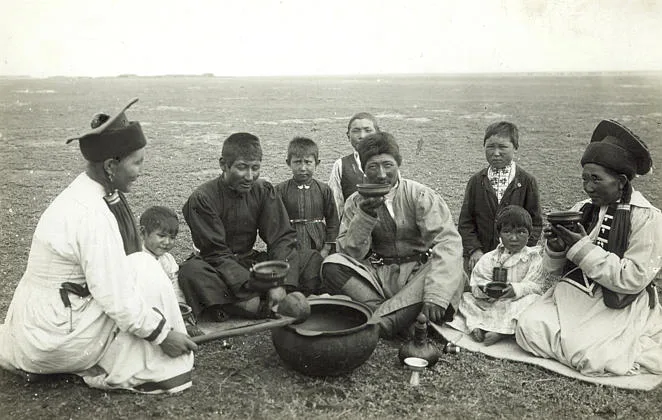
Tea with butter and salt, from Tibet and Bhutan to Ladakh, Mongolia and Kalmykia in Russia: what each place calls it and how to make it at home.
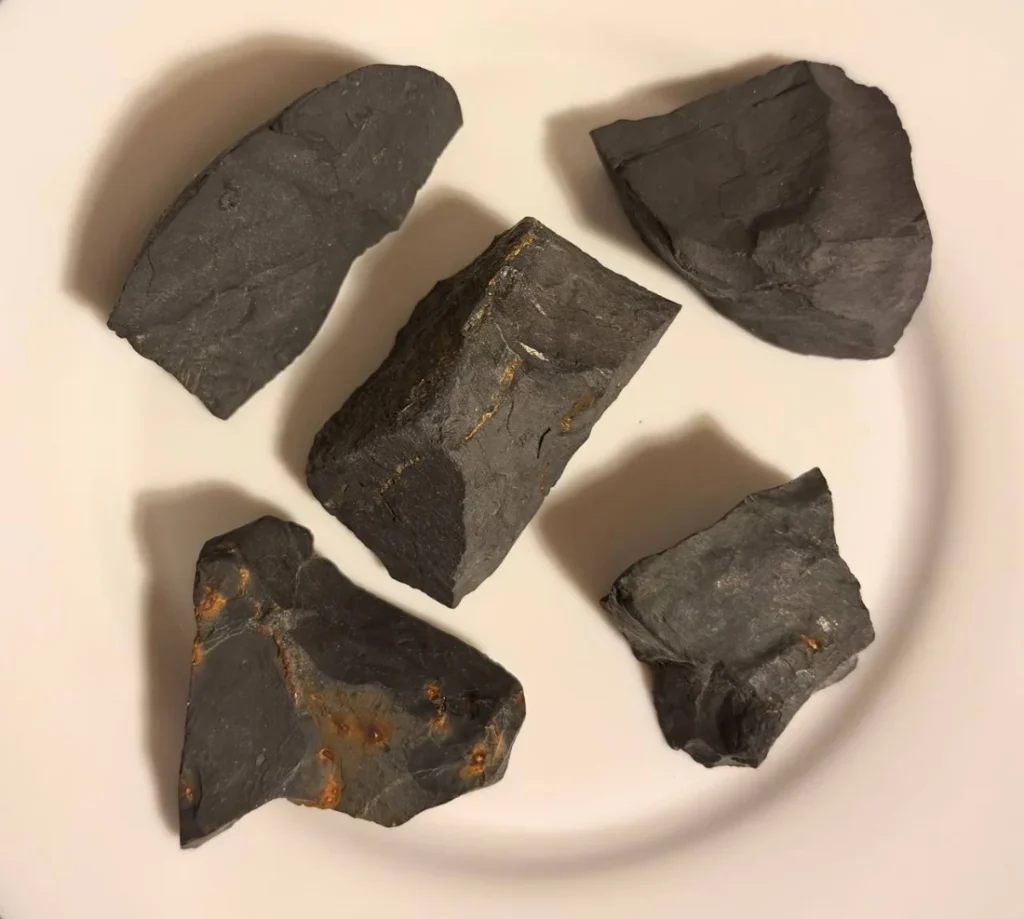
The story of shungite, the black stone from Karelia that I keep in my water pitcher, and how I use it for all my tea brewing.
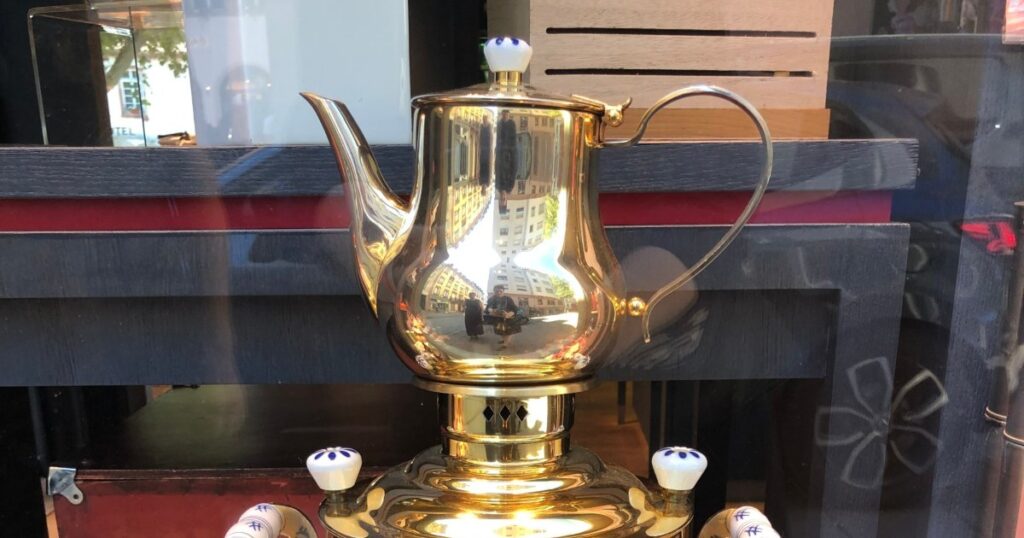
A gold samovar, Strasbourg’s own Thé de la Cathédrale, and France’s oldest tea house: a window-shopping stop at Dammann Frères in Strasbourg.
Small tea gifts that get used: teas with a story, simple tools, a few bigger treats and the free part of the gift.
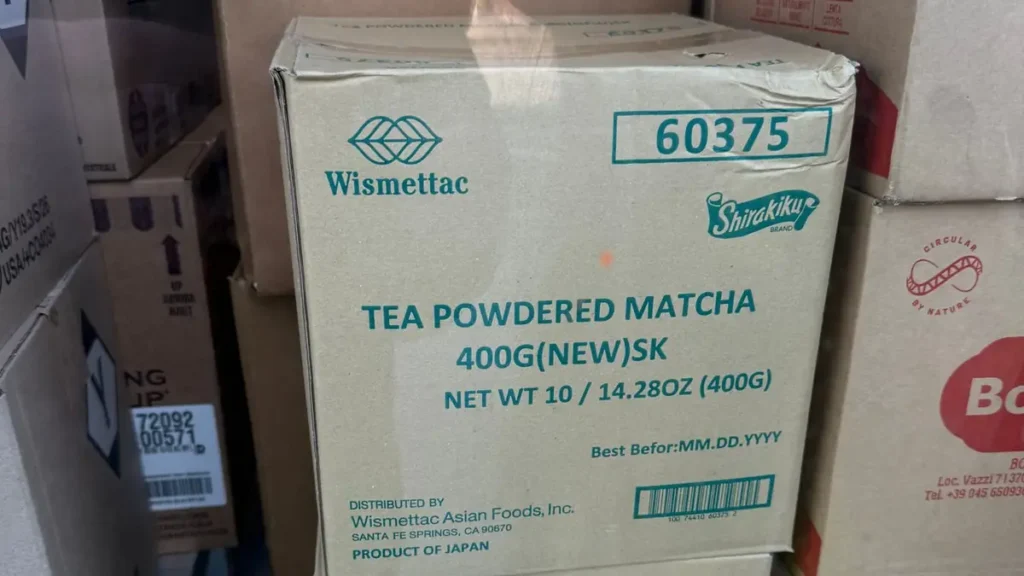
The best matcha alternatives in the 2026 shortage: autumn bancha, hojicha and Kagoshima sencha, at 50 cents to $1.60 a cup. Taste, brewing and where to buy.
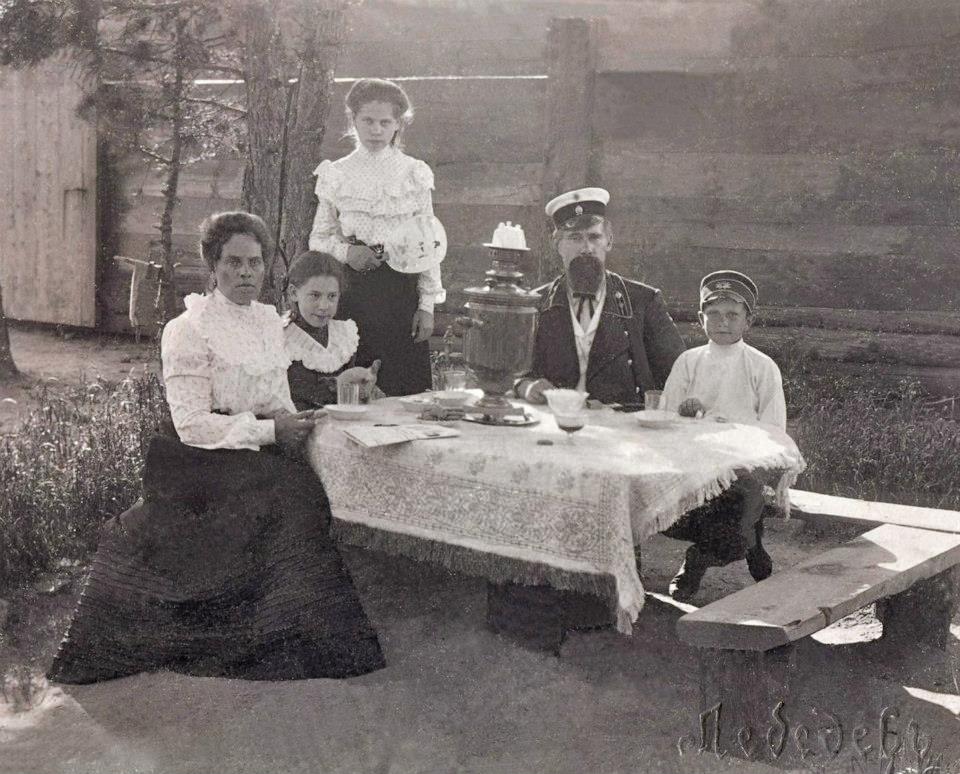
Discover Russian tea antiques such as samovars and silver tea ware that were part of Russian culture and tea tradition.
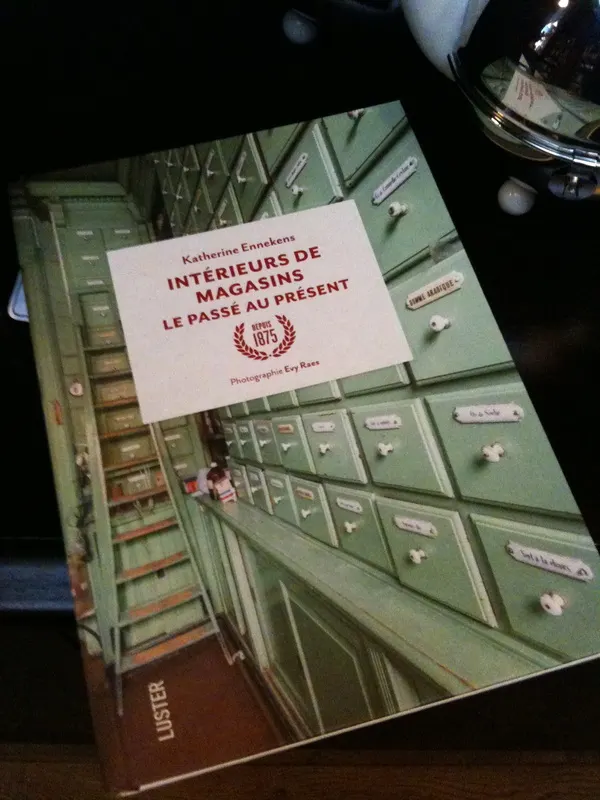
Discover Le Comptoir Florian (La Maison du Thé) in Brussels; a charming, old-world Belgian tea house full of thoughtful teas.

Discover the hidden story of Taiwan high mountain oolong (gaoshancha), from its 1980s rise to today’s greener tea trends.
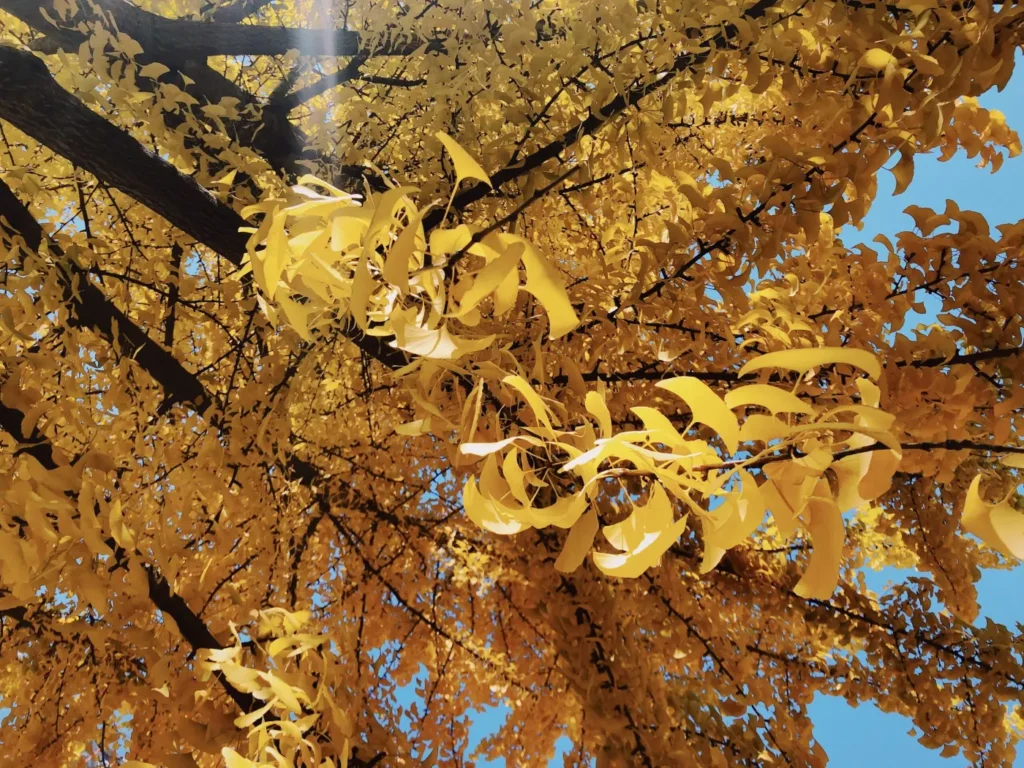
Discover ginkgo leaf benefits, from ancient Chinese medicine to modern research on mood, memory, and overall wellness.
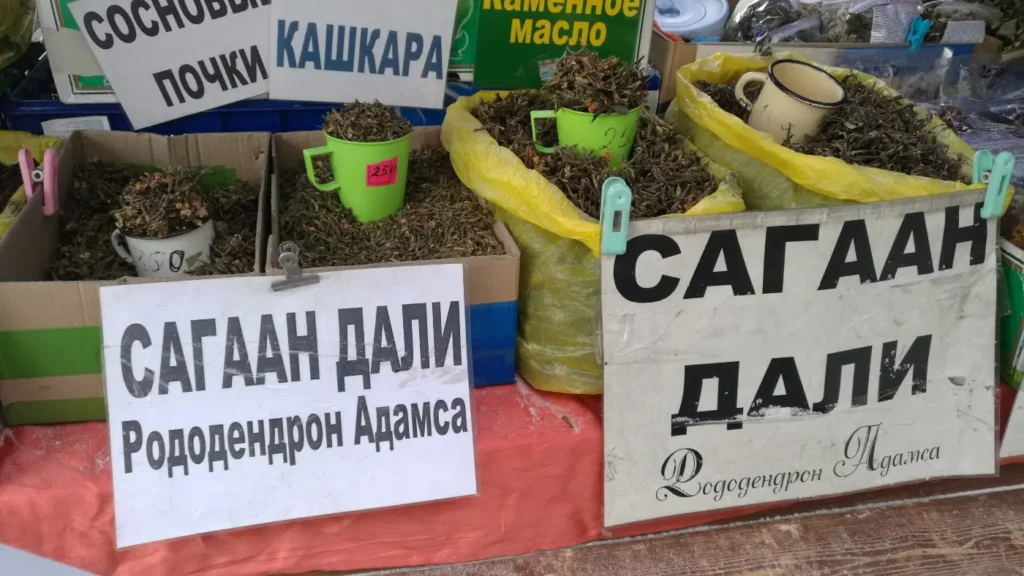
Sagan Dalya is a Siberian rhododendron tea drunk in Buryatia as a tonic. What it tastes like, how to brew it, where to buy it, and the safety limits.
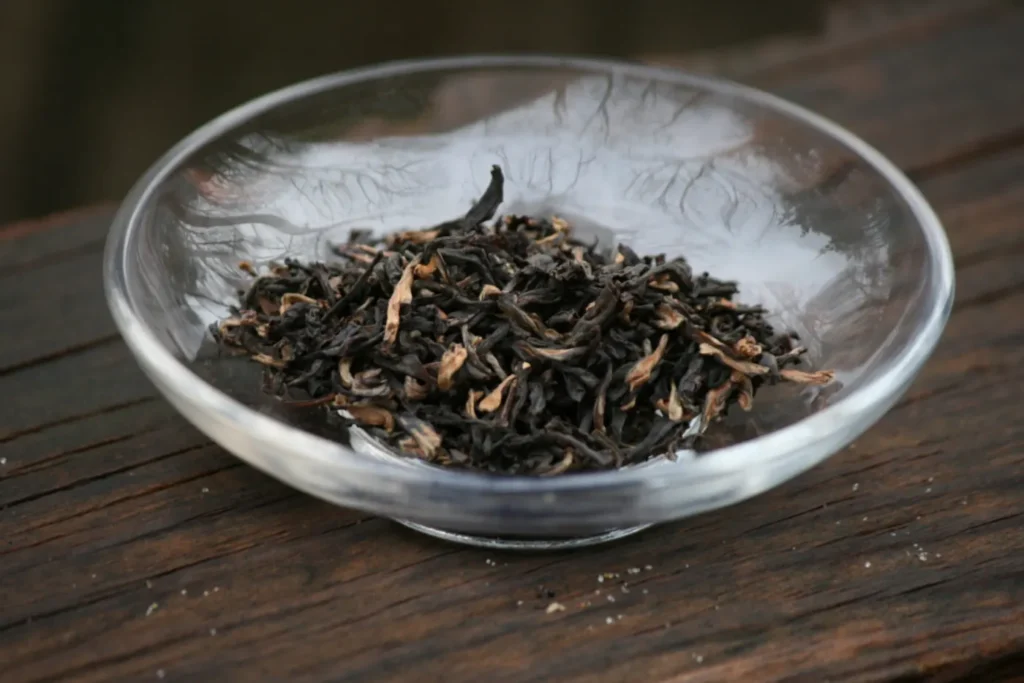
Tea is a powerful tool for promoting health and wellness. Incorporating tea into your daily routine can provide numerous benefits, from reducing stress to aiding in weight management. In this post, we explore five ways that tea can boost your health based on personal experience and scientific research. Read on to learn more.
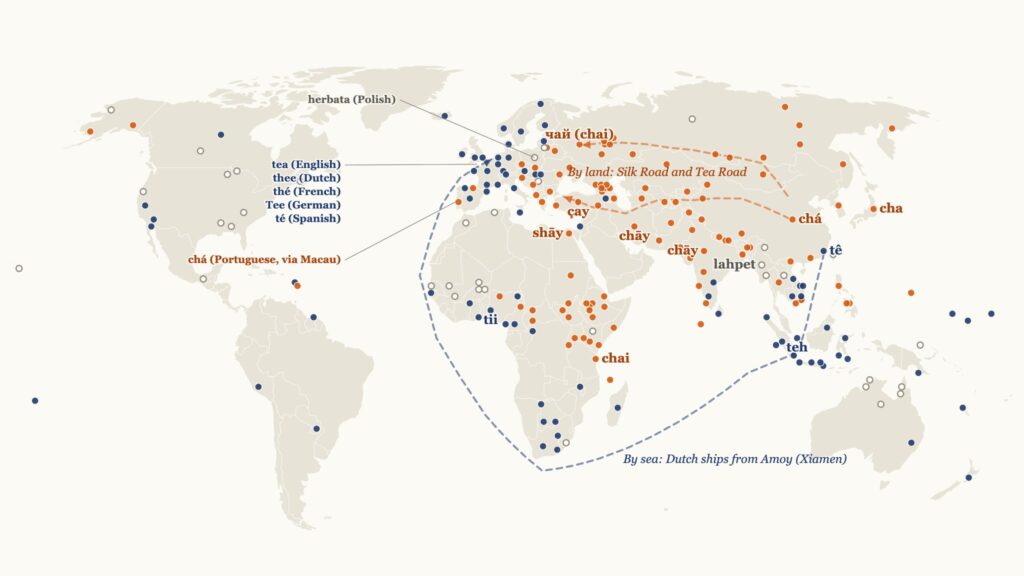
First published September 2018. Updated October 2026 with a new map, the story behind each word, the exceptions, and books for going further. Tea and cha are the same word. Both come from the Chinese character 茶, which is pronounced te in the Min Nan dialect of coastal Fujian and cha in Mandarin and Cantonese….
The Humble Tea Leaf letter
Tea, outside the mainstream
New posts, what I’m steeping, and the shops worth the trip. Free, unsubscribe anytime.