Matcha Latte with Vanilla and Lavender at Bread Savage, Visalia
A hand-whisked matcha latte with vanilla and lavender at Bread Savage in downtown Visalia, and a reminder of Nohohon, my friend’s closed NYC matcha shop.


A hand-whisked matcha latte with vanilla and lavender at Bread Savage in downtown Visalia, and a reminder of Nohohon, my friend’s closed NYC matcha shop.
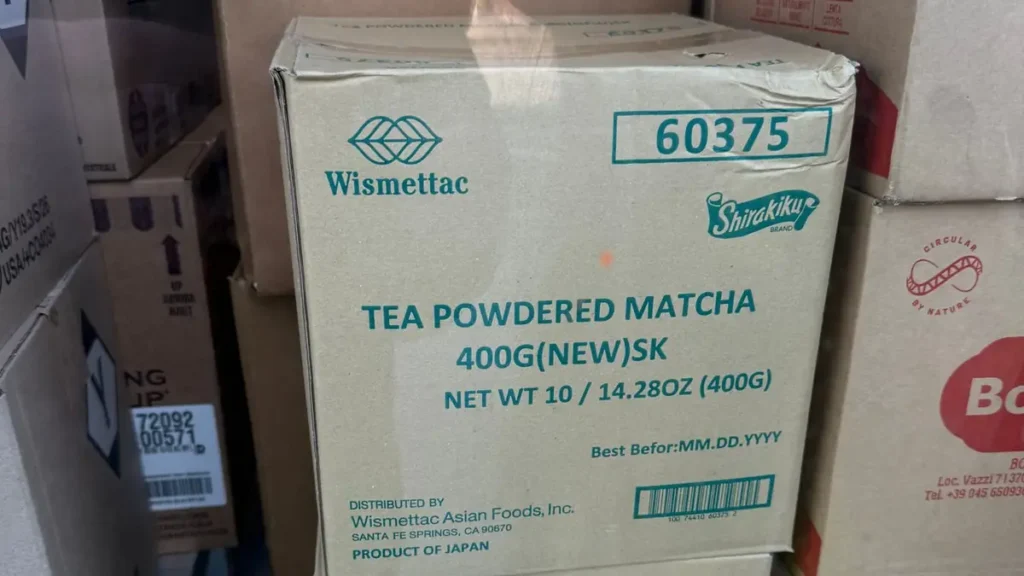
The best matcha alternatives in the 2026 shortage: autumn bancha, hojicha and Kagoshima sencha, at 50 cents to $1.60 a cup. Taste, brewing and where to buy.
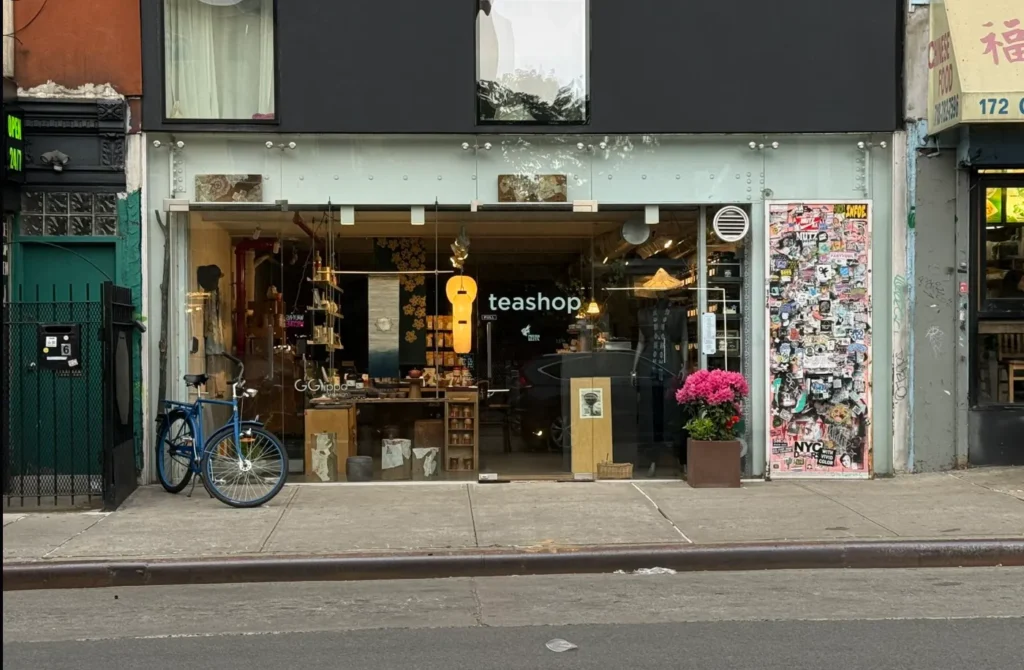
A spontaneous stop in Williamsburg led me to discover Puerh Brooklyn, a calm and thoughtfully curated tea shop with an excellent puerh and maté selection.
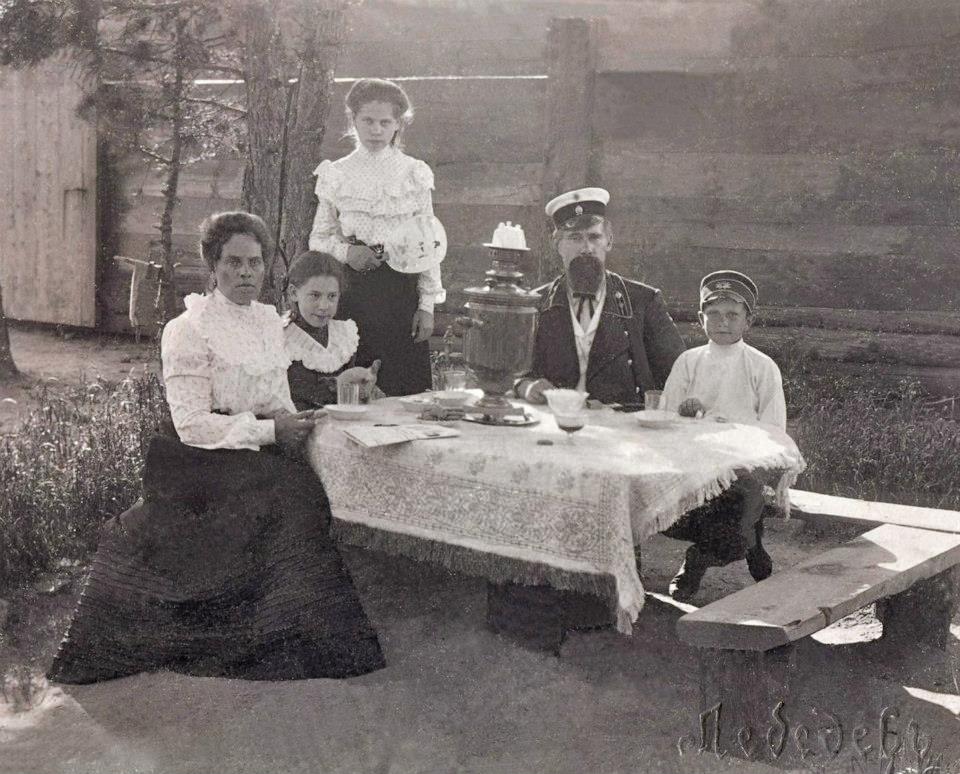
Discover Russian tea antiques such as samovars and silver tea ware that were part of Russian culture and tea tradition.
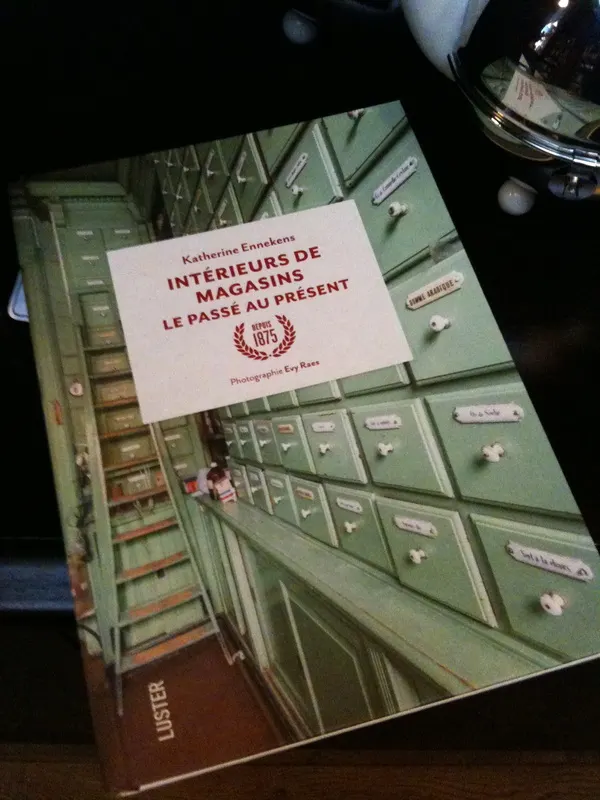
Discover Le Comptoir Florian (La Maison du Thé) in Brussels; a charming, old-world Belgian tea house full of thoughtful teas.

Discover the hidden story of Taiwan high mountain oolong (gaoshancha), from its 1980s rise to today’s greener tea trends.
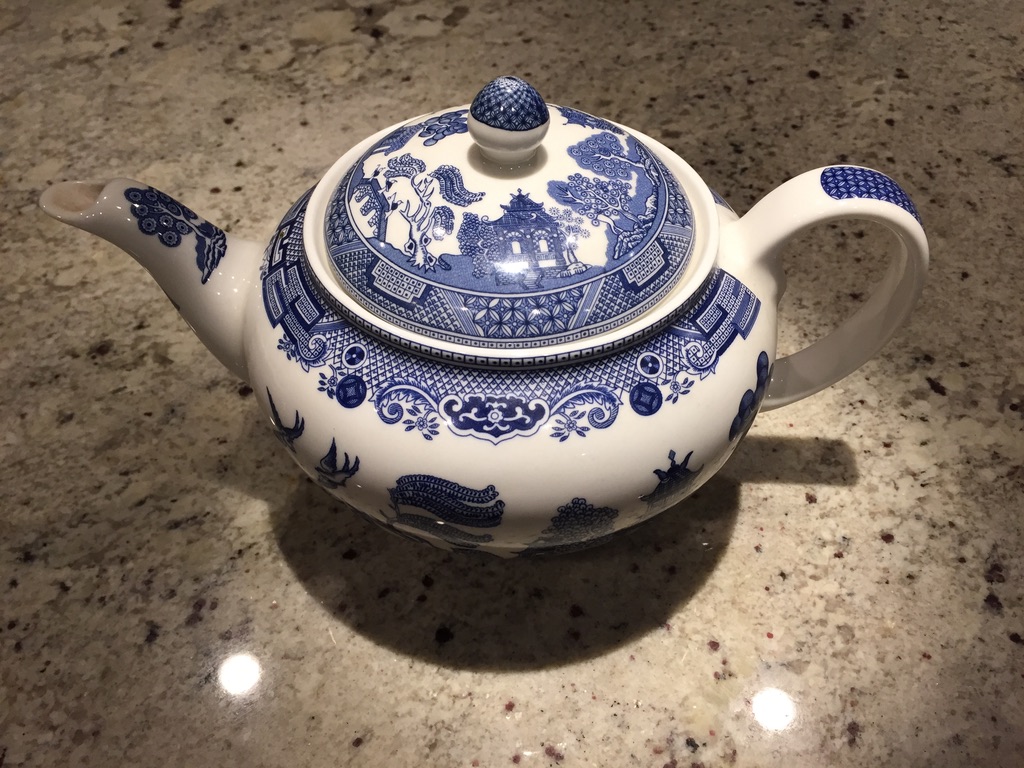
Immerse yourself in New York City’s tea and dim sum culture, where traditional steamer baskets of bite-sized portions and refreshing cups of tea come together in a communal dining experience.
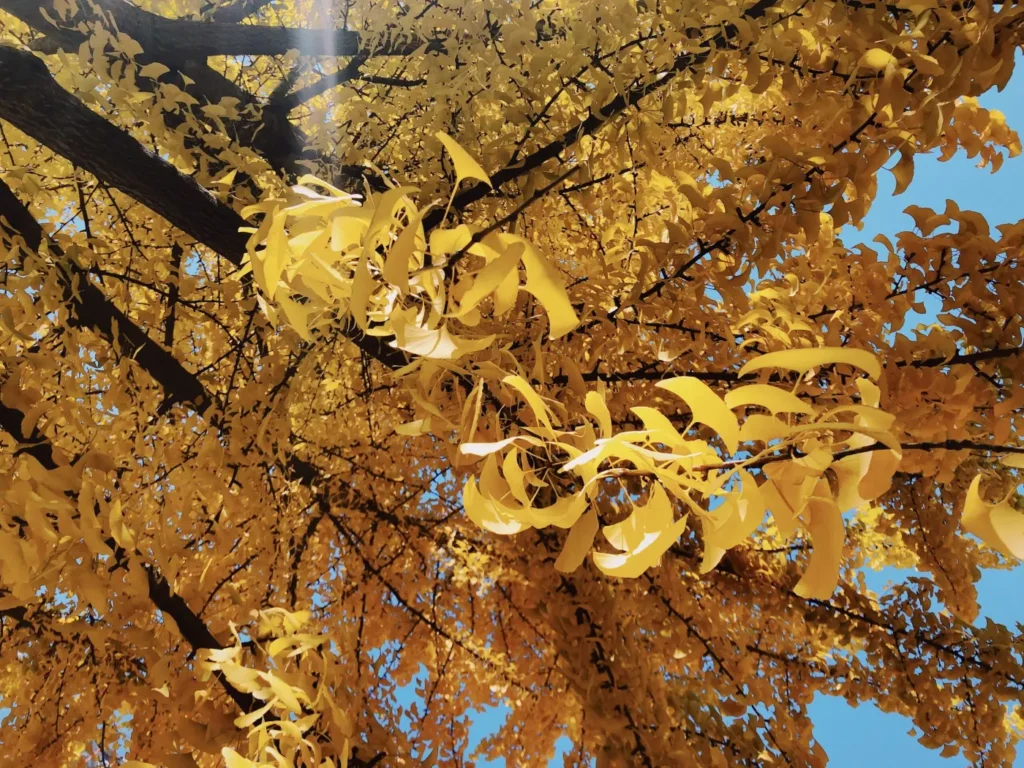
Discover ginkgo leaf benefits, from ancient Chinese medicine to modern research on mood, memory, and overall wellness.
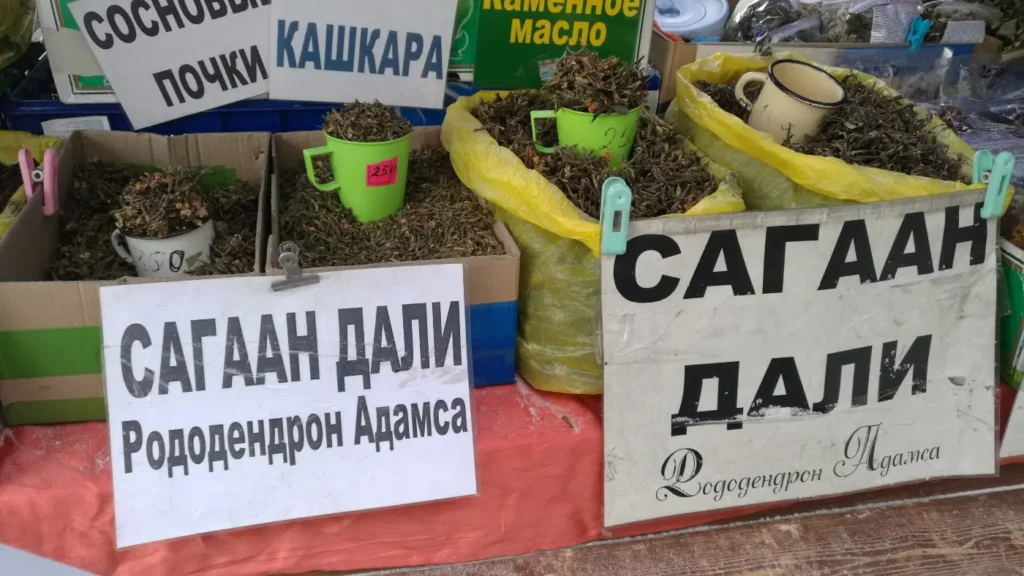
Sagan Dalya is a Siberian rhododendron tea drunk in Buryatia as a tonic. What it tastes like, how to brew it, where to buy it, and the safety limits.
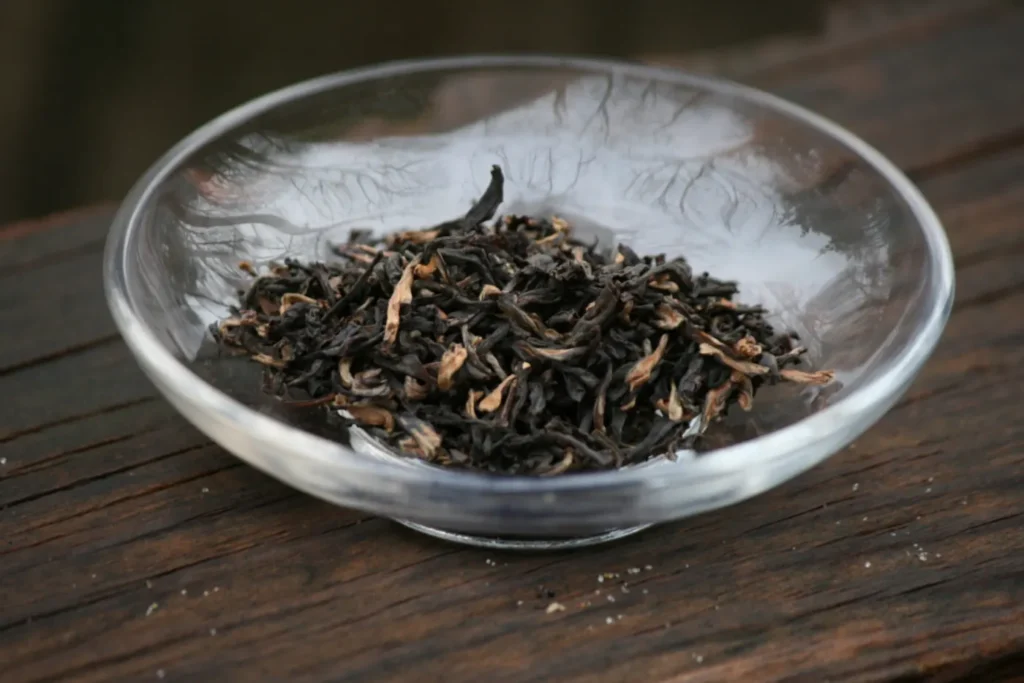
Tea is a powerful tool for promoting health and wellness. Incorporating tea into your daily routine can provide numerous benefits, from reducing stress to aiding in weight management. In this post, we explore five ways that tea can boost your health based on personal experience and scientific research. Read on to learn more.
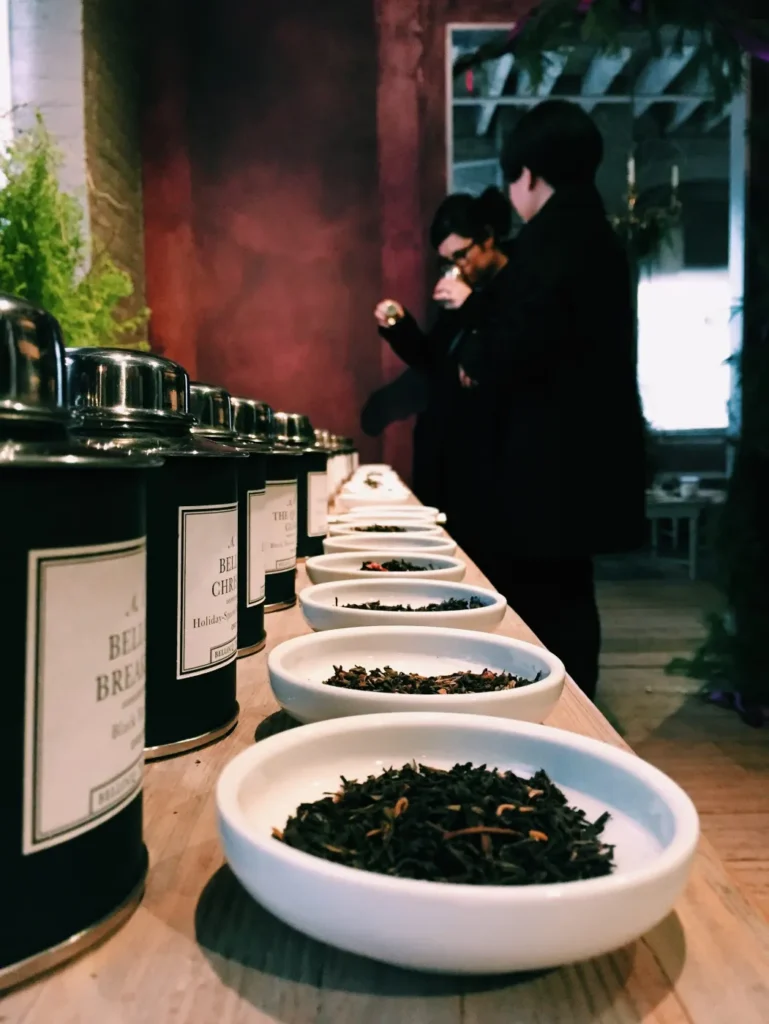
New York City is known for its vibrant and diverse food and drink scene. While coffee shops and bars are abundant, tea lovers also have plenty of options to choose from. Here are some of the best places in NYC for tea lovers based on reviews.
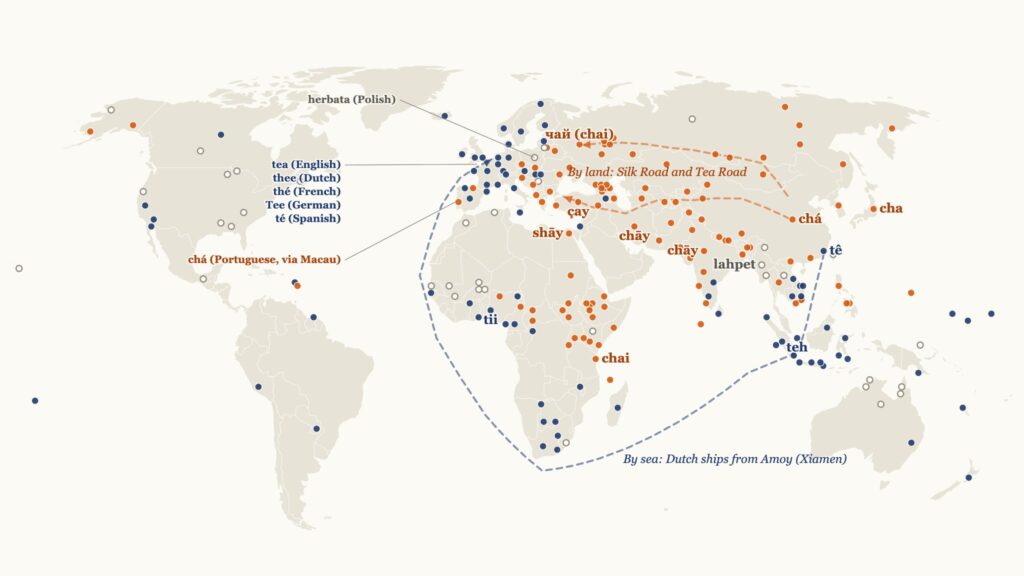
First published September 2018. Updated October 2026 with a new map, the story behind each word, the exceptions, and books for going further. Tea and cha are the same word. Both come from the Chinese character 茶, which is pronounced te in the Min Nan dialect of coastal Fujian and cha in Mandarin and Cantonese….
The Humble Tea Leaf letter
Tea, outside the mainstream, once a month
New posts, what I’m steeping, and the shops worth the trip. Free, unsubscribe anytime.