Things you should know about Matcha
Ever wondered why Matcha is the new “it beverage ”?
The new “it beverage” you’ve seen as shots, lattes or delicious pastries…
Why is matcha so popular?
So, why is it so popular? My personal answer is: “It’s bitter, and it’s sweet, just the way life is” 😉 …also, it’s healthy, gives you a caffeine kick and doesn’t make you crash the way coffee does, at least not me!
Not all matcha is equal
Not all Matcha is equal, when it comes to the taste, the quality of even the experience.
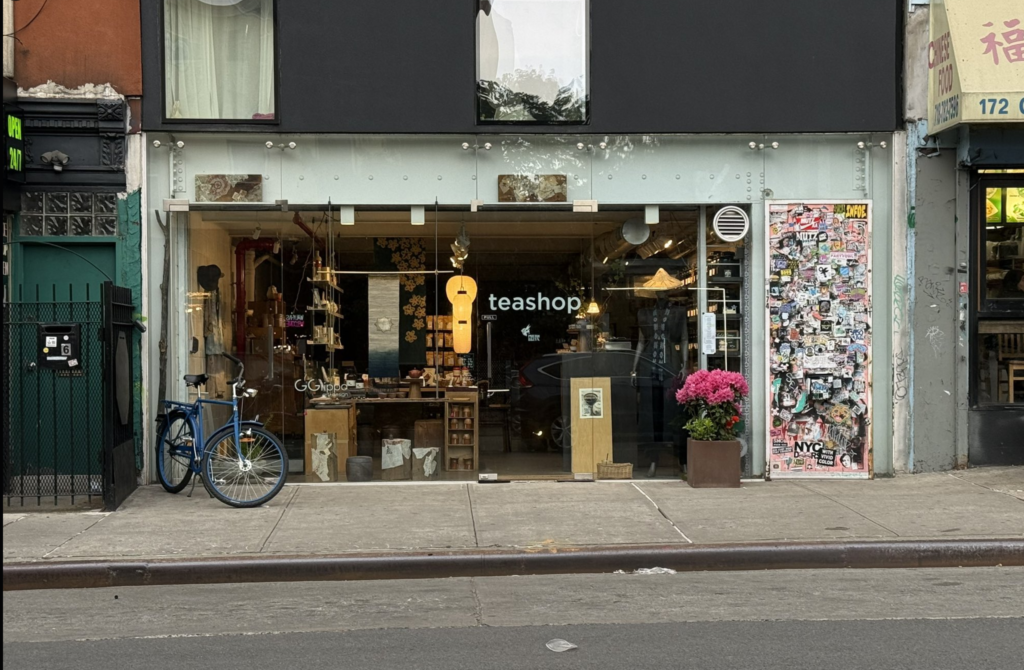
Recently a couple new places popped up in the city, such as Matcha Bar, Cha Cha Matcha, Chalait, Matcha Cafe Wabi, Ippodo or even the newest one: Nohohon, serving Matcha Bubble teas. That’s just a couple places in NYC alone…you’ll find countless matcha infused desserts all over K-Town and Chinatown, from sponge cakes at the Kam Hing Coffee Shop (these are worth trying) to puddings, or my favorite Matcha Lava cake at Spot Dessert Bar. I am definitely a matcha addict and I make it at home very often, if not every day when I am having a “matcha phase”.
When it comes to Matcha consumed as a beverage quality is super important as you consume the whole tea leaves traditionally grounded in a stone mill. As it is often the case for quality in other things, it comes also at a cost. So don’t be surprised if you’re looking to buy some and the price turns you away + you’ll need a matcha bowl, a tea whisk and if you really want to do it right: a bamboo chashaku matcha spoon. Several of the shops in my guide to buying authentic Japanese matcha online also sell these tools.
How to tell good matcha from bad
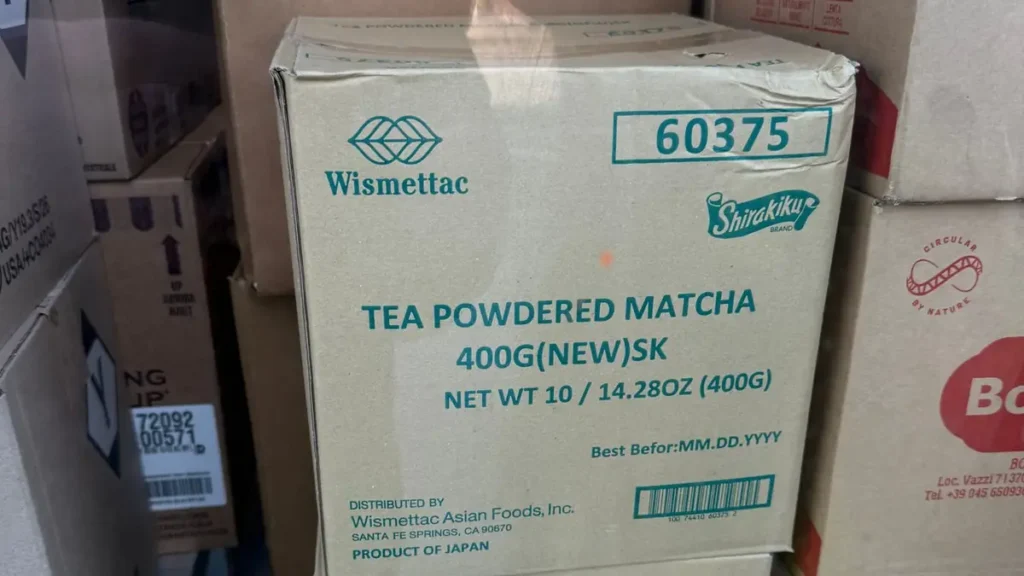
I purchased and tried several types of matcha from different stores in New York City and most of the ones I found (even at Japanese stores) are mediocre to say the least, also you have to consume it super fast because as soon as you open the tins, it loses its taste and freshness very quickly. Most matcha you find in NYC is basically food grade even if it says “ceremonial”. Meaning it’s good enough for cooking but for drinking it’s average…
In other words, high quality, fresh, pure matcha is expensive but worth looking for. A low price tag can be a red flag for a poor quality product. For example, lead is absorbed by the tea plant from the environment, particularly tea grown in China. Even if the label says “made in Japan” the tea leaves in a cheaper matcha product might have been grown in China, for example, then later exported to Japan where it’s processed into a fine powder. Because the process of transforming the Chinese tea leaves is done in Japan, the final product would carry the“Made in Japan” label. Also, there is a difference in the shade-grown tea leaves meant to become finely grounded matcha and ordinary tea leaves later grounded but technically not matcha but sold as, for food grade matcha for example. Basically, anything can be named“matcha” so beware, most drinks you’ll find in Starbucks or other powdered “matcha lattes”are just surfing the trendy wave and contain tons of sugar to hide their mediocrity , so avoid!
Where to buy high-quality matcha in NYC
The Matcha I would recommend buying is one directly imported from green tea farmers in Japan, experts in producing the best quality. (Inspected for lead, unregistered pesticides, types of fertilizers used, any impure substances used in the water etc.).
When I wrote this, a small tea room imported and sold such matcha: Nohohon Tea Room in St Marks, New York City.
Update 2026: Nohohon has since closed, as have Ippodo’s New York shop and Matcha Cafe Wabi. For where to buy good matcha now, see my guide to buying authentic Japanese matcha online; for cafés, see where I’ve tried matcha in New York City.
Lu Ann from The Cup of Life published a list of Matcha Brands worth it.

Read next
- Where to buy authentic Japanese matcha — online retailers worth trusting
- Matcha in NYC — ten years of tasting matcha across the city
- Where to buy loose tea online — 24 shops, organized by specialty
New here? Start Here for the shortest path through the blog.