Matcha Alternatives: Affordable Japanese Green Teas for the 2026 Matcha Shortage
Short answer: the best matcha alternatives in the 2026 matcha shortage are autumn bancha, hojicha and Kagoshima sencha. These affordable Japanese green teas come from the same bushes and farms as matcha, cost roughly 50 cents to $1.60 a cup at home against about $2.50 for a bowl of good matcha, and two of them are naturally low in caffeine.
Why is matcha so expensive right now?
Matcha is ground from tencha, a shaded leaf that only some farms and factories can make (I explain the basics in Things you should know about matcha), and the world wants far more of it than Japan grows. At the 2026 spring auctions, tencha averaged ¥13,972 per kilogram at the Kyoto opening market, about 1.7 times the previous record, and ¥13,910 in Kagoshima, about 2.3 times the year before (Rikyu Matcha, auction summary). Retail followed: some 20-gram tins have doubled in price within months, and café menus have followed (my review of matcha places in New York City tracks how the scene has changed).
There is a knock-on effect. Farmers are converting sencha fields to tencha, so everyday Japanese green tea is also scarcer and dearer than it was (One With Tea; The Nation). “Affordable” in 2026 means affordable next to matcha, not cheap. Still, the gap per cup is wide, and these teas deserve attention for their own sake.
The best matcha alternatives at a glance
| Tea | Pick | Price | About per cup |
|---|---|---|---|
| Autumn bancha | Tea Runners Bancha (organic, Kagoshima) | $14.50 / 85 g | $0.50 (3 g a cup), less if re-steeped |
| Hojicha | Ippodo Hojicha (Kyoto) | $16 / 100 g | $1.60 a pot (10 g), about $0.65 a mug (4 g) |
| Kagoshima sencha | Upton Kagoshima Kabuse Sencha | $27.75 / 125 g | $0.50 (Upton’s own figure) |
| For comparison: matcha | Ippodo Sayaka | $50 / 40 g | $2.50 a bowl (2 g) |
What is autumn bancha?
Bancha means “common tea”: the larger, later leaves picked after the prized spring sencha. Akibancha, autumn bancha, is the last picking of the year, usually from late September to mid-October (Japanese Tea Pedia), so right now is its season. The cup is pale gold, mellow and a little toasty, with less of sencha’s grassy bite and roughly half its caffeine. It is the tea Japanese families keep in a big tin by the kettle and drink with meals.
The Tea Runners bancha is organic, grown in Kagoshima and picked in autumn. It is forgiving: use about 3 g (a heaped teaspoon) for 250 ml of water just off the boil, steep 1 to 2 minutes, and steep the same leaves again. It also makes a very good cold brew in the fridge overnight.
Is hojicha a good matcha substitute?
Hojicha is bancha (often with stems) roasted over high heat until it turns brown. Roasting gives it a toasty, caramel and cocoa-like aroma and takes away bitterness and much of the caffeine, which makes it the Japanese evening tea. It is not a flavour copy of matcha, but it fills the same place in a day: a comforting cup on its own, or a latte. Ippodo makes its hojicha latte with 15 g of leaf steeped in 200 ml of boiling water for a minute or more, then milk to taste. That is about $2.40 of tea per latte, a fraction of a café price.
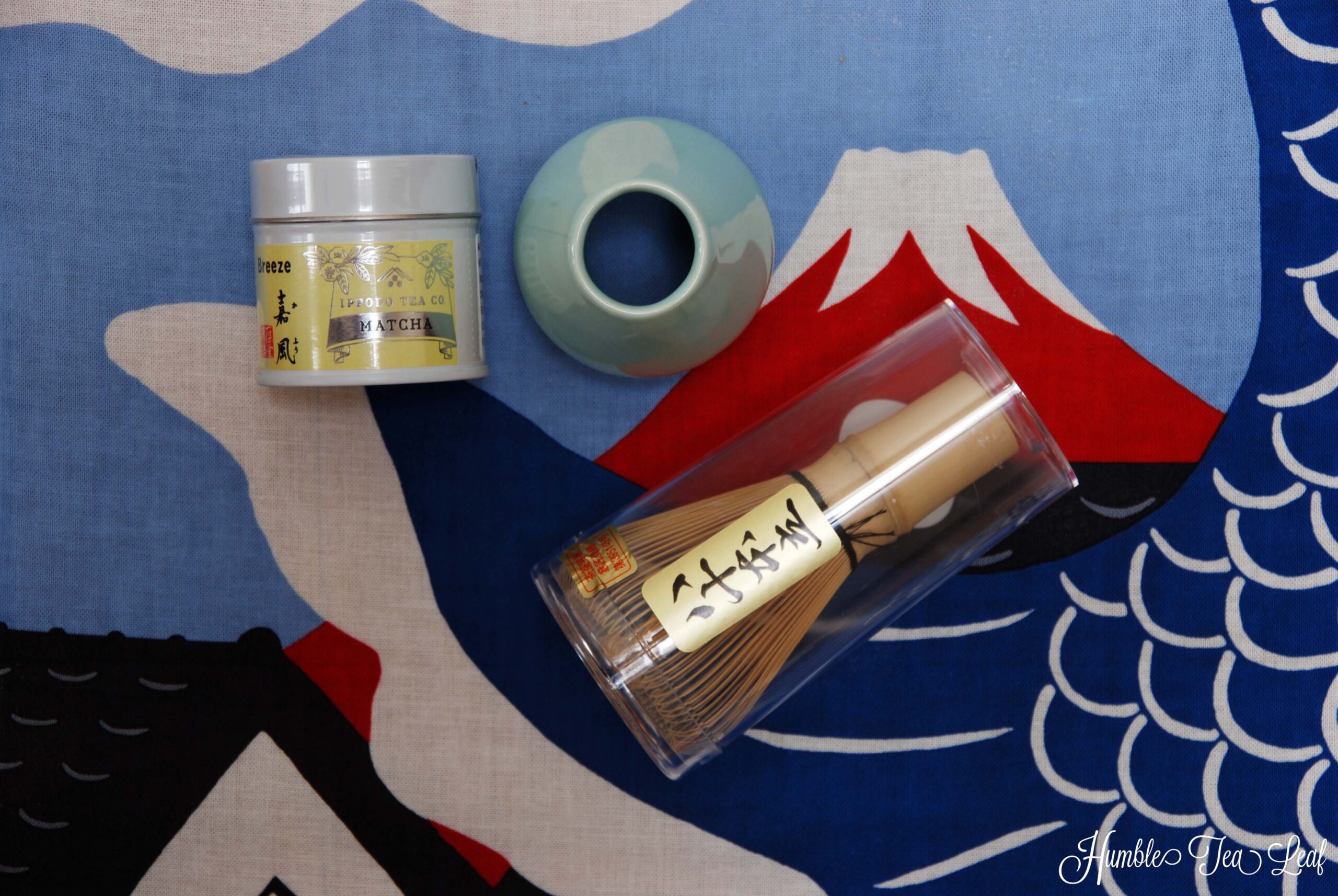
For a plain cup, Ippodo’s own recipe is 10 g of leaf, 240 ml of boiling water, 30 seconds. Hojicha is the one Japanese green tea you brew with fully boiling water, so it is hard to get wrong. I already order my matcha from Ippodo, the Kyoto tea house I mention in my guide to buying authentic matcha online (I use its whisk and whisk stand) and in my NYC matcha review, so its hojicha was an easy pick.
Why choose Kagoshima sencha?
Kagoshima, at the southern tip of Kyushu, is now Japan’s largest tea region: it produced 27,000 tonnes in 2024 against Shizuoka’s 25,800 (Global Japanese Tea Association). Its fields are flat and mechanised, which keeps prices lower than for the steep hillside teas of Shizuoka or Uji, and the warm climate gives an early, sweet, rounded leaf. For a Shizuoka comparison, see my notes on Kawanecha Meicha by Mariage Frères; for sencha in a can, my ITO EN Sencha Shot review.
For someone who loves matcha’s savoury depth, a kabuse (lightly shaded) sencha is the closest loose-leaf match. Shading is what gives matcha its umami, and kabusecha gets a shorter version of it. Upton’s Kagoshima Kabuse Sencha is made from the Okumidori cultivar and shaded for two to three weeks before picking. Brew it cooler than the other two: 2.25 g for a 6 oz cup, 170°F (77°C), 2 minutes.
How to spot “matcha” that isn’t
When matcha is scarce, cheap powders fill the shelf. Some are ground from unshaded autumn leaf or ordinary sencha (d:matcha, April 2026), and powdered sencha has been sold as matcha in Japan itself. These are fine for baking, but they are not a bargain matcha. If you want real matcha, buy from a shop that names its grower or region; my list of where to buy authentic Japanese matcha online is a starting point. If you want a cheaper daily green, a good bancha, hojicha or sencha is honest about what it is.
Value picks or premium matcha?
I have written about matcha on this blog for years, from what to know before you buy it to the NYC cafés where I tried it, and good matcha is still worth a splurge. But I would like to know what you want more of here: everyday teas that cost under a dollar a cup, or honest reviews of premium matcha that is now very expensive. Tell me in the comments.
Frequently asked questions
For a latte, hojicha: it is roasted, low in caffeine and makes a rich milk drink. For savoury, umami flavour in a plain cup, a kabuse (lightly shaded) sencha from Kagoshima is the closest loose-leaf match.
Yes for the top grades. Spring 2026 tencha prices set records in both Kyoto and Kagoshima, and most of the trade expects prices to stay high rather than fall back. Lower café grades are easier to find but have also risen.
Hojicha and autumn bancha. Both are made from mature leaves, which carry less caffeine than young spring shoots, and roasting lowers hojicha’s further. Kabuse sencha, from spring leaves, has more.
Yes. Steep a strong pot (about 15 g in 200 ml of boiling water for a minute or more) and add warm or cold milk. Hojicha powder also exists and whisks like matcha.
They are a different style, not a failed sencha. Bancha uses larger, later leaves and costs less, but a carefully made bancha or hojicha is a better cup than a poor sencha.
Read next
- Things you should know about matcha — quality, caffeine and what to look for
- Where to buy authentic Japanese matcha online — my current list of shops
- Places where I tried matcha in NYC — ten years of cafés
New here? Start Here for the shortest path through the blog.